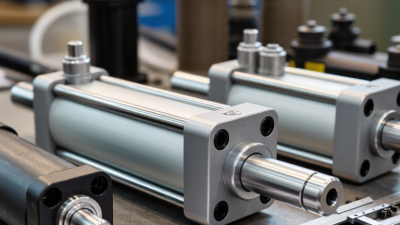
Choosing among China’s Smart Cylinder manufacturers requires more than comparing catalog prices. Buyers should inspect sensor accuracy, repeatability, communication protocols, sealing, and service support. A cylinder may look precise on a product page. Its performance on a dusty production line is a different test.
Automation demand provides useful context, but not a direct market-size estimate. The International Federation of Robotics reported 541,302 industrial robot installations worldwide in 2023, with 4,281,585 robots operating globally. These figures appear in its World Robotics 2024 report. They indicate a substantial automation base, not Smart Cylinder sales. That distinction matters. Data can be persuasive and still answer the wrong question.
Technology entrepreneur Bill Gates offered a relevant warning: “automation applied to an efficient operation will magnify the efficiency.” For manufacturers, that means cylinder intelligence must solve a measurable problem, such as detecting stroke position or reducing unplanned stops. For this comparison, buyers should request test records, operating limits, and references from similar applications. Ask how the device behaves after repeated cycles, not only during a showroom demonstration. Small details count: connector placement, sensor calibration, and the time needed to replace a seal. A supplier that answers clearly deserves attention. A confident brochure is not proof. Even a strong shortlist needs verification.
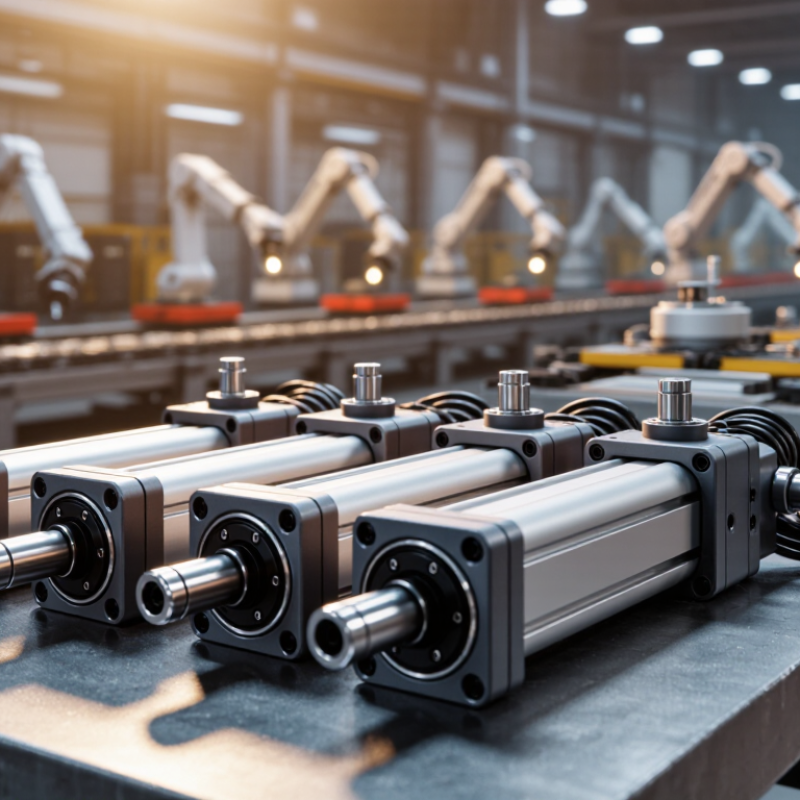
A smart cylinder is an electronic locking unit built into, or fitted over, a door’s cylinder. It checks a credential before allowing the lock to turn. Depending on the design, credentials may include a phone, key card, or PIN. Some models communicate directly with a phone, while others connect through a gateway. The door still needs a physical mechanism. That part matters.
After approval, a small motor or clutch engages the cylinder’s cam or tailpiece, moving the latch or bolt. The exact motion varies by model, so compatibility matters. For example, a cylinder that is too long may not fit a narrow door correctly. A hallway test is useful: unlock the door, then check that the handle and bolt move smoothly. Smart features cannot fix a poorly fitted lock.
Many cylinders run on replaceable batteries and signal when power is low. Some retain a mechanical key override; others use different backup methods, so check the product details. Event logs can show when access was granted, but only if the model supports logging and its settings are configured. For buyers comparing manufacturers in China, ask about cylinder dimensions, installation instructions, battery testing, and how credentials are protected. A polished app is not enough. Real-world reliability depends on the hardware, setup, and ongoing maintenance.
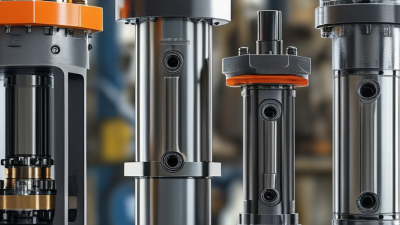
A high-quality smart cylinder should make daily access dependable, not merely look advanced. Start with the mechanical core: a precisely cut plug, durable pins, and a body that resists wear from repeated turning. Feel matters. On a sample unit, the key should enter smoothly, turn without gritty resistance, and return cleanly after release. Test it repeatedly, including with the door slightly misaligned, because real frames are rarely perfect. That detail is easy to overlook. Weather seals and corrosion-resistant materials also matter when the lock faces rain, dust, or salty air.
The electronic system should pair reliable authentication with clear fallback access. Look for stable communication, encrypted data handling, and a battery warning that arrives before power runs low. Check whether the cylinder offers a usable mechanical or emergency power option; a phone app alone is not enough. Useful access records can show who unlocked the door and when, but the settings should be simple to review. Installation compatibility matters. Measure the door thickness, cylinder profile, and cam position before ordering, then confirm the dimensions with a qualified installer or supplier. Published test results offer stronger evidence than polished product claims. Still, specifications do not reveal every weakness. Ask about cycle testing, warranty terms, spare parts, and support after installation. Smart features add convenience, but they also create more points that need maintenance.
ISO 15552 specifies standard bore sizes for pneumatic cylinders. Bore size is one part of cylinder selection; when assessing smart-cylinder quality, also check position-feedback accuracy, repeatability, durability, and documented protection ratings.
China’s smart-cylinder sector includes several kinds of manufacturers. Some are door-hardware factories adding electronic components to established mechanical designs. Others focus on electronic lock cylinders, producing the motor, clutch, and control module as one compact assembly. Access-control manufacturers may also offer cylinders that connect with keypad, card, or mobile-entry systems.
They do not all make every component in-house. A factory might assemble cylinders while sourcing sensors or circuit boards from specialist suppliers. Details matter. When comparing suppliers, ask who designs the firmware, tests the cylinder, and handles replacement parts. Request test records for repeated locking cycles, battery life, and operation under dust or humidity. These checks reveal more than a showroom demonstration.
One limitation is easy to miss: a successful sample test cannot guarantee consistent production across later batches. It is worth checking how the manufacturer tracks revisions and inspects finished units.
Some suppliers serve export markets, while others mainly support domestic door makers and installers. Their product ranges and service capacity can differ substantially.
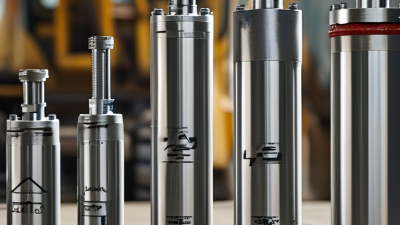
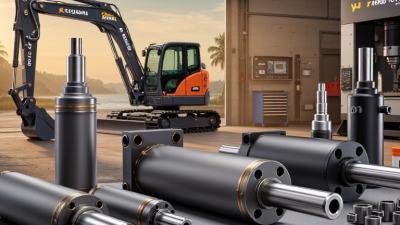
Comparing China’s smart cylinder manufacturers starts with operating details, not catalogue claims. Check bore size, stroke, rated pressure, sensor type, and mounting dimensions against your machine. Ask how position repeatability is measured and whether the stated figure comes from a test report. A cylinder that fits on paper may still need extra brackets or wiring changes. Small mismatch, real delay.
Tips: Request a sample, a dimensional drawing, and test data for the exact configuration. Compare response time and sensing stability under your actual load, temperature, and duty cycle. Check spare-part availability and technical response times, too. These can matter after installation. A fast quote is not proof of a capable supplier.
Manufacturers may differ in customization, inspection records, and consistency between batches. Ask for material details, sealing options, and a clear inspection plan before ordering. When possible, run a short pilot and record position errors over repeated cycles. This takes time. It can expose loose connectors or drift that a brief bench check misses. Comparisons are not always neat; specifications may use different test conditions, and that deserves a second look.
Buyers should start with the machine task, not a catalogue headline. Record bore, stroke, operating pressure, speed, side load, duty cycle, and required position accuracy. Ask for measured repeatability across the full stroke, not a best-case figure at one point. On a test bench, run the cylinder under the actual load and inspect sensor output, wiring, seals, and end cushioning. Small details matter. An unstable signal can disrupt an automated station. Check controller compatibility, enclosure protection, mounting options, and replacement-sensor availability before approving samples.
Market growth provides context, not proof of supplier quality. The International Federation of Robotics reported 541,302 industrial robot installations worldwide in 2023, 10% more than in 2022, in its World Robotics 2024 report.
As automation expands, compatibility and after-sales support become more consequential. Request traceable material and inspection records, documented cycle-test results, and a sample from the production line. Compare warranty terms, lead times, engineering response, and failure handling—not just unit price. Ask how firmware updates are managed. No scorecard is perfect; weigh risks openly. A polished sample is not the whole story. Requirements can change, and suppliers should explain how they handle that.