Blog

How to Choose Welded Hydraulic Cylinders for Global Buyers

Choosing Welded Hydraulic Cylinders for global applications requires more than comparing prices and bore sizes. Buyers must connect cylinder design with machine duty, operating climate, maintenance access, and shipment conditions. A compact excavator in a humid coastal region faces different risks from a press operating indoors. Corrosion protection, seal compatibility, mounting accuracy, and rated pressure all influence service life.

Real purchasing experience shows that small details often create expensive delays. Measure twice. Confirm every dimension. Review the rod diameter, stroke length, port position, retracted length, and mounting style before approval. A reliable supplier should provide clear drawings, material information, inspection records, and evidence of pressure testing. Traceable components also make future troubleshooting easier. However, documents alone do not prove consistent manufacturing quality. Factory process control, welding expertise, and final inspection deserve equal attention.

This guide explains how global buyers can evaluate Welded Hydraulic Cylinders with practical confidence. It discusses selection criteria, supplier communication, quality verification, packaging, and after-sales support. It also considers standards and regional requirements without assuming that one specification fits every market. Ask difficult questions. Expect precise answers. A lower quotation may hide weaker seals, limited testing, or costly replacement procedures. Conversely, the most expensive option may include features your equipment never needs. The best choice is usually a balanced one, supported by application data and verified supplier performance. No checklist is perfect, and real operating conditions can expose assumptions that looked reasonable on paper. That is why careful testing, honest technical discussion, and ongoing review remain essential for dependable hydraulic equipment.
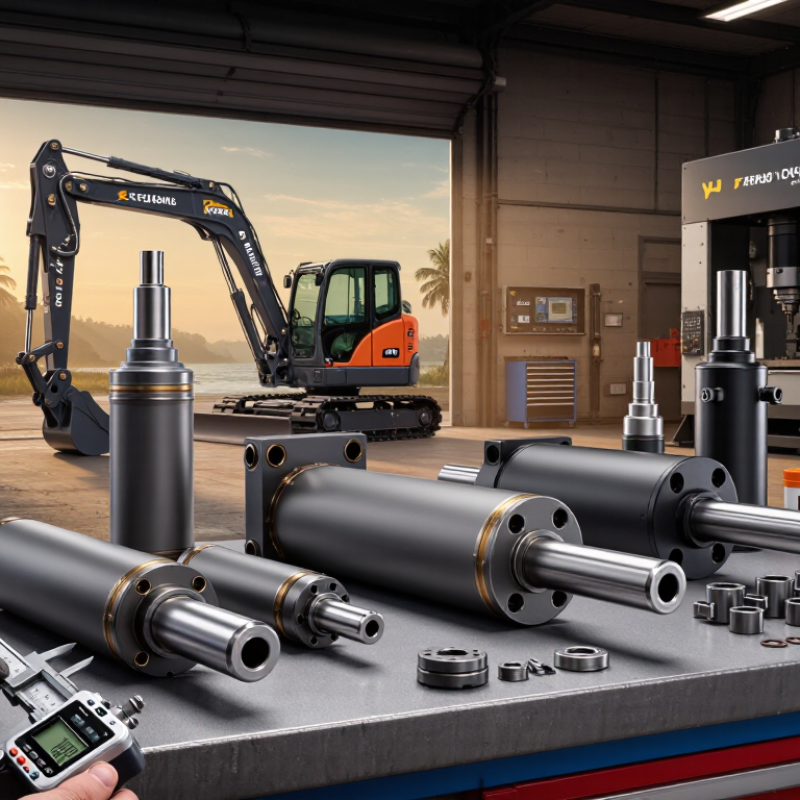
How to Choose Welded Hydraulic Cylinders for Global Buyers

Understanding the Structure and Function of Welded Hydraulic Cylinders

Welded hydraulic cylinders use a steel barrel joined directly to welded end caps. This compact structure reduces external joints and supports high-pressure operation. Inside, hydraulic fluid pushes against a piston, creating linear force. The piston rod transfers that force to a machine component.

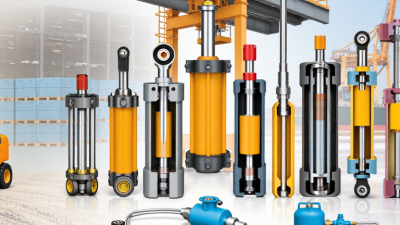
A typical cylinder includes a piston, rod, seals, guide bearing, gland, ports, and mounting points. The seals control internal leakage, while the wiper removes dust from the extending rod.

Bore diameter affects pushing force. Rod diameter affects strength, buckling resistance, and retraction speed. Stroke length must match the real movement, not only the drawing.

Global buyers should check working pressure, peak pressure, temperature, fluid type, corrosion exposure, and duty cycle. Ask for material details, dimensional tolerances, pressure-test records, and seal specifications. Mounting alignment matters more than many buyers expect. Poor alignment can damage the rod and shorten seal life. Measure twice.

From field inspections, I have seen cylinders fail because buyers selected force without checking side loads. That mistake is easy to repeat. No selection method is perfect, especially when operating conditions change seasonally. A reliable supplier should discuss load behavior, maintenance access, and replacement parts before production. Clear drawings and traceable test records make technical decisions safer across different markets.
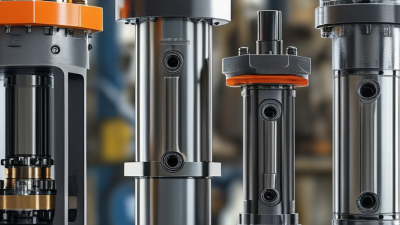
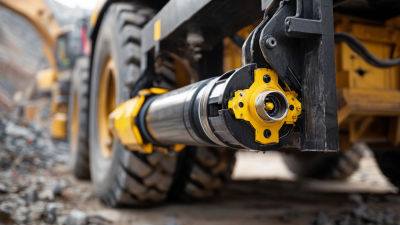
Identifying Load, Pressure, Stroke, and Mounting Requirements

How to Choose Welded Hydraulic Cylinders for Global Buyers

Start with the real load, not the catalog maximum. Measure the load.

Cylinder force equals pressure multiplied by piston area. For example, a 100 kN load at 160 bar requires about 625 cm² of piston area? Correction: 0.00625 m², or 62.5 cm², producing an 89 mm theoretical bore. A 100 mm bore may be safer after considering friction, acceleration, and uneven loading. ISO 6020/2 identifies 160 bar as a nominal working pressure for medium-duty hydraulic cylinders. ISO 6022 covers designs rated around 250 bar. These figures are reference points, not permission to ignore the relief valve, duty cycle, or impact loads.

Stroke selection needs more than travel distance. Add clearance for cushions, rod engagement, and mechanical stops. A long stroke with side loading can bend the rod quickly.

Use guides when the cylinder cannot carry pure axial force. Mounting also affects service life. Choose clevis, flange, trunnion, or foot mounting according to the force path. Pin alignment should be checked during full extension and retraction. Alignment matters.

I have seen purchasing teams specify pressure correctly but overlook mounting space. That mistake creates expensive redesigns across different countries. Metric dimensions, seal materials, temperature ranges, and port threads should be confirmed before ordering. International fluid-power standards improve communication, but they do not eliminate application errors. A spreadsheet can still lie. Test the cylinder under realistic load cycles, including cold starts and sudden stops, before approving production quantities.

Comparing Materials, Seals, Coatings, and Manufacturing Standards

Choosing a welded hydraulic cylinder begins with the working environment, not the catalog drawing. The 2024 Hydraulic Cylinders Global Market Report by The Business Research Company valued the market above USD 14 billion in 2023. That scale reflects demand for reliable, repairable equipment. Carbon steel suits many general applications, while stainless steel helps resist moisture and chemical exposure. However, stainless steel does not automatically prevent galling or seal failure.

Seal selection requires fluid, temperature, pressure, and speed data. Polyurethane seals often handle abrasion well, while PTFE compounds reduce friction in demanding cycles. Nitrile can perform effectively with common mineral oils, but heat and fluid additives may shorten its life. Small details matter. A seal chosen only by nominal pressure is a common purchasing mistake. Field inspection should check extrusion, rod scoring, and abnormal leakage after installation.

Coatings deserve equal attention. Zinc-based systems, epoxy finishes, and ceramic treatments offer different protection levels. ASTM B117 salt-spray hours can support comparison, but they do not reproduce every outdoor condition. Corrosion starts quietly. Specify drainage, surface preparation, coating thickness, and test records. For manufacturing, ISO 9001 supports controlled quality processes, while ISO 6020/2 and ISO 6022 help define cylinder dimensions and performance classes. ISO 4406 cleanliness reporting is also valuable for protecting valves and pumps. In practice, certificates, weld inspection records, pressure-test results, and material traceability matter more than polished brochures. I would still challenge any supplier offering one “best” specification for every country and machine.

How to Choose Welded Hydraulic Cylinders for Global Buyers

Comparing seal materials, cylinder materials, protective coatings, and manufacturing standards

Seal Selection

NBR is widely used for general mineral-oil service. FKM suits higher temperatures, EPDM is preferred for water-based fluids, and polyurethane offers strong abrasion resistance.

Materials and Coatings

Honed cold-drawn steel tubes are common for cylinder barrels. Rods typically use medium-carbon or alloy steel with hard-chrome plating, induction hardening, or another corrosion-resistant surface treatment.

Manufacturing Standards

ISO 6020/2 and ISO 6022 define dimensions and mounting requirements for many hydraulic cylinders. ISO 5598 supports fluid-power terminology, while ISO 12944 helps specify protective coating systems.

Temperature ranges are typical continuous-service guidelines for common seal compounds and vary by formulation, pressure, fluid, speed, and duty cycle. Always confirm the supplier’s technical data sheet.

Evaluating Suppliers, Certifications, Testing, and Export Capabilities

How to Choose Welded Hydraulic Cylinders for Global Buyers

Supplier evaluation should begin with traceable evidence, not a polished catalog. Ask for welding procedures, material certificates, inspection records, and production photos. ISO Survey 2022 recorded 1,265,216 ISO 9001 certificates across 189 economies. Certification helps, but it does not prove cylinder quality. Confirm whether the certificate covers the actual manufacturing site. Review welding controls under ISO 3834, procedure qualifications under ISO 15614, and welder competence under ISO 9606. A certificate is not magic.

Testing should match the cylinder’s working environment. Require dimensional inspection, weld visual checks, pressure testing, leakage testing, and coating verification. For demanding applications, request fatigue or endurance data using defined load cycles. Ask for serial-number traceability from steel batch to final test report. One practical weakness is inconsistent reporting. A supplier may state “tested” without showing pressure, duration, instruments, or acceptance limits. That should trigger questions. Export capability matters too. Check packaging for corrosion protection, lifting marks, shock resistance, and moisture control. Confirm HS classification, commercial invoices, packing lists, manuals, spare seals, and delivery terms.

Tips: Request one sample inspection report before ordering. Verify calibration dates. Ask for references in similar climates. Check whether the supplier can support replacement seals quickly. Do not assume a familiar certificate equals reliable field performance. Small details often decide large failures.

How to Choose Welded Hydraulic Cylinders for Global Buyers - Evaluating Suppliers, Certifications, Testing, and Export Capabilities

Evaluation Dimension What Global Buyers Should Verify Relevant Standard or Document Reliable Evidence Suggested Weight Buyer Decision Guide
Application and Load Requirements Bore diameter, rod diameter, stroke length, operating pressure, mounting style, duty cycle, speed, temperature, side-load exposure, and required service life. Approved technical drawing and written performance specification. Signed datasheet, load calculations, application review, and drawing approval record. 15% Reject suppliers that quote only by bore and stroke without checking pressure, mounting, duty cycle, and side loads.
Cylinder Construction Weld quality, tube material, rod material, piston design, gland arrangement, weld-zone treatment, corrosion protection, and replaceability of seals and wear components. Manufacturing drawing, material specification, welding procedure, and inspection plan. Welding Procedure Specification, welder qualification records, material traceability, and dimensional inspection reports. 15% Prefer designs with documented weld controls, accessible replacement seals, and corrosion protection suited to the destination environment.
Dimensional Compatibility Mounting dimensions, port type and size, retracted and extended lengths, rod thread, tolerances, allowable misalignment, and interface with existing equipment. ISO 6020/2 for medium-duty metric cylinders or ISO 6022 for heavy-duty metric cylinders, where applicable. Dimensioned drawing, tolerance table, sample measurement report, and interchangeability confirmation. 10% Do not assume dimensional compatibility from a nominal model description; verify every critical interface.
Quality Management System Control of incoming materials, process inspections, nonconforming products, corrective actions, calibration, document control, and final release. ISO 9001:2015 certification, with a scope covering relevant manufacturing activities. Valid certificate, certification-body details, audit status, and certificate scope matching the supplied products. 10% Treat certification as evidence of a management system, not as proof that every cylinder is automatically compliant.
Material Traceability Traceability from steel, rod, seals, and critical purchased parts to the finished cylinder and production batch. EN 10204 material inspection documents, commonly Type 3.1 when specified by contract. Heat numbers, mill certificates, batch records, incoming inspection reports, and traceability matrix. 8% Specify certificate type, required materials, and retention period before placing the order.
Weld and Surface Inspection Inspection of circumferential and attachment welds, machining quality, rod straightness, chrome condition, tube cleanliness, and coating thickness. Approved inspection and test plan; applicable nondestructive-testing procedure. Visual inspection records, dye penetrant or magnetic-particle reports where specified, roughness readings, and coating reports. 8% Require inspection criteria and sampling levels in the purchase specification instead of relying on visual appearance alone.
Pressure and Functional Testing Proof-pressure test, leakage check, smooth extension and retraction, cushion operation where fitted, and confirmation of operating performance. ISO 10100, Hydraulic fluid power — Cylinders — Acceptance tests, where applicable. Test pressure, duration, test medium, calibrated gauge identification, leakage result, test date, and inspector approval. 12% Define acceptance pressure and duration contractually; test conditions should be traceable to the delivered serial or batch.
Certification and Regulatory Fit Whether the cylinder is a component or part of a regulated assembly, and whether destination-market requirements apply to the complete machine or pressure equipment. Applicable customer specification, machinery requirements, and PED 2014/68/EU assessment when the product falls within its scope. Declaration or technical documentation issued by the responsible manufacturer, risk assessment, and conformity records where legally required. 8% Confirm the legal responsibility for conformity before ordering; a general certificate cannot replace a required product-specific assessment.
Export Documentation Commercial invoice, packing list, country of origin, HS classification, transport documents, export packaging, and agreed Incoterm. Incoterms® 2020; HS heading 8412.21 may apply to linear-acting hydraulic power engines and motors, subject to customs classification. Sample export document set, packaging specification, confirmed HS code, and written Incoterm allocation of costs and risks. 7% Have the importer or customs broker verify classification and destination requirements before shipment.
Packaging and Corrosion Protection Protection of chrome rods, ports, painted surfaces, machined interfaces, and seals during inland transport, ocean freight, storage, and handling. Buyer-approved packaging specification and destination transport requirements. Packaging photographs, moisture and impact protection details, preservation period, lifting instructions, and packing-list cross-reference. 5% Use reinforced packaging for long cylinders and specify storage conditions, preservation duration, and handling points.
Warranty and After-Sales Support Warranty duration, exclusions, claim response time, spare-seal availability, repair instructions, technical communication, and field-service support. Written warranty terms and service-level agreement. Warranty certificate, spare-parts list, service manual, response-time commitment, and replacement or repair procedure. 7% Prioritize suppliers that can identify parts by drawing or serial number and provide support across time zones.
Total Suggested Evaluation Weight 100% Use a weighted score only after mandatory technical and legal requirements have been met.
Scoring method: Rate each dimension from 0 to 5 based on documented evidence, multiply by the suggested weight, and compare the weighted total. A score should not compensate for failure to meet mandatory pressure, dimensional, safety, traceability, or import requirements.

Selecting the Right Cylinder and Verifying Total Ownership Costs

How to Choose Welded Hydraulic Cylinders for Global Buyers

Selecting a welded hydraulic cylinder requires more than comparing purchase prices. In field sourcing, I check pressure ratings, stroke length, mounting geometry, rod coating, seal compatibility, and cleanliness requirements. A cylinder that fits the drawing may still fail in cold weather or dusty service.

Ask for pressure-test records, material certificates, dimensional inspection data, and clear warranty terms. ISO 4413:2010 also emphasizes risk reduction, contamination control, and safe hydraulic-system design.

Total ownership cost includes freight, import duties, installation labor, replacement seals, oil contamination, downtime, and disposal. A low-cost cylinder can become expensive after one unplanned shutdown.

For example, a $900 cylinder may require $180 freight and $250 installation.

A two-day delay can exceed both costs if production stops. Use a five-year worksheet, not a supplier quotation alone. NIST Handbook 135 recommends including acquisition, operation, maintenance, and disposal costs in life-cycle costing.

Maintenance matters. The U.S. Department of Energy’s Operations & Maintenance Best Practices Guide, Release 3.0, reports potential energy savings of 5–20% from effective operations and maintenance practices.

That figure is not guaranteed for every hydraulic system. Still, scheduled leak checks, clean oil, and correct alignment reduce avoidable losses.

Some assumptions will be wrong. Recheck them with local service rates, actual duty cycles, exchange rates, and delivery conditions before approval.