Choosing a Hydraulic Cylinder Rod supplier is not just a price comparison. A rod may look flawless in a catalog yet show scoring after weeks in a dusty loader or wet coastal plant. Buyers need to examine material grades, heat treatment, straightness, surface finish, and chrome-layer consistency. Ask for inspection records and sample measurements, not only broad quality claims. Small details matter.
This guide reviews seven suppliers for global buyers, focusing on product range, manufacturing capability, communication, and export support. It also considers practical questions: Can the supplier meet a custom diameter? Are tolerances clearly documented? How are long rods protected against scratches during shipping? Reliable answers help reduce delays and avoid costly fit problems. No supplier is perfect for every job. A large manufacturer may offer broad capacity, while a smaller specialist may provide closer technical support. Neither advantage guarantees a good match.
Use the comparisons as a starting point, then verify specifications against your cylinder design and operating conditions. Request current drawings, material certificates, and realistic lead times before placing an order. Check how the supplier handles nonconforming parts, too. That conversation can reveal more than a polished brochure. This overview cannot replace an engineering review, and supplier capabilities may change. Treat it as a shortlist, not a final verdict.
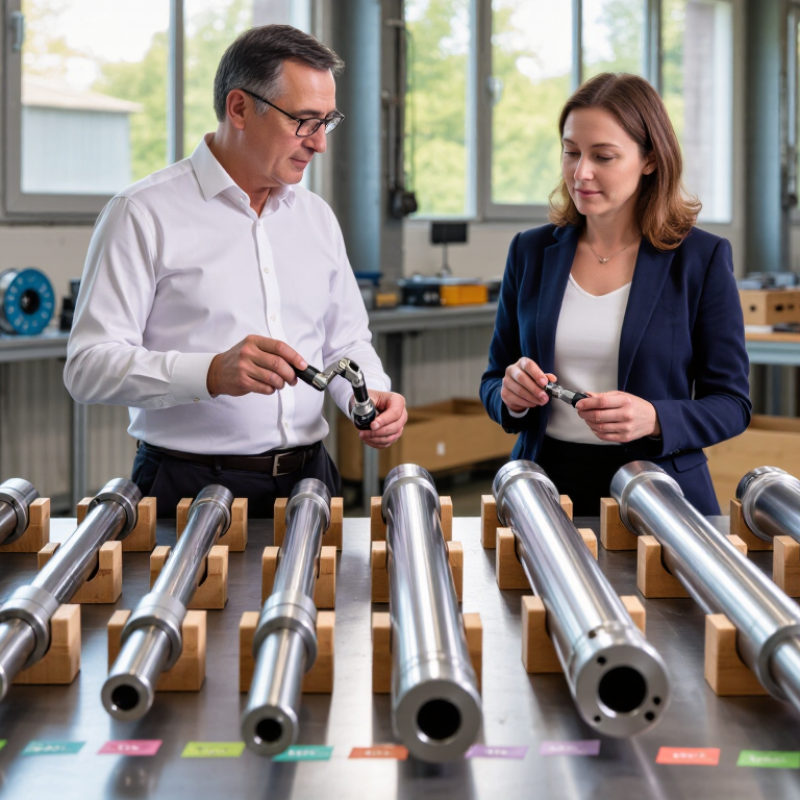
A hydraulic cylinder rod is the polished steel shaft that transfers piston force to a machine’s load. It slides through the cylinder head seal, so straightness, surface finish, and corrosion resistance affect leakage and service life. Rods are commonly made from steel bar, then cut, turned, and straightened to suit the cylinder design. They are not just shiny shafts.
Manufacturing may include induction hardening, precision grinding, and a protective coating such as hard chrome. Each step controls a different risk: hardening resists impact and wear, while grinding helps create a consistent sealing surface. Suppliers typically inspect dimensions, hardness, coating thickness, and surface quality.
World Steel Association’s World Steel in Figures 2025 reports global crude steel output of 1,882.6 million tonnes in 2024. That figure reflects the scale of steel production, not hydraulic-rod output, but it highlights why material traceability matters.
Small flaws matter. A tiny surface defect can damage a seal over repeated cycles.
Tips: Ask suppliers for material certificates and inspection records. Confirm the rod’s diameter, usable length, coating, and operating environment before ordering. Check how straightness and surface finish are measured. I would also ask about repairability; that detail is easy to overlook, and specifications alone do not reveal every service problem.
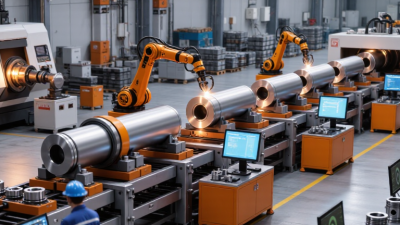
When assessing hydraulic cylinder rod suppliers for global sourcing, compare evidence, not just quoted prices. Request material certificates, heat-treatment records, and inspection results linked to the rod batch. Check whether the supplier can hold your specified diameter, straightness, surface finish, and coating thickness. Ask for records. A sample rod should be measured at several points, not only where it looks smooth. For chrome-plated rods, review coating thickness and adhesion test methods, then confirm they suit your operating environment. A polished brochure proves little.
Production capability matters, but so does communication when a drawing is unclear. Ask how the supplier manages revisions, nonconforming parts, and production delays. Confirm packaging details, such as protective sleeves and sealed ends, to reduce transit damage and corrosion. Request a sample inspection report before placing a large order. Then compare its measurements with your own acceptance criteria. It is tempting to treat one good sample as a guarantee; it is only evidence from one batch. Lead times, freight routes, and document formats can also affect delivery, so put these expectations in writing. A careful checklist can still miss something. Revisit it after the first shipment.
A useful shortlist of hydraulic cylinder rod suppliers should compare capabilities, not just quoted prices. An integrated steel producer can control material chemistry and bar consistency. A precision machining specialist can hold tight diameter tolerances and deliver clean, concentric surfaces. A hard-chrome processor focuses on coating thickness, adhesion, and corrosion resistance. These details affect seal wear and service life.
Other supplier profiles bring different strengths. An induction-hardening specialist can provide a wear-resistant surface with a tougher core. A stainless-steel supplier serves applications where moisture or cleaning chemicals are concerns. A custom-alloy producer can address unusual load or temperature demands. A regional stock distributor may offer cut-to-length rods and faster dispatch. Not every capability is equally valuable; application conditions matter, and supplier claims still need verification.
Tips: Request a sample inspection report. Check straightness, surface finish, hardness, coating thickness, and material traceability. Ask how defects are handled. A polished brochure is not proof. If possible, test a rod under your actual operating conditions; even a careful specification can miss something.
The entries below are anonymized supplier profiles, not named companies or a verified ranking. Capabilities vary by manufacturer; confirm materials, tolerances, testing, certifications, and delivery terms for each order.
| Supplier Profile | Core Capabilities | Common Rod Options | Quality Checks to Confirm | Best Fit for Buyers |
|---|---|---|---|---|
| Chrome-Plated Bar Specialist | Produces or processes precision-ground steel bar with a hard-chrome surface for use as hydraulic cylinder piston rod stock. | Carbon or alloy steel grades; hard-chrome-plated surfaces in specified diameters and lengths. | Diameter and straightness tolerances, surface roughness, chrome-layer thickness, coating adhesion, and material documentation. | OEMs and cylinder manufacturers sourcing standard rod stock for machining and assembly. |
| Induction-Hardened Rod Producer | Combines surface hardening with grinding and, where specified, chrome plating to improve resistance to wear and surface damage. | Hardenable carbon or alloy steels with induction-hardened surfaces; plated or unplated finishes depending on the application. | Surface hardness, hardened depth, straightness, finish, and consistency along the working length. | Buyers of rods for equipment exposed to repeated contact, abrasion, or demanding operating conditions. |
| Stainless Steel Rod Supplier | Supplies corrosion-resistant rod materials and can offer machining or finishing options suited to wet or corrosive environments. | Stainless grades selected according to corrosion exposure, strength requirements, and the intended surface finish. | Material grade and test certificates, dimensions, surface condition, and confirmation that the selected grade suits the service environment. | Applications where moisture, washdown, or corrosive exposure makes corrosion resistance a priority. |
| Precision and Hollow-Rod Manufacturer | Supports close dimensional control and hollow-rod production for designs where reduced moving mass or a specialized internal passage is required. | Solid or hollow steel rod configurations, made to agreed drawings and specifications. | Concentricity, wall thickness, straightness, internal condition, dimensional tolerances, and material traceability. | Custom cylinder designs and applications with specific weight, geometry, or internal-feature requirements. |
| Large-Diameter and Heavy-Duty Rod Supplier | Focuses on larger or heavier rod sections and the associated handling, machining, grinding, and finishing requirements. | Carbon or alloy steel rods in project-specific sizes and lengths, subject to production capacity. | Dimensional inspection over the full length, straightness, surface finish, material certification, and packaging for transport. | Construction, mining, and industrial equipment projects with substantial cylinder components. |
| Custom-Machined Rod Supplier | Provides cut-to-length stock and secondary operations such as turning, threading, drilling, or end-feature machining to customer drawings. | Material and finish options selected to match the drawing, cylinder design, and operating conditions. | Drawing revision control, critical dimensions, thread inspection, burr removal, finish protection, and first-article approval when required. | Buyers seeking ready-to-assemble or partially machined rods to reduce in-house processing. |
| Export-Focused Stockist and Processor | Maintains or sources common rod stock and may provide cutting, basic processing, export packing, and consolidated shipments. | Common steel rod formats and finishes, with availability dependent on inventory and sourcing arrangements. | Stock verification, batch identification, inspection records, protective packaging, and agreed shipping documentation. | Distributors and project buyers who value availability, smaller mixed orders, or coordinated international logistics. |
A hydraulic cylinder rod can look polished and still fail early if its material or coating does not match the working environment. Medium-carbon steel is common for general service, while alloy steel can offer greater strength in demanding applications. Stainless steel may suit corrosive or washdown settings, but its grade and mechanical properties need careful checking. The cheapest option is not always the economical one.
Surface treatment changes how a rod handles wear and moisture. Hard chrome plating is widely used; buyers should compare coating thickness, hardness, adhesion, and corrosion-test results. Induction hardening can improve surface durability, while alternative coatings may suit specific operating conditions. Ask how the finish is inspected, not only how it is described. Small details matter.
Quality claims should connect to measurable records: diameter tolerance, straightness, surface roughness, hardness, and material traceability. A quality-management certificate can indicate controlled processes, but it does not prove that each rod meets your drawing. Request inspection reports and confirm that test methods match the purchase specification. For global shipments, clarify packaging and rust protection too; a good rod can arrive damaged. It is easy to overvalue a familiar standard, and I would still verify the actual measurements.
A useful quality-checking reference for global buyers comparing hydraulic cylinder rod suppliers is the specified surface roughness. The chart shows common Ra reference values associated with ISO 1302 roughness grades; lower Ra values indicate a smoother surface.
These are general surface-texture reference values, not universal hydraulic rod acceptance limits. Buyers should confirm the required finish, coating, material grade, and inspection method against the cylinder design and applicable specifications.
For global buyers, a hydraulic cylinder rod quote is meaningful only when its scope is clear. Compare steel grade, diameter tolerance, straightness, surface finish, and chrome thickness—not just price per rod. Ask whether inspection, protective packaging, and export documents are included. A lower quote can shift costs into rework or freight. Small details matter.
Lead times should separate production, inspection, and transit. The World Bank’s 2023 Logistics Performance Index report estimates that goods spend an average of
That figure is not a delivery promise, but it shows why port handling deserves attention. Request a shipment schedule with realistic buffer time, especially for custom lengths or tight tolerances. For shipping, compare total landed cost, including crating, insurance, and destination charges.
For support, agree on inspection records, traceability, and a named technical contact before ordering. One practical detail is often missed: confirm how rod surfaces are protected against scratches during handling.
I would still challenge any supplier’s optimistic schedule; even a well-planned order can slip.