Blog

What is Hydraulic Cylinder Manufacturing for Global Buyers?

Hydraulic Cylinder Manufacturing plays a vital role in multiple industries, including construction, aerospace, and agriculture. The global hydraulic cylinder market was valued at approximately $9.5 billion in 2020 and is projected to reach over $13 billion by 2027. This growth reflects the increasing demand for efficient hydraulic systems in machinery and equipment.

Manufacturers face various challenges in this sector. Quality control and precision engineering are paramount. High-performance hydraulic cylinders must withstand extreme pressures and harsh environments. Reports indicate that up to 20% of cylinders fail during initial tests. Such failures highlight the need for rigorous manufacturing standards.

Innovative technologies are pivotal in enhancing production processes. Automation and advanced materials can improve durability and reduce costs. However, implementing these technologies requires investment and expertise. Global buyers must navigate these complexities when sourcing hydraulic cylinders. Understanding industry benchmarks and production capabilities is essential for making informed decisions in this evolving market.
What is Hydraulic Cylinder Manufacturing for Global Buyers?

Understanding the Basics of Hydraulic Cylinders in Manufacturing

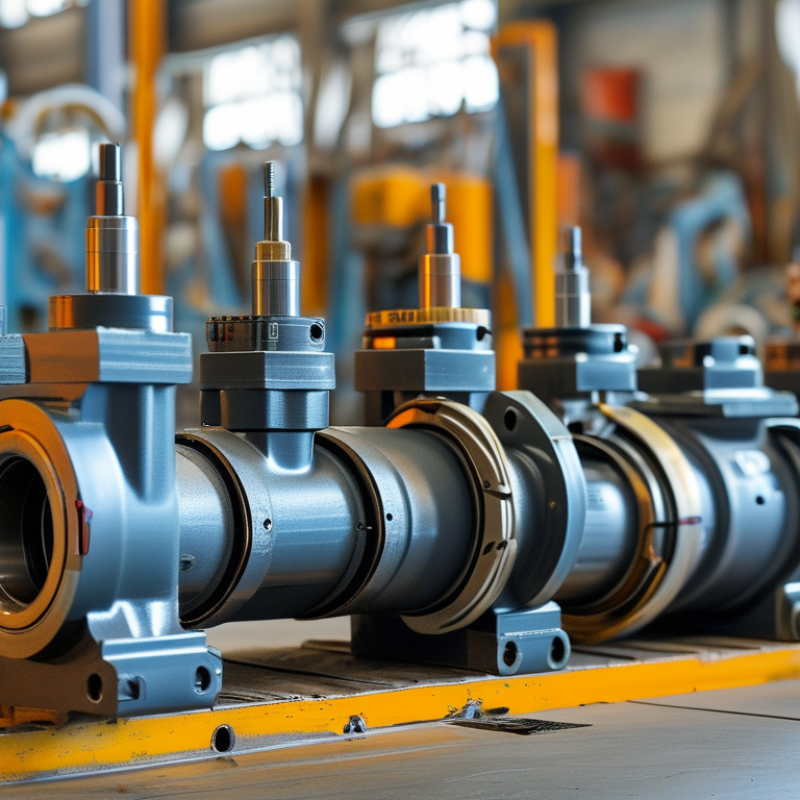
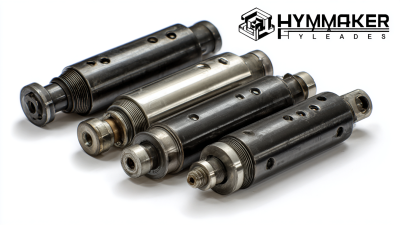
Hydraulic cylinders are crucial components in various manufacturing sectors. They convert hydraulic energy into mechanical energy, providing powerful linear motion. A report by the International Hydraulic Industry Association indicates that the global hydraulic cylinder market is projected to reach $15 billion by 2030, growing at a rate of 5% annually. This growth is driven by increasing demand in construction and material handling applications. Understanding their operation is essential for buyers.

When selecting hydraulic cylinders, buyers should consider factors like size, pressure rating, and stroke length. Ensuring these fit your equipment is vital. Misalignment in specifications can lead to mechanical failures, resulting in project delays. Regular maintenance also plays a key role in prolonging the lifespan of hydraulic cylinders. Reports suggest that up to 30% of hydraulic failures are due to lack of proper upkeep.

Tip: Always verify the specifications against your equipment. Even small discrepancies can cause significant issues.

Tip: Keep a maintenance log. Tracking performance helps identify potential problems early.

Hydraulic cylinders also face challenges, like the need for specialized materials to withstand extreme conditions. Selecting the wrong material can lead to premature wear, affecting reliability. This aspect often gets overlooked. Awareness and education are key to making informed decisions in hydraulic cylinder manufacturing.
Key Manufacturing Processes for Hydraulic Cylinders Explained

Hydraulic cylinder manufacturing involves several key processes that ensure the production of high-quality components. The primary phase is material selection. Strong metals like steel are often chosen for their durability. However, the cost of material can affect overall pricing.

Machining follows, where precise shapes are formed. This may include turning, milling, and drilling. Each step requires skilled operators and advanced machinery. Issues can arise if tolerances are not met. Precision is crucial for the cylinder's functionality.

Welding is next, providing structural integrity. Proper techniques must be used to avoid weld defects. Heat treatment may also be necessary to enhance strength.

Quality control is essential at every stage. Inspecting defects early can prevent costly rework. Continuous improvement in processes can lead to better efficiency and reduced waste.

Selecting Materials for Durable Hydraulic Cylinder Production

Selecting the right materials for hydraulic cylinder production is crucial. The durability and performance of these cylinders depend largely on material properties. Common materials include high-strength steel and aluminum alloys. According to industry reports, using high-strength steel can enhance the fatigue resistance of hydraulic cylinders by nearly 30%. This makes it a preferred choice in many applications.

Another important consideration is corrosion resistance. Cylinders are often subjected to harsh environments. Stainless steel and specially coated metals can significantly extend the lifespan of hydraulic systems. Recent studies indicate that corrosion can reduce hydraulic cylinder efficiency by over 15%. This underlines the importance of material selection in reducing maintenance costs.

Manufacturers also face challenges in sourcing high-quality materials. Fluctuations in material availability can disrupt production schedules. Quality control measures should be strictly implemented to ensure compliance with industry standards. Without proper checks, defective materials could lead to performance failures. This stresses the need for reliable suppliers and robust quality assurance processes.

Material Selection for Hydraulic Cylinder Manufacturing

Quality Control Standards in Hydraulic Cylinder Manufacturing

Hydraulic cylinder manufacturing requires strict quality control standards. These standards ensure that the cylinders meet the performance and safety requirements of various industries. Data from the Hydraulic Institute indicates that up to 30% of hydraulic system failures can be traced back to poor manufacturing practices. Thus, implementing robust quality checks is vital for reliability.

Quality control begins with material selection. High-grade materials are essential for durability. Commonly used materials like steel and aluminum must undergo rigorous testing. According to the American Society for Testing and Materials (ASTM), over 15 standards apply to hydraulic cylinder materials alone. This attention to detail can prevent costly failures down the line.

Manufacturers also employ advanced testing techniques. Pressure tests, leak tests, and fatigue tests are standard. These tests simulate conditions the cylinders will face in real-world applications. Reports suggest that around 25% of hydraulic cylinders need rework or replacement due to insufficient testing. Continuous improvement in testing protocols is crucial for maintaining industry standards and enhancing product reliability. Quality control must not be viewed as a mere checklist but rather an integral aspect of the manufacturing process.

Challenges Faced by Global Buyers in Sourcing Hydraulic Cylinders

Sourcing hydraulic cylinders presents unique challenges for global buyers. Many face difficulties in finding reliable suppliers. Trust is crucial in establishing partnerships, yet it can be hard to gauge the credibility of manufacturers. Buyers must often navigate language barriers and differences in business practices. This complicates communication and can lead to misunderstandings.

Quality assurance is another significant concern. Buyers may receive products that do not meet specifications. Verifying product quality remotely is challenging. Frequent inspections are expensive and time-consuming. Additionally, lead times can be unpredictable, causing delays in projects. This unpredictability often results in project overrun costs.

Buyers must also be aware of varying industry standards. These can differ from country to country. Understanding local regulations is essential but can be tedious. Ensuring compliance adds an extra layer of complexity. This situation calls for careful planning and research. Sometimes, potential buyers might overlook essential details in their rush to meet deadlines.