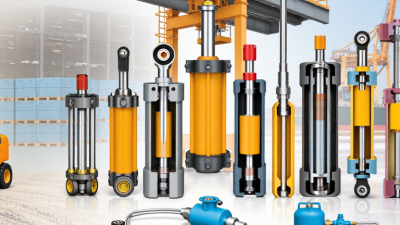
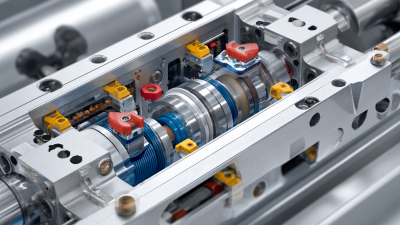
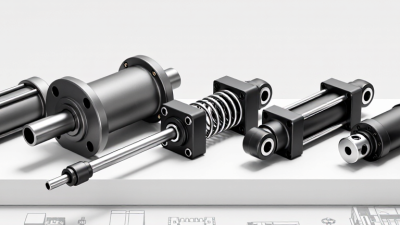
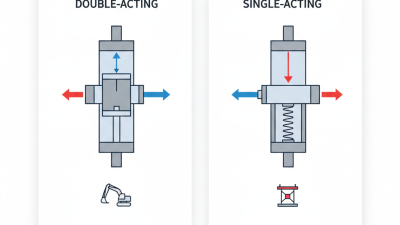
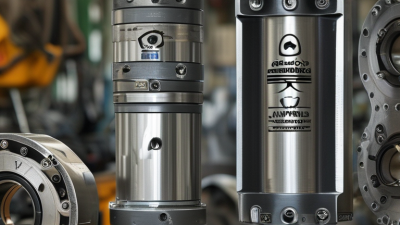
A hydraulic cylinder may look simple on a workbench: a steel tube, polished rod, seals, and two ports. Under load, every detail matters. Bore accuracy, rod finish, seal selection, and weld quality affect leakage, wear, and service life. That is why choosing a capable supplier matters. Hydraulic Cylinder Manufacturing involves more than assembling parts; it requires controlled processes and careful engineering.
Manufacturing quality expert W. Edwards Deming is widely quoted as saying, “Quality comes not from inspection, but from improvement of the production process.” That principle fits hydraulic cylinders well. A dependable manufacturer can review pressure, stroke, mounting style, operating environment, and duty cycle before recommending a design. It should also explain material choices, testing methods, and production tolerances in clear terms. Ask how finished cylinders are inspected, and whether test records are available. Details matter.
Still, a well-known name is not a guarantee of the right fit. A supplier may offer excellent standard products but limited customization, or strong engineering but longer lead times. Compare capabilities against the actual application, not just a brochure. A cylinder that runs smoothly in a clean factory may face dust, vibration, or temperature changes in the field. Those conditions deserve attention. Choosing a hydraulic cylinder manufacturer is ultimately a decision about performance, support, and confidence over time—and a little healthy skepticism helps.
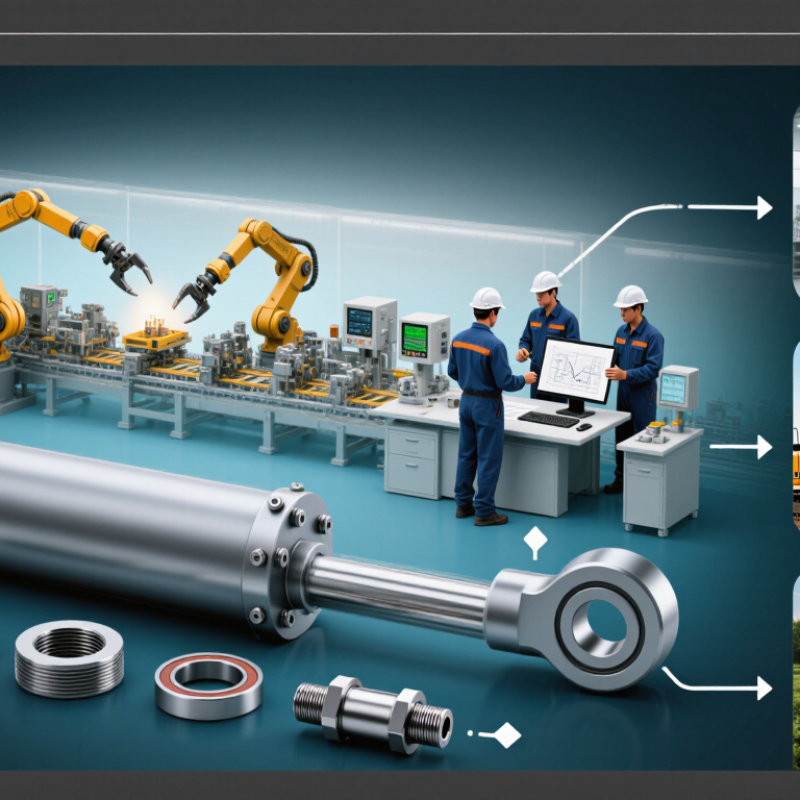
A hydraulic cylinder manufacturer turns operating requirements into a working actuator. The process begins with practical questions: What load must the cylinder move? How far, how often, and in what environment? Engineers use the answers to select bore size, rod diameter, stroke, seals, and mounting style. They also check pressure ratings and side loads, since a cylinder can fail early when its rod is poorly supported. Small details matter. A seal that suits clean indoor machinery may wear quickly around dust, water, or heat.
Manufacturers then machine and assemble components, inspect critical dimensions, and test the finished cylinder for leakage and movement. Depending on the application, testing may include pressure checks and repeated cycling. A 2023 Grand View Research report estimated the global hydraulic cylinder market at about US$14.7 billion, reflecting broad demand across construction, agriculture, and industrial equipment. That scale makes consistent quality control important, but it does not guarantee a suitable design. Buyers should share duty-cycle details and ask how testing matches real operating conditions. Even experienced teams can overlook side loading or temperature swings. That is worth reviewing.
Hydraulic cylinder design begins with the machine’s real working conditions, not just a drawing. A manufacturer needs details such as load, stroke length, operating pressure, cycle frequency, and available mounting space. These inputs shape bore size, rod diameter, tube thickness, and port placement. Small changes matter. A side load from misaligned mounts, for example, can increase wear on the rod and seals. Mounting geometry deserves careful review before production.
Seal selection depends on pressure, fluid, temperature, and movement speed. Rod materials and surface finishes also affect wear and service life. A knowledgeable manufacturer can explain these trade-offs and check risks such as rod buckling or uneven loading. Prototype testing under representative conditions can reveal leakage, heat, or fit problems that calculations alone may miss. Test results should be recorded and compared with the design requirements. Not every field condition is predictable. Real equipment can surprise even careful teams, so clear feedback from operators can help refine the next design.
A cylinder’s reliability begins with the materials inside it. The barrel must withstand operating pressure without excessive distortion, while the piston rod needs a durable surface to resist wear and corrosion. Seal material also matters. An incompatible seal can swell, harden, or leak when exposed to a particular fluid or temperature.
Small errors add up.
A capable manufacturer checks more than the finished cylinder. Material certificates, dimensional measurements, surface-finish readings, and weld inspections can reveal problems before assembly. Cleanliness matters, too: a small particle left inside may score a seal during operation.
Pressure testing helps confirm performance, but it cannot reproduce every real-world load or temperature change. No test is perfect. Ask how test results are recorded and whether components can be traced to their material batches.
Field conditions sometimes expose assumptions that seemed sound on paper, so clear communication about pressure, mounting, fluid, and duty cycle is essential. A detailed inspection plan is useful, but it should match the cylinder’s actual working environment.
A hydraulic cylinder may look simple from the outside, but application details shape nearly every design choice. A manufacturer will typically ask about required force, stroke length, operating pressure, speed, and available space. A packaging line may need a compact cylinder that cycles thousands of times per shift. A mobile machine may need stronger protection against dust, vibration, and weather.
Mounting points matter, too. If a cylinder is slightly misaligned, side loads can wear the rod and seals faster than expected. Small details matter. Engineers may adjust the rod diameter, bearing length, or end fittings to suit the machine’s geometry. They also consider fluid type and temperature when choosing seals and surface finishes. There is no universal combination. A specification can look complete and still miss a real operating condition.
Before production, manufacturers can review calculations and test prototypes under representative loads and cycle patterns. A test may reveal slow movement, heat buildup, or leakage that a drawing cannot show. Those findings can lead to changes in cushioning, materials, or tolerances. Not every early choice proves right. Clear communication about duty cycles, maintenance access, and the working environment helps reduce guesswork and supports a cylinder that fits its actual task.
Choosing a hydraulic cylinder manufacturer means assessing process control, not just price or bore size. Ask how the manufacturer verifies tube dimensions, rod surface finish, seal compatibility, and weld quality. Request pressure-test results, leakage limits, endurance-test records, and traceable material certificates. ISO 4413:2010 outlines safety requirements for hydraulic systems; a capable supplier should explain how cylinder design and test records support your system review. The U.S. Department of Energy’s Improving Pumping System Performance sourcebook reports that pumping systems can use 25–50% of energy in some industrial facilities. This figure is not cylinder-specific, but it highlights why correct sizing and leak control matter. A polished brochure proves little.
Assess engineering support with your real operating conditions: pressure, stroke, speed, side loads, temperature, and duty cycle. Ask for drawings that show mounting points and port locations, then confirm tolerances before production. Check spare-part availability, repair support, and how the supplier investigates failures. Small details matter. If a test report lacks acceptance criteria, ask what the numbers mean and how they were measured.
Tip: Send the manufacturer a duty-cycle example and photos of the installation area. Compare its written recommendations with your requirements, not only its quotation. Ask for evidence. A thoughtful review now can prevent costly rework later.