Blog

Why Choose a Slitting and Rewinding Machine?

Choosing a slitting and rewinding machine can make a noticeable difference when wide rolls must become narrower, consistent rolls. The right system helps operators manage web tension, cutting accuracy, and rewind quality. These details matter when processing paper, film, foil, or nonwoven materials. A clean edge is useful. A stable roll matters too.

The choice depends on the material, parent-roll width, target slit widths, production volume, and required finished-roll diameter. For example, a delicate film may need careful tension control, while thicker stock may call for different blade arrangements. Check how quickly operators can set up jobs, adjust guides, and inspect finished rolls. Ask suppliers about suitable configurations and request a material trial when possible. Real samples reveal issues that a specification sheet may not show.

A machine is only part of the process. Operator training, routine inspection, and clear setup procedures affect results over time. No machine fixes poor material handling. And specifications can be easy to misread. Compare practical details such as loading method, control access, safety features, and maintenance needs—not just maximum speed. The fastest option may not be the best fit for every shop. A careful selection can support repeatable production and reduce avoidable trim or winding problems, but outcomes still depend on the material and operating conditions. That deserves honest consideration.
Why Choose a Slitting and Rewinding Machine?

What Is a Slitting and Rewinding Machine?

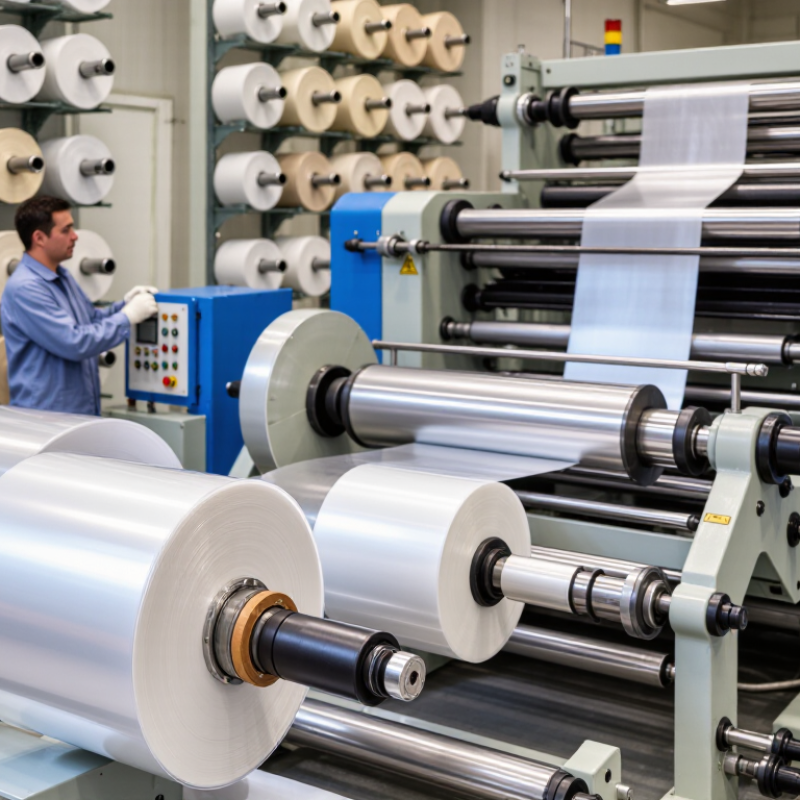
A slitting and rewinding machine converts a wide roll of flexible material into narrower rolls. It unwinds a parent roll, guides the web through cutting stations, then rewinds each strip onto a core. The material may be paper, film, foil, or nonwoven fabric. In practice, the machine’s job is not only to cut. It must also keep the web aligned and tension steady.

The cutting section may use razor, shear, or crush-cut knives, depending on the material and edge requirements. Rewind shafts collect the finished strips, while guides and tension controls help limit wrinkles, telescoping, and uneven roll hardness. Small details matter. A slightly misaligned knife can leave a rough edge; excess tension may stretch thin film. Operators often check blade condition, core fit, and roll diameter during a run. These checks are routine, but easy to rush.

Machine design varies with web width, thickness, speed, and the number of slit lanes. A setup that works well for sturdy paper may not suit delicate film. There is no universal setting. Trial runs and measured adjustments help establish a repeatable process, though some materials remain surprisingly temperamental. A slitting and rewinding machine is both a converting tool and a controlled handling system. It’s not magic.

How Does the Slitting and Rewinding Process Work?

A slitting and rewinding machine turns a wide roll of material into narrower rolls. The operator loads the parent roll onto the unwind shaft and threads the web through rollers toward the cutting section. Guide sensors help keep the material aligned. Tension must stay steady: too little can cause wrinkles, while too much may stretch thin films or deform softer substrates. Small details matter.

At the slitting station, rotary knives or razor blades divide the moving web at preset widths. Blade spacing is checked against the job specification, and worn or poorly aligned blades can leave rough edges or create dust. The slit lanes then travel to separate rewind positions. Rewind tension and shaft settings help each finished roll build evenly, without loose layers or telescoping edges. Operators often inspect the first rolls before continuing.

The exact setup depends on material thickness, stiffness, coating, and roll diameter. Paper may tolerate a different tension range than delicate film. Even with careful settings, the first trial can reveal wrinkles or uneven edges, so adjustments are normal. It is easy to assume that matching the width is enough. It is not. Operators should also check roll firmness, edge quality, and winding consistency during the run.

Which Materials Can These Machines Process?

A slitting and rewinding machine can handle paper, plastic films, foil, laminates, and some nonwoven materials. Common film choices include polyethylene, polypropylene, and PET. The right setup depends on thickness, stiffness, stretch, and surface finish. A thin film may wrinkle under excess tension; foil can crease if web guiding or rewind pressure is poorly adjusted.

The U.S. Flexible Packaging Association reported $42.9 billion in U.S. flexible packaging sales for 2022, reflecting the scale of converting work involving flexible substrates. Still, a large market does not mean every machine suits every material.

PlasticsEurope’s 2024 report estimated global plastics production at 413.8 million tonnes in 2023. That figure covers many uses, not just films, but it shows why film converting remains a significant industrial task. Before choosing equipment, check its supported width and thickness range, tension controls, blade options, and core sizes. Request a trial using your actual roll stock. A sample roll can reveal edge quality and telescoping issues that a specification sheet may miss. I would not assume one setup fits every roll; that assumption can create waste.

Tips: Test the material at production speed, then inspect the slit edges and rewind tension. Record settings for each substrate. A small trial helps.

What Benefits Do Slitting and Rewinding Machines Offer?

Why Choose a Slitting and Rewinding Machine?

What Benefits Do Slitting and Rewinding Machines Offer?

Slitting and rewinding machines convert wide rolls into narrower rolls for specific production needs. For paper, film, foil, or nonwoven materials, accurate width control can reduce trimming waste and later adjustments. Consistent tension also helps prevent wrinkles, telescoping edges, and loose rolls. That matters when rolls feed into printing, laminating, or packaging equipment. Operators can adjust slit widths and winding settings between jobs, reducing changeover time.

Tips: Match blade type to the material, and inspect blade edges regularly. Increase tension gradually; thin film may stretch before defects become obvious. Check roll edges and core alignment during the run, not just at the end.

Results depend on the material, machine condition, and operator skill. Faster is not always better: high speeds can increase defects and make quality checks harder. Small setup errors still happen. A short trial run can reveal them before processing a full batch. Track waste, roll hardness, and splice quality across several jobs. Those records offer a more reliable basis for adjusting settings than speed alone.

What Factors Matter When Choosing a Machine?

Why Choose a Slitting and Rewinding Machine?

What Factors Matter When Choosing a Machine?

The right machine starts with the material, not the advertised top speed. List the web’s width, thickness, stretch, and surface sensitivity, then check that the machine handles your actual range. A film that wrinkles under uneven tension can produce unusable rolls, even when the blade is sharp. Tolerance matters.

Roll dimensions matter too. Confirm maximum unwind and rewind diameters, core sizes, and finished-roll weight against real orders. The Flexible Packaging Association’s 2023 State of the U.S. Flexible Packaging Industry report recorded $42.9 billion in U.S. sales for 2022. That scale highlights why consistent converting and dependable output matter, but it does not mean every plant needs the fastest machine. Test real stock.

Ask how tension is controlled at changing roll diameters, and whether operators can adjust slit width quickly and safely. Compare knife options, changeover time, trim removal, and the availability of routine maintenance support. Request a trial using your own material; inspect edge quality, roll hardness, telescoping, and waste. A specification sheet alone can miss problems that appear during a long run. I would also leave capacity headroom for future products, while avoiding costly features your team may rarely use. The trade-off is real.