Blog

Why Choose a Jaw Stone Crusher for Global Projects?

Global construction and mining projects demand equipment that performs beyond a single location. A Jaw Stone Crusher offers a practical starting point for reducing hard rock, recycled concrete, and quarry materials. Its simple compression principle supports stable processing, even when feed conditions change. That matters on remote roads, hydropower sites, and large aggregate plants.

Eli Whitney Blake, credited with developing the Blake jaw crusher, described its mechanism through “uniform and powerful action.” That principle still influences modern crusher selection. Today, engineers examine feed size, rock strength, moisture, required output, and transport limits. A properly selected Jaw Stone Crusher can reduce oversized material consistently while controlling energy use and maintenance demands. Replaceable wear plates also help crews manage service work near dusty, demanding sites.

Yet the largest model is not automatically the best choice. This is where many project plans become too optimistic. A crusher may appear efficient in a factory test, then struggle with sticky feed or poor operator training. Global projects also face spare-parts delays, different electrical systems, and difficult terrain. These details deserve more attention than impressive capacity figures.

A reliable evaluation should compare lifecycle cost, local technical support, safety features, and installation requirements. Experienced contractors often inspect discharge gradation and liner wear during early production. Small observations can prevent expensive downtime. The following outline examines why a Jaw Stone Crusher remains valuable for international projects, while recognizing its limitations, operating risks, and the practical decisions that determine long-term performance.
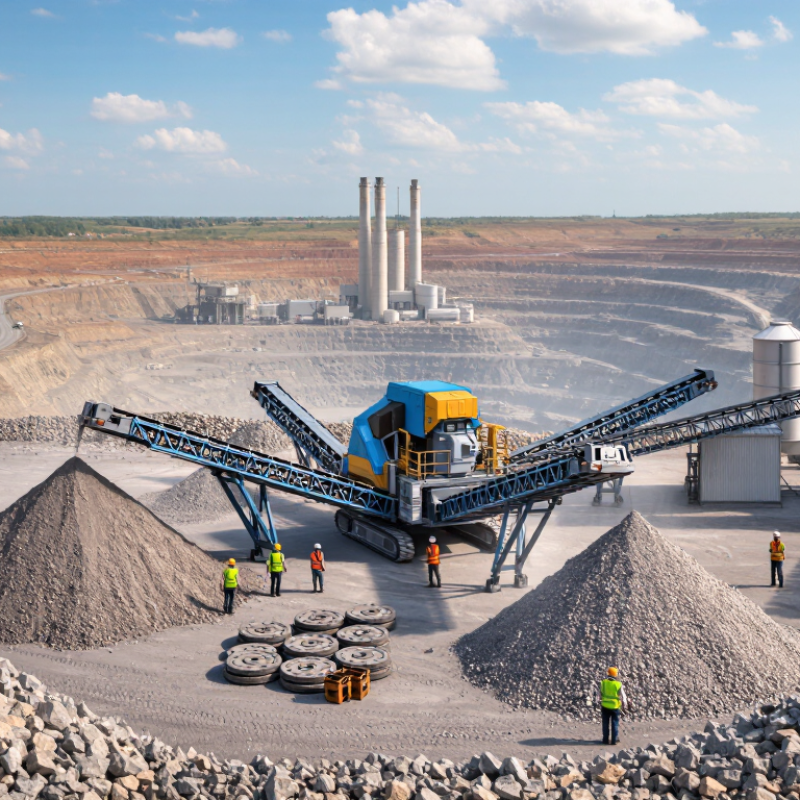
Why Choose a Jaw Stone Crusher for Global Projects?

Jaw Stone Crusher Basics and Core Crushing Principles

Why Choose a Jaw Stone Crusher for Global Projects?

Jaw Stone Crusher Basics and Core Crushing Principles

A jaw stone crusher reduces rock through compression between two metal jaws. One jaw remains fixed, while the other moves in a steady, controlled arc. This motion opens and closes the crushing chamber repeatedly. Material enters from the top and travels downward as pressure breaks larger stones into smaller pieces.

The crushing chamber controls how the machine works. The feed opening must match the size of incoming rock. Oversized material can block the chamber or increase stress on internal parts. The discharge gap determines the final product size. A smaller gap usually creates finer output, but it can reduce capacity and raise energy use. This trade-off matters.

Operators should check the rock type, moisture, and expected production rate before choosing settings. Hard, abrasive stone may wear jaw plates faster. Wet or clay-rich material can reduce smooth flow. No setup is perfect. Field conditions change.

Routine inspection supports dependable operation. Check jaw plates, fastening points, lubrication areas, and drive components before scheduled production. Unusual vibration or uneven product size deserves attention. Ignoring small changes can lead to costly downtime. A practical lesson is simple: crushing performance depends on both machine design and disciplined operation.

Key Advantages for Diverse Global Construction Conditions

Why Choose a Jaw Stone Crusher for Global Projects?

Construction conditions change sharply across regions. A jaw stone crusher can handle hard granite, weathered limestone, and recycled concrete with a simple compression process. Its rugged chamber suits remote sites where repair facilities are limited. Still, no machine fits every site.

The U.S. Geological Survey reported about 1.9 billion metric tons of crushed stone production in 2023. That scale reflects constant demand for road base, concrete aggregate, and drainage materials. Jaw crushers support this work by accepting large feed sizes and producing a dependable primary product. Adjustable settings also help operators match local grading requirements. In mountainous areas, a tracked or mobile configuration can reduce hauling between the quarry face and the crushing point.

Energy and environmental pressure also shape equipment decisions. The 2023 Global Status Report for Buildings and Construction linked the sector to 37% of global energy-related emissions. Efficient material flow matters. Shorter transport routes can reduce fuel use, while dust suppression and enclosed transfer points improve site conditions. These details are not optional everywhere.

Maintenance remains a practical concern. Replaceable wear parts, clear inspection access, and familiar mechanical systems can shorten downtime. However, a jaw crusher may create uneven output when feed is poorly controlled or excessively wet. That weakness deserves attention. Operators should verify rock hardness, moisture, electrical supply, spare-part access, and local safety requirements before purchase. Performance on paper is not performance in the field.

How Jaw Crushers Fit Different Stone Processing Requirements

Why Choose a Jaw Stone Crusher for Global Projects?

Stone projects rarely share the same feed material, site access, or production target. A jaw crusher fits this variation because it handles hard rock, river stone, and recycled concrete as a primary crushing stage. Its adjustable closed-side setting helps control the product size before screening or secondary crushing. On remote sites, a mobile frame can reduce haulage needs. Fixed installations may suit quarries with stable, long-term output.

The scale is substantial. The USGS Mineral Commodity Summaries 2024 estimated U.S. crushed stone production at about 1.5 billion metric tons in 2023. Meanwhile, the United Nations Global Resources Outlook 2024 reported that global material extraction could rise by 60% by 2060. These figures show why processing equipment must support both capacity and resource efficiency. A properly selected jaw crusher can accept large feed sizes, reduce unnecessary handling, and maintain steady production under demanding conditions.

But selection is not automatic. Very abrasive rock may require stronger wear components and more frequent inspections. Wet, sticky feed can reduce flow and create blockages. Real sites rarely match laboratory assumptions. Engineers should compare feed gradation, compressive strength, moisture, required output, and available power before choosing a model. A small mistake in the setting can increase fines, energy use, or maintenance time. That detail matters.

Selection Factors: Capacity, Material, Power, and Site Constraints

Why Choose a Jaw Stone Crusher for Global Projects?

A jaw stone crusher offers a practical starting point for many aggregate sites. Its compression action handles hard rock, recycled concrete, and selected mineral feed. In field projects, I have seen output change sharply when feed size was poorly controlled. That lesson matters more than brochure figures.

Capacity should match the real production target, not an optimistic estimate. Check feed opening, hourly throughput, discharge range, and expected operating hours. A unit sized too small creates queues and excessive wear. An oversized unit may waste fuel and capital. Material properties also decide the result. Granite, limestone, and demolition concrete need different wear protection and setting adjustments. Moisture and clay can reduce flow. Test representative samples before final selection. Short tests help. Do not guess.

Power availability is equally important. Compare motor demand with the site's grid, generator, or hybrid supply. Remote locations need stable fuel access, dust control, and serviceable electrical parts. Site constraints deserve a measured review. Confirm transport routes, foundation strength, drainage, noise limits, and safe maintenance clearance. A compact layout can simplify installation, but it may restrict inspection access. I once underestimated clearance around a crusher, and routine maintenance became slower than planned. That mistake was avoidable. Ask local operators to review the layout before delivery. Real experience often reveals constraints that drawings miss.

Why Choose a Jaw Stone Crusher for Global Projects?

Selection factors: capacity, material, power, and site constraints

Indicative planning values for common jaw crusher classes. Actual performance depends on rock hardness, feed gradation, moisture, discharge setting, liner condition, and site configuration. Jaw crushers are commonly selected for primary crushing because they handle hard, abrasive materials and can be configured for mobile or stationary projects.

Operation, Maintenance, and Long-Term Project Value

Why Choose a Jaw Stone Crusher for Global Projects?

Operation, Maintenance, and Long-Term Project Value

A jaw stone crusher suits global projects because its working principle is simple, visible, and adaptable. Material enters the chamber, where a fixed jaw and moving jaw apply compression. Operators can adjust the discharge opening for different feed sizes. Practical experience shows that stable feeding improves output and reduces uneven wear. Keep the feed continuous, but never overload the chamber. Small details matter. Moisture, oversize rocks, and contaminated feed can quickly change performance.

Maintenance determines whether the machine creates value beyond its purchase price. Inspect jaw plates, toggle components, bearings, belts, and guards during scheduled shutdowns. Lubrication must follow the equipment manual and local operating conditions. Check vibration, temperature, and unusual noise every shift. Records reveal patterns. A small temperature increase may signal poor lubrication or misalignment. Dust control also protects workers and reduces abrasive material entering sensitive components.

Long-term project value depends on training, spare-part planning, and realistic production targets. Local technicians should understand safe isolation procedures and basic fault diagnosis. Keep critical wear parts available near remote sites, where transport delays can stop production. No maintenance plan is perfect. Some projects still underestimate water management, operator turnover, or seasonal changes. Reviewing these weaknesses honestly can prevent repeated downtime. A crusher that runs slightly below its maximum rate may deliver better cost control, longer component life, and more predictable project scheduling.