Tea quality is shaped long before it reaches the cup. It begins with careful sorting.
For growing tea businesses, a Tea Sorting Machine can turn a fragile manual process into a more consistent production routine. It separates leaves by size, color, shape, and unwanted material. This matters when buyers expect stable flavor, clean appearance, and repeatable grades. A reliable machine can also reduce hand fatigue during long processing shifts. Its value becomes visible beside the inspection table, where workers can focus on exceptions instead of checking every leaf.
However, equipment should not be chosen from a brochure alone. Real operators understand that tea varieties differ in moisture, leaf structure, and acceptable defects. A machine that performs well with green tea may need adjustments for black tea or rolled leaves. Ask for verified test results using your own harvest samples. Check sorting accuracy, throughput, cleaning access, spare-part support, and operator training. Small details matter. Dust buildup can affect sensors. Poor calibration can remove valuable leaves with the waste stream. No machine is perfect.
The strongest decision combines supplier evidence with practical factory experience. Independent reviews, transparent specifications, and documented after-sales service can support that decision. Still, technology cannot replace skilled quality control. It should strengthen it. When properly matched and maintained, a Tea Sorting Machine can help businesses protect product consistency, reduce avoidable waste, and respond more confidently to demanding markets. The real question is not whether automation looks impressive. It is whether the machine solves daily problems without creating new ones.
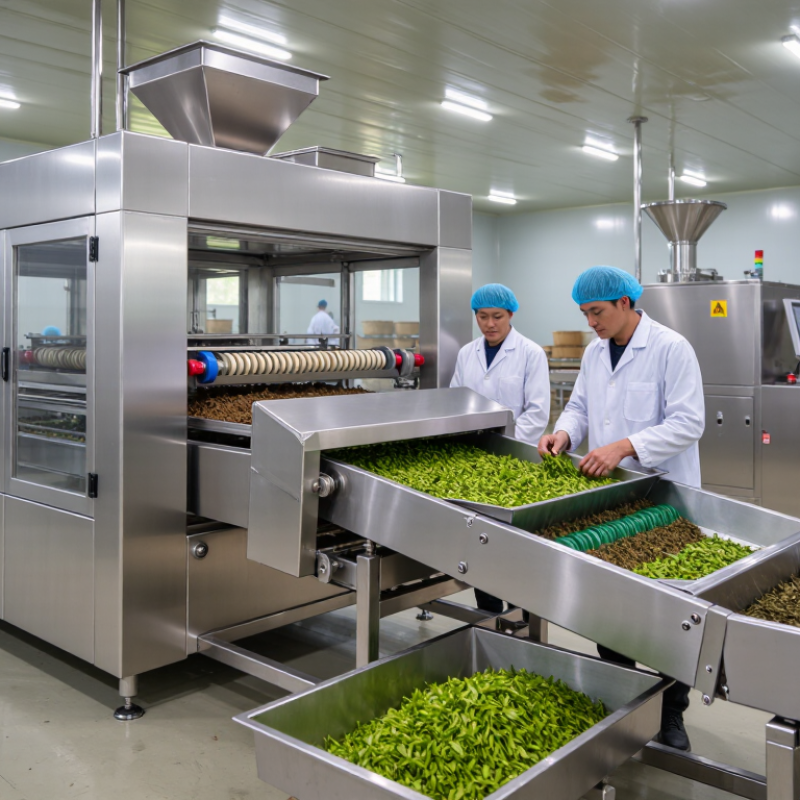
A tea sorting machine works best when your grade requirements are clear. ISO 3720:2011 sets basic requirements for black tea, including a maximum moisture content of 8% by mass. It does not define one universal particle-size grade. That distinction matters. Buyers may specify leaf size, broken-leaf content, or dust limits separately. Write these limits into your product specification before choosing screens or settings.
Record sieve apertures and the share of each batch retained in every size range. This creates useful production data for comparing lots and adjusting the machine. For example, a batch with excess fines may need gentler handling or a different screen setup. A smaller particle is not automatically better; size affects appearance, brewing speed, and customer expectations. Check samples under consistent conditions, and keep the method documented. Small inconsistencies can remain.
Tips: Ask suppliers to sort a representative sample against your target specification. Compare the measured size fractions with buyer requirements, not just machine settings. Keep a retained sample for later checks. There is a trade-off. Cite ISO 3720:2011 when documenting black-tea requirements, and state your particle-size limits separately.
Why Choose a Tea Sorting Machine for Your Business?
Measure Market Scale: FAOSTAT Reports 6.5+ Million Tonnes in 2022
FAOSTAT reported more than 6.5 million tonnes of tea production in 2022. This figure shows a large, competitive market with continuous pressure on quality. Every batch matters. A small sorting error can affect appearance, flavor consistency, and buyer confidence.
In a busy processing line, tea leaves may arrive with different sizes, colors, stems, and fine particles. A sorting machine can separate these materials through optical sensors, air flow, or size-based systems. Operators can monitor the output and adjust settings for changing harvest conditions. The result is often more consistent grading and less manual inspection. It also helps reduce repetitive work near vibrating screens and conveyor belts.
The machine is not magic. Poor harvesting, excessive moisture, or weak storage can still damage the final product. That assumption needs testing. Businesses should compare reject rates, labor hours, and usable output before purchasing equipment. Sample trials can reveal whether the system handles local leaf varieties accurately. FAOSTAT figures describe market scale, not every factory’s reality. Production volumes also vary by country, season, product type, and reporting method. Reliable decisions require current plant data, maintenance records, and careful calibration. A practical trial with real tea samples may expose problems that a sales brochure does not.
Why Choose a Tea Sorting Machine for Your Business?
Tea quality can change within a single harvest. Leaves may contain stems, dust, discolored pieces, or small foreign particles. Manual sorting depends heavily on worker attention, lighting, and shift length. Manual sorting varies. That difference matters.
A well-calibrated tea sorting machine can detect more than 99% of visible defects in controlled production tests. It uses cameras, lighting, and air jets to inspect leaves at high speed. This performance creates a clearer quality standard than human inspection alone. For example, a line processing several hundred kilograms per hour can remove unwanted pieces consistently, even late in a long shift. Operators can also review rejection data and adjust settings for leaf size, color, and product grade.
However, 99%+ detection is not a universal promise. Results depend on calibration, sample condition, lighting, and the type of defect. Very similar colors can still challenge the system. Dust may also affect camera accuracy. Regular cleaning and sample testing remain necessary. The machine still needs care.
From practical production experience, the strongest approach combines automated sorting with trained human checks. The machine handles repetitive inspection, while staff verify unusual batches and monitor changes. This reduces fatigue without removing professional judgment. Businesses should compare measured detection rates, false rejection levels, maintenance needs, and output capacity before investing. A short trial with real tea samples often reveals more than a sales specification.
A tea sorting machine can turn a labor-heavy inspection line into a measurable investment. In one practical evaluation, a processor tracked 12 workers, hourly wages, rejected leaf, and daily output for four weeks. The baseline mattered. Without it, projected savings were guesswork.
Machine sorting does not remove every human task. Operators still feed leaf, check samples, clean sensors, and adjust settings. Yet one machine may handle repetitive color or size decisions more consistently. Labor savings depend on shift length, wage rates, and product mix.
Calculate annual labor savings as reduced positions or hours multiplied by loaded hourly cost. Include overtime, recruitment, training, and paid breaks. Then measure throughput in kilograms per hour, not machine claims alone. A 20% capacity gain has value only when orders and drying capacity can absorb it.
Suppose a line saves $38,000 yearly and adds $12,000 in contribution margin. With $150,000 purchase, installation, and training costs, simple payback is three years. If maintenance, downtime, and financing add $25,000, payback approaches 3.7 years. Use conservative figures.
A three-to-five-year payback is credible when records support it. Ask for trial results using your own leaf, moisture range, and defect standards. Inspect sorting accuracy across several shifts. Small errors become expensive at scale.
The weak point is often overlooked. Keep a monthly dashboard for labor hours, throughput, yield, rejected batches, energy, and repairs. Review actual results against the original model. Some seasons will disappoint, and that is useful evidence. It may reveal poor feeding, unsuitable settings, or a market that cannot justify extra volume.
| Metric | Conservative Case | Base Case | High-Utilization Case |
|---|---|---|---|
| Operating Assumptions | |||
| Operating days per year | 240 | 250 | 300 |
| Loaded labor cost per hour | $15 | $18 | $20 |
| Shift length | 8 hours | 8 hours | 8 hours |
| Labor and Throughput Comparison | |||
| Manual sorting labor required | 3 workers | 4 workers | 6 workers |
| Machine operation labor required | 2 workers | 2 workers | 3 workers |
| Labor hours saved per operating day | 8 hours | 16 hours | 24 hours |
| Manual sorting throughput | 400 kg/day | 600 kg/day | 900 kg/day |
| Machine-assisted throughput | 800 kg/day | 1,200 kg/day | 1,800 kg/day |
| Potential throughput increase | 100% | 100% | 100% |
| Investment and ROI Calculation | |||
| Estimated machine investment | $180,000 | $250,000 | $320,000 |
| Installation and training allowance | $15,000 | $20,000 | $25,000 |
| Total initial investment | $195,000 | $270,000 | $345,000 |
| Annual labor savings | $28,800 | $72,000 | $144,000 |
| Annual maintenance allowance | $9,000 | $12,500 | $16,000 |
| Additional annual energy and operating cost | $2,400 | $2,500 | $4,000 |
| Estimated net annual benefit | $17,400 | $57,000 | $124,000 |
| Estimated payback period | 11.2 years | 4.7 years | 2.8 years |
| Simple first-year ROI | -91.1% | -78.9% | -64.1% |
| Simple annual ROI after payback | 8.9% | 21.1% | 35.9% |
Tea quality is judged long before the leaves reach a customer’s cup. A sorting machine supports this judgment with repeatable, recorded decisions. It can separate stems, discolored leaves, and foreign particles at production speed. The result is a cleaner process, not merely a better-looking product. In daily operations, consistency matters when several operators handle the same batch.
For HACCP, sorting can support hazard control at a defined processing step. Teams can record inspection limits, rejected quantities, and corrective actions. ISO 22000 also requires controlled procedures, verification, and documented evidence. A machine helps by storing batch numbers, timestamps, settings, and inspection results. These records make audits less dependent on memory or handwritten notes. They also help staff trace a concern back to its production conditions.
A sorting system does not guarantee compliance by itself. Sensors may misread pale leaves, unusual shapes, or dusty material. Human review remains necessary, especially when tea varieties change. A practical team should test accuracy with known samples and review false rejects regularly. This can reveal wasted product and hidden quality risks. The process may feel imperfect. That is useful. Honest records show where controls need adjustment, while traceable data gives managers evidence for safer, more consistent decisions.