
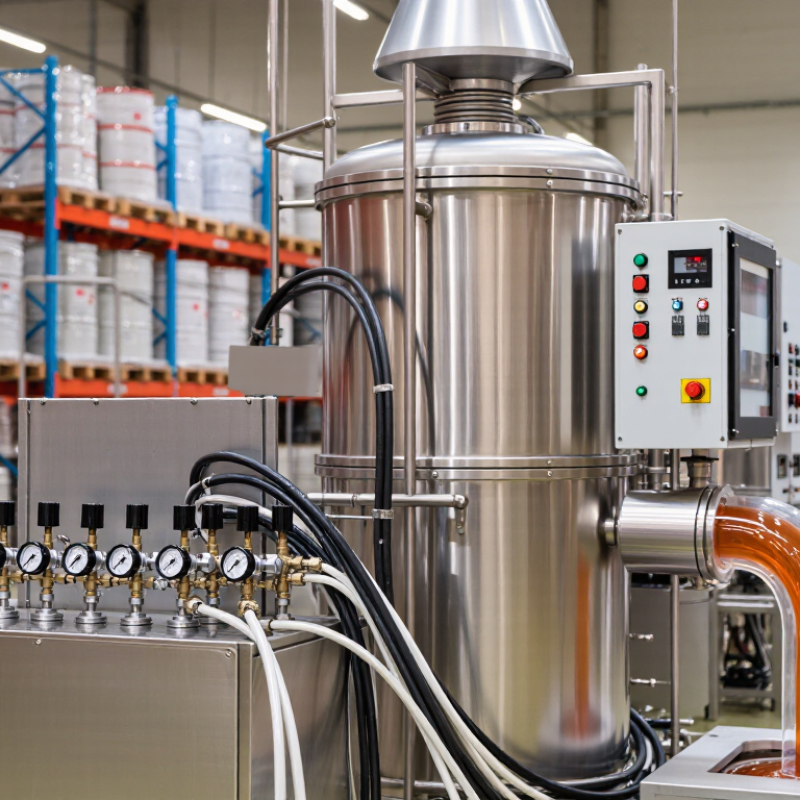
Global drum melter selection is rarely a simple capacity decision. A unit must match local power, climate, transport, and safety conditions. The International Energy Agency reports that industry consumed about 37% of global final energy in 2022. Therefore, heating efficiency deserves serious attention. Insulated vessels, accurate temperature controls, and low-idle operation can reduce avoidable energy use.
Voltage and frequency vary across markets. A 400-volt, 50-hertz supply may suit one site, but not another facility. Engineers should verify electrical infrastructure before shipment. At a coastal warehouse, salt air can corrode exposed steel. In colder regions, a viscous material may need longer heating time. These details affect throughput, maintenance, and operator safety. They are not minor specifications.
Transport also shapes the decision. UNCTAD’s Review of Maritime Transport 2023 states that around 80% of global merchandise trade by volume moves by sea. A drum melter therefore needs secure packaging, manageable dimensions, and accessible replacement parts. Local service capability matters. Very much.
Yet no selection spreadsheet captures every site condition. Assuming identical performance across continents can be wrong. A practical evaluation should combine supplier documentation, on-site measurements, regional electrical standards, and trial heating data. The final choice should reflect real operating habits, not only laboratory ratings.