
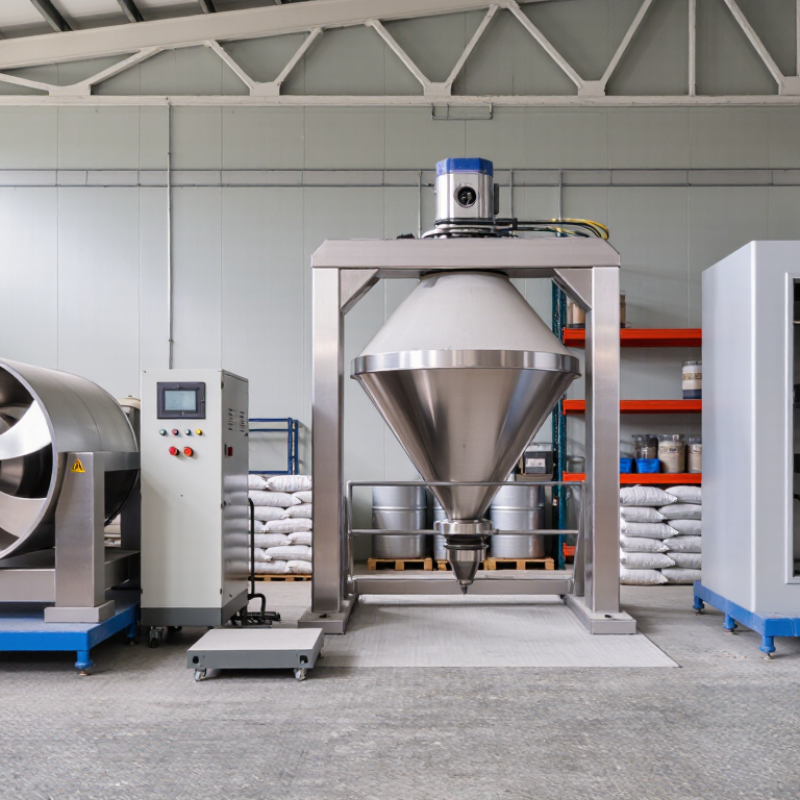
Powder mixing equipment includes tumble blenders, ribbon mixers, paddle mixers, and high-shear units. Each moves material differently, so equipment choice can affect how quickly a blend becomes uniform. But a polished-looking powder is not proof of consistency. A sample taken near the vessel wall may differ from one collected at the center.
Blend uniformity is often assessed using the coefficient of variation, or CV. It is calculated as the standard deviation divided by the mean, then multiplied by 100. A CV of 5% or less is a common target, not a universal guarantee. For example, samples from several locations can be tested for a selected ingredient, then compared across the batch. Small differences matter.
Reliable results depend on representative sampling and a suitable analytical method. A few convenient scoops may miss pockets of concentrated material, especially in a large vessel. Sampling tools, sample size, and test precision all influence the result. Keep those details consistent. If repeated runs show a low CV, that supports uniformity under the tested conditions, but does not automatically predict every batch. I would also examine where samples came from and whether the method can detect meaningful variation. That part is easy to overlook.