Global buyers are reassessing how pressure equipment performs across demanding supply chains. Welded Cylinders remain essential for storing and transporting industrial gases, refrigerants, and specialty gases. Their value depends on more than purchase price. Steel chemistry, weld consistency, fatigue resistance, valve protection, and traceable inspection records all matter.
Grand View Research valued the global industrial gases market at approximately USD 95.7 billion in 2022. Its report also forecasts a 6.3% compound annual growth rate from 2023 to 2030. This expansion supports continued demand for reliable gas-storage equipment. However, market growth does not guarantee product quality. It may even make supplier comparison harder. Reports from MarketsandMarkets and the International Organization for Standardization highlight the importance of cylinder design, testing, material control, and conformity assessment. Buyers should examine standards such as ISO 4706, ISO 9809, and applicable regional pressure-equipment requirements.
A practical observation from pressure-vessel engineer Dr. David A. Hurst is often repeated in engineering discussions: “A cylinder is a pressure vessel first, and a product second.” That principle deserves attention. A polished exterior cannot compensate for weak documentation or inconsistent weld penetration. The best manufacturers combine controlled production with field experience. They understand loading docks, humid warehouses, rough handling, and long-distance transport.
This guide evaluates leading Welded Cylinders manufacturers for global buyers. It considers manufacturing capability, certifications, customization, testing systems, delivery reliability, and after-sales support. No supplier is perfect. Buyers should verify current certificates, audit production evidence, and match each cylinder to its actual gas service. Small oversights can become expensive problems.
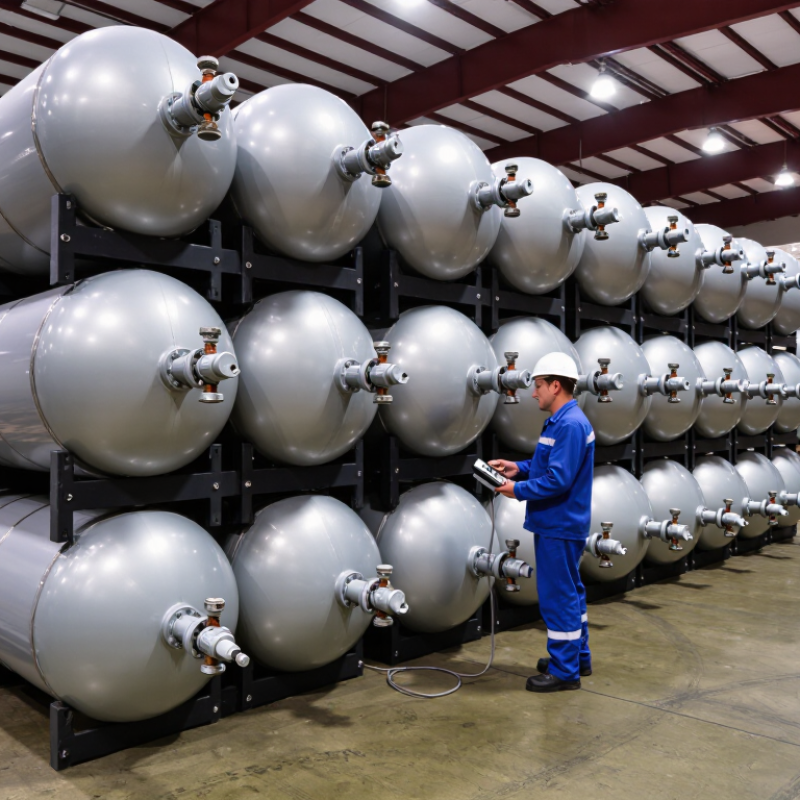
Welded cylinders are pressure vessels made by forming and joining steel sections, usually with circumferential welds. They differ from seamless cylinders, which use a single forged body. Common types include LPG cylinders, refrigerant cylinders, fire-extinguisher cylinders, and selected cylinders for industrial gases. Designs vary by working pressure, volume, valve arrangement, and material grade.
Their applications are practical and visible. LPG cylinders support household, catering, agricultural, and construction fuel supply. Refrigerant cylinders serve maintenance and recovery operations. Fire-extinguisher cylinders protect factories, warehouses, vehicles, and commercial buildings. Some welded designs also support gas distribution in workshops, although gas compatibility must be verified carefully. The World LPG Association’s 2024 Statistical Review reported global LPG demand of approximately 331 million tonnes in 2023. That scale encourages automated welding, consistent coating, and traceable batch inspection.
Reliable purchasing requires more than comparing wall thickness or unit price. Buyers should review design standards, hydrostatic testing, weld inspection, valve quality, corrosion protection, and marking requirements. ISO 22991 and EN 1442 provide important references for LPG cylinders, while local transport rules may add requirements. A practical warning: the cheapest cylinder can become expensive after repainting, rejected valves, or difficult recertification. The boundary is not always tidy. A cylinder suitable for storage may not suit repeated transport, heat exposure, or aggressive industrial environments. Supplier records, test certificates, and independent inspection deserve equal attention.
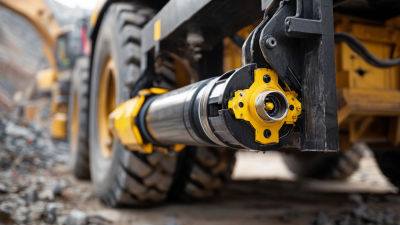
For global buyers, a welded cylinder manufacturer should be judged by evidence, not catalogue claims. Confirm the applicable standard for the cylinder’s gas, service pressure, and destination market. ISO 4706 may apply to refillable welded steel gas cylinders, while regional transport rules can add requirements. Ask for current certificates, scope details, and surveillance records. A certificate without clear product scope is a warning sign. Records matter.
Factory competence appears in the welding process. Review approved WPS and PQR documents, welder qualifications, heat numbers, and filler-metal controls. Inspect joint preparation, fit-up, weld appearance, and traceability from plate to finished cylinder. Reliable plants use qualified non-destructive testing, pressure testing, leak testing, and documented acceptance criteria. Request sample reports, not only blank forms. Independent inspection can verify dimensions, wall thickness, valve threads, and coating performance before shipment.
Quality also depends on consistency after production. Check calibration intervals for gauges, test equipment, and safety devices. Review nonconformance handling, corrective actions, batch retention, and complaint response times. Visit the site when possible, or arrange a remote audit with live production views. Do not ignore packaging. Caps, separators, moisture control, and loading methods affect damage risk. A polished audit may still miss daily shortcuts. Repeat sampling and clear purchase specifications remain necessary. Experience helps, but assumptions still fail.
International buyers need more than a low quotation when selecting welded cylinder manufacturers. A reliable supplier should show documented production experience, stable welding processes, and clear inspection records. Ask for material certificates, weld procedure qualifications, pressure-test reports, and batch traceability. These details reveal how a factory controls quality beyond its sales presentation.
Look closely. A useful factory visit should include plate cutting, forming, welding, leak testing, coating, and final packing. Photographs help, but witnessed inspections provide stronger evidence. Manufacturers serving export markets should understand destination standards, labeling rules, pallet limits, and shipping documents. Requirements differ between regions, even when the cylinder design appears identical. Confirm valve compatibility, working pressure, test pressure, dimensions, and surface treatment before approving samples. Small differences can create delays at customs or during filling operations.
Experienced suppliers usually offer drawings and inspection plans before mass production. That practice reduces misunderstandings between engineering and purchasing teams. Still, no factory is perfect. A missed coating area or unclear revision can become an expensive problem. Require independent inspection when the order is large or technically sensitive. Evaluate response speed too. Slow answers may signal weak after-sales support, although fast replies alone prove nothing. Request references from comparable export projects without relying only on promotional claims. Payment terms, warranty scope, spare parts, and complaint handling deserve equal attention. The strongest manufacturer is not always the cheapest; it is the one that explains limitations and corrects problems with evidence.
| Rank | Manufacturer Profile | Primary Production Region | Typical Cylinder Type | Common Standards | Typical Water Capacity | Typical Working Pressure | Material | Main Export Applications |
|---|---|---|---|---|---|---|---|---|
| 1 | Large-scale industrial cylinder producers | East Asia | Welded LPG cylinders | ISO 22991; EN 1442; local gas-cylinder regulations | 12.5–50 L | 1.6–2.5 MPa, depending on specification | Carbon steel | Household LPG, commercial kitchens, outdoor fuel supply |
| 2 | High-volume pressure-vessel manufacturers | South Asia | Welded propane and butane cylinders | ISO 22991; EN 1442; TPED requirements where applicable | 11–47 L | 1.7–2.0 MPa nominal range | Welded low-carbon steel | Residential fuel distribution, agricultural heating, hospitality |
| 3 | European-regulation-focused manufacturers | Central and Eastern Europe | Transportable welded LPG cylinders | EN 1442; EN 14140; 2010/35/EU TPED | 10–50 L | Up to approximately 2.5 MPa, subject to design approval | Carbon steel with protective coating | European LPG logistics, retail exchange programs, industrial fuel |
| 4 | North American specification manufacturers | North America | DOT-type welded propane cylinders | U.S. DOT 4BA/4BW; applicable national transport rules | 9–45 kg LPG service sizes | Design-specific service pressure, commonly around 1.7 MPa | Welded carbon steel | Propane exchange, barbecue fuel, forklifts, temporary heating |
| 5 | Middle Eastern and North African LPG equipment producers | Middle East and North Africa | Domestic and commercial LPG cylinders | ISO 22991; EN 1442; national conformity requirements | 12.5–50 L | 1.6–2.0 MPa typical design range | Carbon steel | Household cooking, food service, construction and remote-site fuel |
| 6 | Custom-engineered industrial cylinder manufacturers | Southeast Asia | Special-purpose welded pressure cylinders | Applicable ISO, EN, ASME or national code | 20–100 L, project dependent | Project-specific; confirmed by approved design documents | Carbon steel or low-alloy steel | Industrial gas service, mobile equipment, process-fuel systems |
Note: Capacity, pressure and certification requirements vary by design, gas composition, destination market and applicable approval regime. Buyers should verify current certificates, type approvals, inspection records and local import requirements before placing an order.
Top Welded Cylinders Manufacturers for Global Buyers
Manufacturing quality starts with traceable steel, qualified welders, and controlled heat treatment. ISO 9809-1 requires seamless steel cylinders to meet defined mechanical and dimensional criteria. For welded designs, manufacturers should document plate chemistry, weld procedures, and operator qualifications. Every batch needs material certificates, weld inspection records, and pressure-test results. Small gaps in traceability can become serious export problems.
Safety testing must resemble real service conditions. Under the UN Model Regulations and ISO cylinder practices, many designs use a hydrostatic test pressure near 1.5 times working pressure, subject to approval. Inspectors check permanent expansion, leakage, wall thickness, valve threads, and surface damage. ISO 11114-1 also evaluates gas compatibility with cylinder materials. A certificate alone is not enough. PHMSA incident reporting separates failures linked to packaging, loading, and handling, reminding buyers that factory testing cannot control every transport risk.
Reliable manufacturers align production with destination rules, such as UN approval, ADR, TPED, or applicable national registrations. Certification bodies should be independent and clearly identified in audit records. Buyers should request recent test samples, calibration dates, nonconformance rates, and corrective-action evidence. The last point is often ignored. It should not be. A polished inspection file may still hide inconsistent weld penetration or weak record control, so periodic third-party audits and destructive qualification tests remain valuable.
Manufacturing Quality, Safety Testing, and Certification Practices
This chart shows the publication years of major international standards commonly referenced in global gas-cylinder procurement. These standards address cylinder design, materials, manufacturing controls, inspection, testing, and conformity assessment. Publication dates do not represent a manufacturer ranking or a certification status.
Reference sources: ISO 9809-1, ISO 9809-2, ISO 9809-3, ISO 11120, and ISO 7866. Buyers should verify the applicable edition, local regulations, and certificate validity before purchase.
Selecting a welded cylinder supplier requires more than comparing unit prices. Global buyers should examine design control, welding procedures, material traceability, and pressure-testing records. Ask for certificates identifying steel grade, heat number, weld operator, and test date. A reliable supplier can explain how each record follows the cylinder from raw material to final inspection. Look closely at weld appearance. Uneven beads, sharp transitions, or unexplained repairs deserve questions. Small details matter.
Request sample inspection reports before signing a contract. Confirm dimensional checks, leak tests, burst-test methods, and calibration dates for testing equipment. The supplier should also explain capacity, lead times, packaging, and destination-market documentation. Check compliance with recognized standards applicable to the intended market. A video call is useful, but an independent factory audit provides stronger evidence. Speak with technical staff, not only sales representatives. Their answers reveal practical competence.
In my experience, the cheapest quotation can become expensive after rejected batches, delayed paperwork, or replacement freight. That lesson is easy to overlook. Impressive facilities may hide weak change-control systems. Ask how design revisions are approved and how nonconforming cylinders are isolated. Check whether complaints receive written corrective actions with deadlines. Fast communication helps, but clear evidence matters more. Leave room for uncertainty. No supplier is perfect, and a careful buyer should verify every important claim.