Blog

2026 Top Water Meters for Global Buyers to Consider?

As the global market evolves, choosing the right water meters is crucial for various applications. Water meters play a key role in measuring consumption. They ensure accurate billing and promote efficient water management. In 2026, buyers face numerous options. Selecting the best solution can be daunting.

Different types of water meters are available. They range from mechanical to smart models. Each type has its advantages and drawbacks. Some offer advanced features, but complexity may lead to user confusion. Reliability is essential. Flawed meters can create issues, from inaccurate readings to increased costs.

Understanding the unique needs of your application is essential. Not all water meters suit every environment. Conducting research is important. Evaluating factors like budget, installation, and maintenance can help buyers make informed choices. In a market filled with options, thoughtful selection can ensure effective water management for years to come.
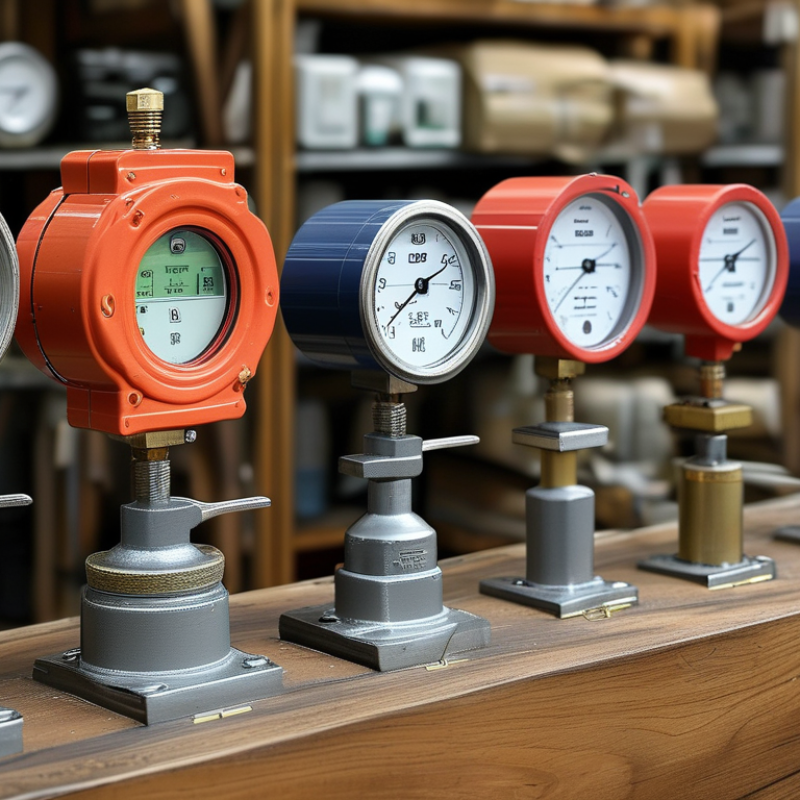
2026 Top Water Meters for Global Buyers to Consider?

Overview of Water Meter Types Available in 2026

In 2026, the selection of water meters has expanded considerably. Buyers now encounter several types that cater to diverse needs. Mechanical, electromagnetic, and ultrasonic meters dominate the market. Each type serves specific situations, from residential consumption to industrial applications. The International Water Association reports that about 40% of meter installations are now digital, highlighting a shift towards smart technology.

Mechanical meters remain popular due to their simplicity and reliability. However, they are less accurate with low flow rates. Electromagnetic meters, while more precise, can be more costly to install. They require a conductive fluid for accurate readings. Ultrasonic meters offer non-intrusive measurement. They work well in challenging environments, though they are still being optimized for various conditions.

Surveys indicate that water loss in aging infrastructure averages around 30%. Upgrading to advanced metering solutions may mitigate this waste. However, not every buyer understands the intricacies of these technologies. Many vendors focus on the latest features, neglecting the importance of user training and support. Reliable data supports the need for ongoing education in understanding water meter functionality and maintenance.

Key Features and Technologies of Modern Water Meters

Modern water meters have evolved significantly, incorporating advanced technologies for enhanced accuracy and reliability. Smart water meters, for instance, utilize IoT (Internet of Things) connectivity to provide real-time data, enabling users to monitor their consumption efficiently. These meters often feature wireless communication, allowing for remote reading and management, which reduces the need for manual meter reading.

Additionally, many modern water meters incorporate ultrasonic technology. This method improves precision, as it measures flow without moving parts. This results in less wear and tear, ultimately extending the lifespan of the device. However, it’s important to note that while these innovations enhance functionality, they may also pose challenges. The complexity of installation and potential integration issues with existing systems can lead to higher upfront costs and potential disruptions.

Furthermore, some users may find it overwhelming to interpret the data provided by digital meters. There is a learning curve associated with understanding consumption patterns and optimizing usage based on the metrics displayed. This underscores the importance of user education and support in effectively utilizing modern water meter technologies. Balancing innovation with usability remains a critical consideration for future developments in the industry.

2026 Top Water Meters for Global Buyers to Consider

Model Type Measurement Range Key Features Technology Price Range ($)
Model A Ultrasonic 0.1 - 300 m³/h High accuracy, Long lifespan IoT Enabled 300-500
Model B Electromagnetic 0.5 - 500 m³/h Maintenance-free, High precision Wireless Data Transmission 400-700
Model C Mechanical 1.0 - 100 m³/h Affordable, Durable Analog Reading 100-300
Model D Smart Water Meter 0.1 - 250 m³/h Remote Monitoring, Leak Detection Cloud Integration 350-600
Model E Turbine 0.5 - 300 m³/h Fast Response, High Flow Rates Analog/Digital Output 200-400

Factors to Consider When Choosing a Water Meter

When selecting a water meter, several factors play a crucial role. Accuracy is paramount. A reliable meter can vary by 1% to 5% in readings, depending on the technology used. For instance, electromagnetic meters tend to offer higher precision than mechanical meters. A report from the International Water Association indicates that inaccurate water meters can lead to significant revenue loss, estimated at around $14 billion annually in the global water industry.

Durability is another key consideration. Water meters should withstand harsh conditions. For instance, meters exposed to extreme temperatures or corrosive environments can suffer failure more quickly. Longevity directly impacts maintenance costs, an important factor for municipal budgets. Research shows that the average lifespan of a meter is about 10 to 15 years, but some advanced models can last up to 20 years if properly maintained.

Installation complexity can influence choices as well. Some meters require professional installation, while others allow for simpler setups. Accessibility to replacement parts is vital too. A shortage of compatible components can result in downtime and increased expenses. Buyers should assess all these factors to ensure that the chosen water meter fits their specific needs. Regular evaluations and updates on best practices in the industry can enhance decision-making, ensuring optimal use of resources.

2026 Top Water Meters for Global Buyers

This chart displays the average water consumption in various sectors, which can help buyers make informed decisions when selecting a water meter based on typical usage patterns.

Top Brands and Models of Water Meters for Global Buyers

When considering top water meters for 2026, several factors come into play. The quality of measurement is crucial. Accurate readings ensure proper billing and effective resource management. Various brands offer models with advanced technology, promising reliability and precision. Some meters now use ultrasonic technology for greater accuracy. This innovation can significantly reduce errors in readings.

Quality and durability are also important. Not all water meters are created equal. Some may face issues in extreme conditions or may not perform well over time. Users need to evaluate materials and construction. Models with corrosion-resistant components tend to last longer. However, their initial costs might be higher.

Installation and maintenance are key considerations. Some meters are easier to install than others. A user-friendly design can save time and reduce installation costs. Routine maintenance is necessary for optimal performance. Yet, some buyers overlook this aspect, leading to subpar results. Selecting a water meter involves weighing these practicalities carefully.

Pricing Trends and Purchasing Options for Water Meters in 2026

As we look ahead to 2026, understanding pricing trends for water meters is crucial for global buyers. Current trends show variable pricing influenced by technology advancements and material costs. Many manufacturers are focusing on smart meter technologies. These could be a bit more expensive, but they offer better efficiency and data management.

Purchasing options are also expanding. Buyers can choose between online retailers and local suppliers. Online shopping provides convenience but may limit support. Local suppliers often offer better service but can have higher prices. Always consider the total cost of ownership, which includes installation and maintenance.

Tips: When evaluating options, check for warranties and support services. Effective planning is essential for keeping long-term costs manageable. Remember that the cheapest option may not always be the best for your needs. Look for features that provide added value.