Choosing the right Lamination Machine can be a daunting task. With various options available, it's crucial to understand your needs. A good lamination machine protects important documents. It ensures durability and a professional look for your projects. Many users overlook essential features, leading to unsatisfactory results.
When selecting a lamination machine, consider its size and capacity. Some machines are designed for small offices, while others suit larger demands. Knowing your intended use will save you time and frustration. Also, pay attention to the type of film you need. Different machines require different laminating pouches. Failing to match these can cause problems.
Additionally, budget plays a key role in your decision-making process. More expensive machines often offer better features, but this isn’t always necessary. Reflect on what you truly need. Sometimes, spending less can lead to a perfectly adequate solution. In the end, a careful evaluation of your options can lead to an ideal choice for your projects.
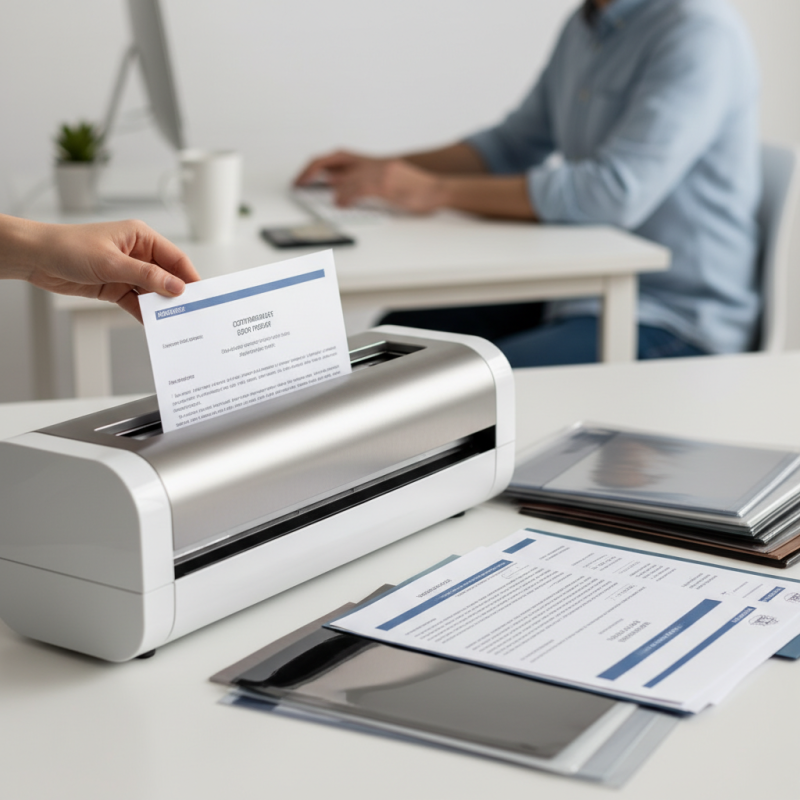
When selecting a lamination machine, understanding the different types available is crucial. There are three primary categories: pouch laminators, roll laminators, and cold laminators. Pouch laminators are often user-friendly. They're suitable for small projects and home use. These machines utilize plastic pouches, making them ideal for photos and documents.
Roll laminators typically offer a wider format. They are perfect for larger projects. According to a recent industry report, the demand for roll laminators has increased by 15% in the last two years. This trend highlights their popularity in educational and business environments. However, these machines can be more complex, often requiring more maintenance. Users should consider their specific needs and approach.
Cold laminators use pressure instead of heat. They are great for sensitive materials. While they are less common, their quality can be impressive. Data shows that cold laminators have a growing niche market, particularly in document preservation. Yet, they may not be suitable for everyone. Each type has its advantages. Reflecting on these options can guide a more informed purchase decision.
When selecting a lamination machine, it's vital to consider several key features. First, evaluate the size of the machine. Compact models are great for small spaces. However, larger machines handle bigger projects. Choose one that fits your workspace.
Next, look at the laminating speed. Some machines work quickly, while others are slower but may offer better control. Consider the projects you'll undertake. If you have many items to laminate, a faster machine could save you time. Don't overlook the temperature settings. Adjustable temperatures allow for various materials. This flexibility can enhance the outcome of your projects.
Another feature to watch for is the thickness of laminating pouches. Not all machines handle the same pouch thickness. This affects durability and finish. Make sure the machine matches your pouch choices. Unfortunately, sometimes machines don’t perform as expected. It's wise to read user reviews and feedback. A machine that seems perfect may not meet your needs after all.
When evaluating lamination machines, power and speed specifications are crucial. The power rating often indicates how efficiently a machine can laminate different materials. For light projects, lower wattage machines can suffice. However, for thicker laminating pouches, machines with higher power are essential. Consider machines with at least 300-500 watts for versatile use.
Speed is another important factor. Look for machines that offer adjustable speed settings. A machine that heats up quickly will save time, especially in busy environments. Yet, be aware that faster doesn’t always mean better. Some users report issues with uneven lamination when using high-speed settings. This can lead to wasted materials and frustration.
It's also vital to consider the warm-up time. A machine that takes too long can disrupt workflow. Some users find themselves waiting endlessly, missing deadlines. It's good practice to check user reviews on this aspect. They often share insights on real-world performance. Keep these considerations in mind while making a choice. You'll find the right balance between power and speed.
| Power (W) | Speed (mm/min) | Max Width (mm) | Warm-up Time (min) | Input Voltage (V) |
|---|---|---|---|---|
| 300 | 1200 | 320 | 5 | 220 |
| 450 | 1500 | 400 | 3 | 110 |
| 600 | 1800 | 500 | 4 | 230 |
| 350 | 1100 | 300 | 6 | 220 |
| 500 | 1600 | 450 | 5 | 240 |
When selecting a lamination machine, assessing size and capacity is critical. The right machine should match your project requirements and workspace. Many businesses overlook their actual needs, leading to inefficient operations. An industry report by the Freedonia Group indicates that the demand for lamination machines is expected to grow by 3.8% annually. This statistic highlights the importance of making informed choices.
Consider the dimensions of your workspace. If your area is limited, a compact model could be beneficial. However, larger machines tend to accommodate higher volume tasks. The American Plastics Council suggests that businesses should analyze their average output, especially if they expect growth. Those producing thousands of documents weekly may require a machine with larger capacity.
It's vital to reflect on the frequency of use. Regular tasks may justify investing in a robust model, while infrequent needs might not. According to a McKinsey report, nearly 25% of businesses report issues stemming from mismatched equipment choices. Investing time in understanding your size and capacity requirements could prevent wasted resources and frustration down the line.
When it comes to purchasing a lamination machine, budgeting is crucial. It influences the features you can afford. Setting a clear budget will help narrow down your choices. Don't forget to consider the long-term costs, such as supplies and maintenance.
Tips for cost-effective choices include researching various models online. Explore user reviews and comparisons. This might seem tedious, but it can reveal the true value of a machine. Look for machines that offer both functionality and efficiency. Sometimes, you might find an affordable model with essential features, but it's essential to think about future needs. Will this machine still be useful in a year or two?
Another tip is to consider the type of lamination you'll do. Different machines serve different purposes. For occasional use, a lower-priced, lighter-duty machine might suffice. If you plan to laminate frequently, investing a bit more could save money over time. Avoid impulse purchases; reflect on both current and future requirements. A good deal today might not look so good later on.