
China’s installed power-generation capacity reached about 3.35 terawatts in 2024, according to national energy statistics. That figure describes the country’s total generating fleet, not the output of generator factories. The distinction matters. A larger installed base suggests broad demand for turbines, engines, alternators, controls, and maintenance, but it does not mean every supplier offers the same technical depth.
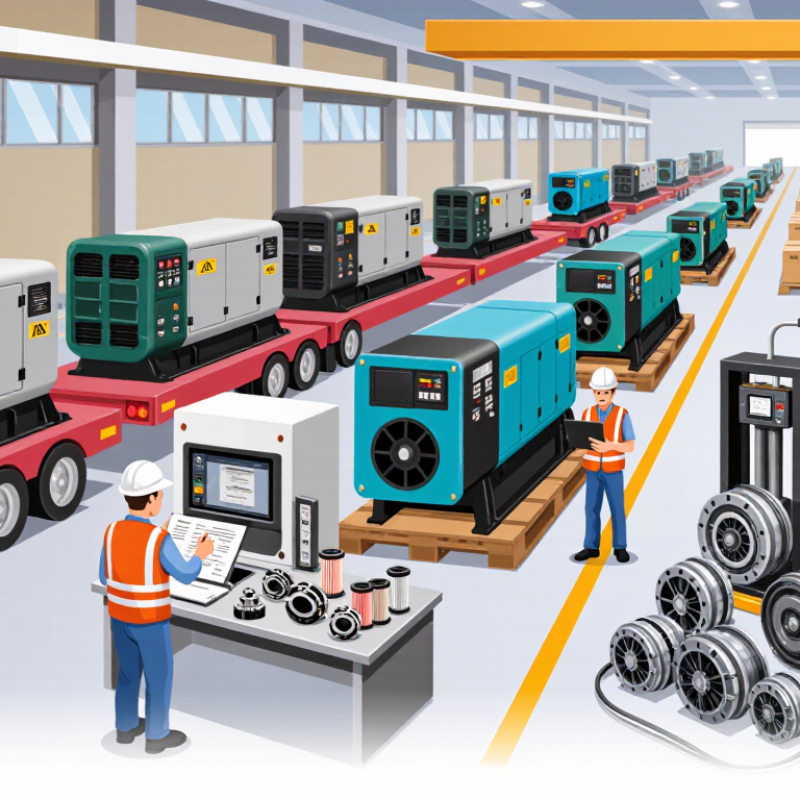
Manufacturers serve different needs: standby sets for hospitals and data centers, mobile units for construction sites, and larger systems for industrial operations. Buyers can compare rated and standby power, fuel consumption, emissions data, noise levels, spare-parts access, and service response. Test reports and clear warranty terms offer more useful evidence than a dramatic capacity claim. Site conditions matter, too. Heat, dust, altitude, and changing loads can affect performance.
China’s 2024 capacity mix also reflects rapid renewable additions, making flexible generation and backup relevant to system planning. Yet installed capacity is not the same as electricity actually produced, and a national total says little about one machine’s reliability. That detail is easy to overlook. For supplier assessment, request factory test records, component specifications, and references from comparable projects. I would treat headline numbers cautiously: they describe scale, not workmanship.