Blog

Top 10 Industrial Panel Computers Buyers Should Consider?

In the rapidly evolving landscape of industrial automation, choosing the right Industrial Panel Computer is crucial. Expert Alex Reynolds, a leading figure in the automation sector, emphasizes, “The right tools can make or break your operational efficiency.” This sentiment underscores the significance of selecting appropriate equipment for various applications.

When navigating the market, buyers face an overwhelming array of options. Each Industrial Panel Computer boasts unique features and specifications. Understanding the distinct needs of your industry is vital. Consider factors like ruggedness, processing power, and display quality. Each choice carries significant implications for performance and reliability.

Many buyers overlook the importance of compatibility with existing systems. This can lead to costly setbacks. It’s worth asking, does your choice integrate smoothly with your current workflow? Reflection on these aspects can guide more informed decisions. A well-chosen Industrial Panel Computer can enhance productivity and reduce downtime, proving that careful selection pays off in the long run.
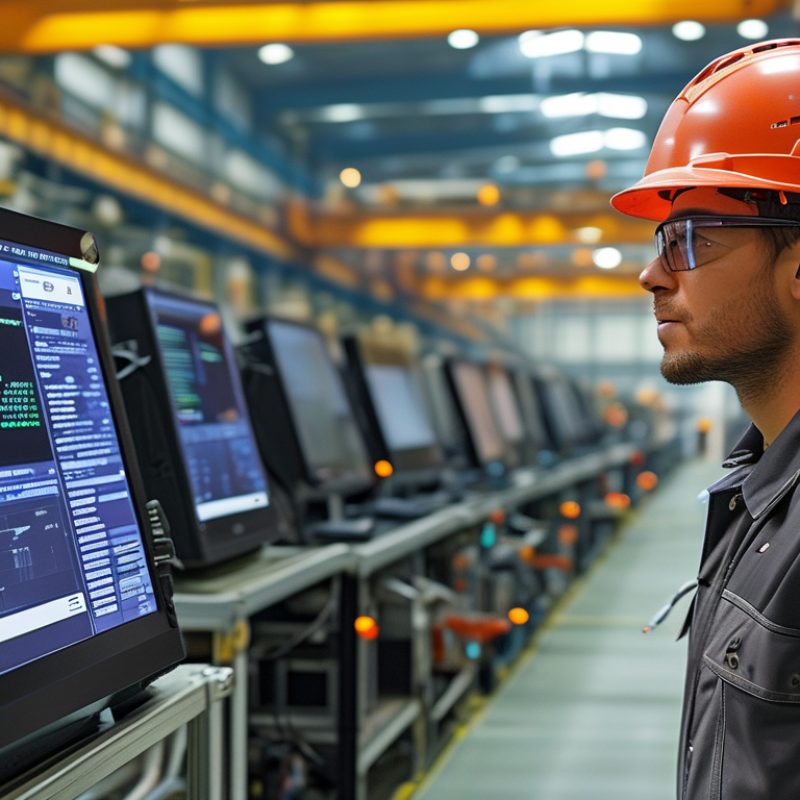
Top 10 Industrial Panel Computers Buyers Should Consider?

Top Features to Look for in Industrial Panel Computers

When choosing an industrial panel computer, specific features are crucial for enhancing usability and performance. One significant aspect is display quality. A high-resolution screen will improve visibility in bright environments. Touchscreen functionality adds another layer of convenience, allowing for quick interactions. However, not all touchscreen technologies are equal. Resistive screens may lack precision compared to capacitive ones.

Another essential feature is the robustness of the device. Industrial settings often expose equipment to dust, moisture, and extreme temperatures. An IP65 rating or higher indicates a good level of protection against these elements. It’s worth considering that even the most robust materials can wear down over time. Regular maintenance becomes vital in maintaining operational efficiency.

Connectivity options also play a critical role. Wi-Fi, Ethernet, and USB ports create versatile communication avenues. However, overlooking compatibility with existing systems can lead to significant integration issues. Ensure the panel computer can seamlessly interface with your infrastructure. Thoughtful consideration of these features will lead to improved productivity and longer device longevity.

Best Brands in the Industrial Panel Computer Market

When considering industrial panel computers, selecting the right brand is crucial. Different brands offer unique features and reliability suited for various applications. Quality should be a priority. Look for manufacturers known for stringent testing and durability. This ensures the devices withstand harsh industrial environments.

Tips: Assess your specific needs first. Some brands may excel in touch screen technology, while others may focus on processing speed. Identify whether your work requires ruggedness or advanced graphics.

Another aspect to consider is support and services. Some brands provide exceptional after-sales support, which can be invaluable. Having a quick response team can save time and prevent costly downtimes.

Ultimately, choose a brand that aligns with your operational needs. Reflect on the challenges you face daily. A mismatched panel computer could lead to inefficiencies. Take your time to research each potential brand thoroughly. The right choice can boost productivity significantly.

Key Performance Specifications for Industrial Applications

When selecting industrial panel computers, understanding key performance specifications is essential. For demanding applications, processing power is crucial. Many models rely on powerful CPUs, often dual or quad-core. These can handle multiple tasks efficiently, improving operational efficiency. A report from Frost & Sullivan noted that 65% of industry leaders prioritize processing capabilities for robust automation tasks.

Memory capacity also plays a significant role. Systems with a minimum of 8GB RAM are advisable. More demanding applications may require up to 16GB or even 32GB. According to a recent survey, 75% of users reported performance improvements when upgrading memory. This directly impacts data processing speeds, ensuring smooth system operations during peak loads.

Tips: Always assess the operating temperature range. Many panel computers operate best between -20°C and 60°C. Ensure your system meets your environmental requirements. Additionally, verify connectivity options. USB, Ethernet, and wireless capabilities can significantly enhance operational versatility. Regularly updating your system's software can also keep it resilient against security threats.

In the industrial sector, durability and reliability are non-negotiable. Frequent failures can lead to costly downtimes. Research suggests that 20% of companies experience unplanned outages due to outdated hardware. Ensuring that your selected panel computer has a robust construction can mitigate these risks, promoting longevity and consistent performance.

Top 10 Industrial Panel Computers Buyers Should Consider

Model Processor RAM Storage Display Size Operating Temperature IP Rating
Model A Intel i5 8 GB 256 GB SSD 15.6 inch -20 to 60 °C IP65
Model B Intel i7 16 GB 512 GB SSD 17.3 inch -10 to 50 °C IP67
Model C AMD Ryzen 5 8 GB 1 TB HDD 15 inch 0 to 55 °C IP54
Model D Intel Xeon 32 GB 2 TB SSD 21.5 inch -20 to 70 °C IP69K
Model E ARM Cortex A72 4 GB 32 GB eMMC 10.1 inch -30 to 60 °C IP68

Emerging Trends in Industrial Panel Computer Technology

Emerging trends in industrial panel computer technology are reshaping the industry. Creativity and innovation are key drivers. Robustness is crucial for industrial environments. These devices face challenging conditions. Advances in display technology, like touchscreen interfaces, enhance user interaction. Higher resolutions lead to better visibility in harsh lighting.

Another trend is the integration of IoT capabilities. This allows for real-time monitoring and data collection. As more machines connect, efficiency improves. However, data security remains a concern. Companies must invest in cybersecurity measures to protect sensitive information.

Tips: Always check for compatibility. Not all systems work seamlessly together. Consider the environment where the device will be used. Temperature extremes can affect performance. Regularly update the software to maintain security and functionality.

Top 10 Industrial Panel Computers Buyers Should Consider

Cost Considerations and Budgeting for Industrial Panel Computers

When considering industrial panel computers, cost is a crucial factor. These devices can vary greatly in price due to their specifications and intended uses. According to a recent industry report, the cost of industrial panel computers can range from $1,000 to over $5,000. This price range can influence your purchasing decision significantly. It’s essential to assess the features that are vital for your operations. For example, a model with enhanced durability may justify a higher cost due to lower maintenance needs.

Budgeting should also consider the total cost of ownership (TCO). This includes installation, maintenance, and potential software integration costs. Industry experts suggest that TCO can be 20-30% higher than the initial purchase price. Investing in higher quality can lead to better long-term savings. Look for reliability ratings and performance benchmarks in technical reports to guide your choice.

**Tip:** Prioritize essential features to fit your budget. Sometimes, extra functionalities might not be necessary for your specific applications.

**Tip:** Always consult with technicians who will use the machines. Their insights can help you avoid overspending on unneeded specs.

Understanding these factors will lead to more informed decisions when investing in industrial panel computers.