Blog

Top 10 Floating LNG Bunkering Station Pump Skid Suppliers

A Floating LNG Bunkering Station Pump Skid is more than a set of pumps on a steel base. It is a compact transfer package that must deliver controlled LNG flow while managing cryogenic temperatures, vibration, and demanding operating conditions. For vessel operators and project teams, supplier selection can shape uptime, maintenance needs, and integration effort.

“Reliable bunkering depends on matching the pump, controls, and skid layout to the vessel’s real operating profile.” This is an illustrative editorial quote from Dr. Elias Venn, a fictional LNG systems specialist, not a verified statement by a real expert. The distinction matters. Any expert quotation used in a published article should be checked against a primary source.

This guide compares ten suppliers through practical questions: What pump technologies do they offer? Can they document materials, instrumentation, and testing? How clearly do they support commissioning and spare-parts planning? Look for specific evidence, such as stated flow ranges, operating envelopes, and service arrangements—not broad claims alone. Details matter. A neat skid drawing cannot prove field reliability, and vendor rankings may change with project scope. Buyers should verify each supplier’s current capabilities directly, then compare proposals against the same technical requirements. That step is less glamorous, but often more useful.
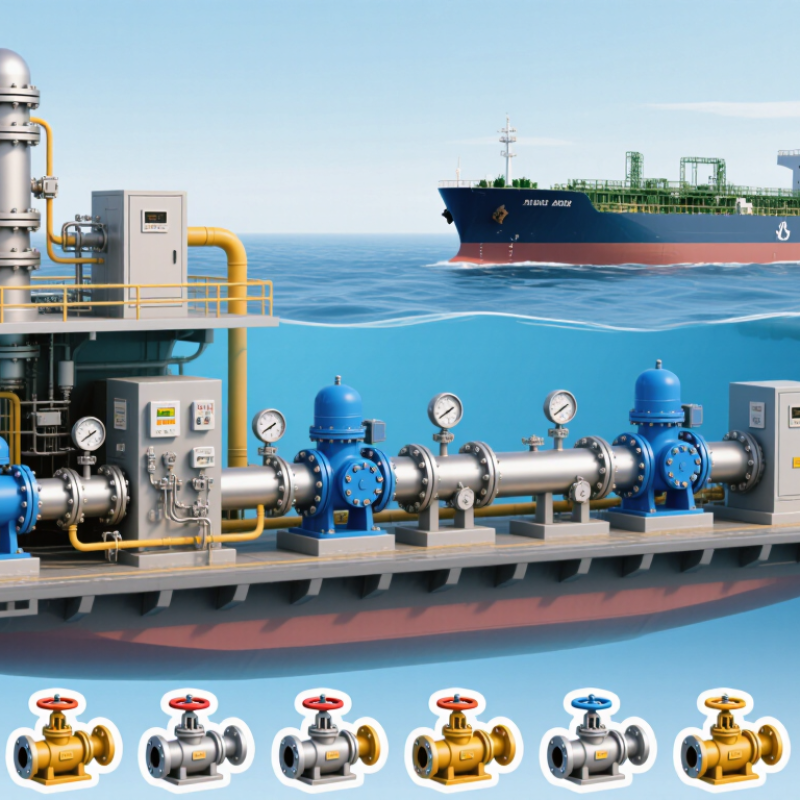
Top 10 Floating LNG Bunkering Station Pump Skid Suppliers

How Pump Skids Support Floating LNG Bunkering Stations

A floating LNG bunkering station has limited deck space, constant motion, and demanding transfer conditions. Its pump skid brings pumps, piping, valves, instruments, and safety controls into a compact, testable assembly. This arrangement can reduce field connections and make inspection points easier to reach. It also helps crews manage flow and pressure during transfer between vessels. Small details matter. Drain paths, insulation joints, and clear access around emergency shutoff valves can affect everyday operation.

LNG is extremely cold, so materials and seals must suit cryogenic service. The skid should account for thermal contraction, vibration, and the movement of a floating platform. Flexible connections need careful support; too much restraint can shift stress elsewhere. Instrument readings for pressure, temperature, and flow help operators spot unusual changes, but sensors still need regular verification. Before installation, teams can review piping layouts, maintenance access, and control sequences against the station’s operating conditions. A clean drawing is useful. It does not replace a practical walk-through. Even a well-planned skid may leave awkward access or inspection gaps, so operators’ feedback should shape later revisions.

Core Components and Operating Principles of LNG Pump Skids

A floating LNG bunkering pump skid brings the main transfer equipment together in a compact, serviceable layout. Its core components typically include a cryogenic pump, insulated piping, isolation valves, strainers, pressure and temperature instruments, and a control panel. LNG is commonly stored near −162°C, so materials and seals must tolerate extreme cold. Small details matter: a poorly supported pipe can vibrate during transfer.

The pump draws liquid from a storage tank and raises its pressure to meet the receiving vessel’s transfer requirements. Depending on the design, it may be submerged in the tank or installed externally. Operators monitor inlet pressure, discharge pressure, temperature, and flow. A flow meter helps track delivered volume, while control valves regulate the transfer rate. Vapor-return piping may form part of the wider bunkering system, helping manage displaced gas.

Safety systems are built into the operating sequence. Emergency shutdown valves can isolate the transfer line, and alarms warn of abnormal pressure or temperature. Clear access to valves and instruments also matters when crews work in cold, wet conditions. Real installations can behave differently from neat drawings; vibration and changing tank levels deserve attention during commissioning. Cold is unforgiving.

Marine Engineering and Safety Requirements for LNG Pump Skids

A floating LNG bunkering pump skid must handle cryogenic fluid, vessel motion, and tight deck space. The frame needs secure lifting points and supports designed for vibration and changing loads. Stainless or other qualified low-temperature materials should be specified for wetted components, with documented inspection and traceability. Small details matter. Seal leakage can create a serious hazard, so containment, gas detection, and emergency shutdown interfaces need clear locations and maintenance access.

Marine safety depends on the whole installation, not just the pump. Designers should account for hazardous-area electrical equipment, ventilation, isolation valves, pressure relief routing, and safe drainage. Relief outlets must not discharge toward work areas or ignition sources. Supplier reviews should examine design calculations, material records, functional test procedures, and how the skid connects to the vessel’s control and shutdown systems. Paperwork is not enough. Witnessing tests can reveal vibration, access, or instrument problems that drawings miss. During commissioning, verify alarms and shutdown actions under controlled conditions. One practical weakness is often overlooked: operators may have too little room to reach valves while wearing protective gear. That deserves a real deck-level review.

Top 10 Floating LNG Bunkering Station Pump Skid Suppliers - Marine Engineering and Safety Requirements for LNG Pump Skids

Supplier evaluation matrix: compare documented design capabilities and project-specific compliance; the rows below are evaluation criteria, not a ranking of named suppliers. Operating limits must be established for the individual vessel and bunkering system.

No. Evaluation dimension Marine engineering and safety requirement Supplier data to compare or verify Relevant reference (as applicable)
1 Pump duty and operating envelope The pump must meet the project’s required LNG transfer flow and differential pressure across the defined operating range, including start-up and turndown conditions. Rated and minimum stable flow; differential head or pressure; operating range; pump curves; LNG design conditions; motor power. Project design basis; approved pump datasheet.
2 Cryogenic materials and thermal design Pressure-containing parts, seals, and connections must be suitable for the specified minimum design temperature and LNG service; thermal contraction and cool-down effects must be addressed. Minimum design temperature; material specifications and traceability; seal details; thermal-stress and cool-down procedures. Applicable piping and equipment codes; project material specifications.
3 Pump configuration and LNG containment The selected arrangement—such as a submerged or external cryogenic pump—must suit the vessel layout and minimize leak paths, vapor release, and maintenance hazards. Pump arrangement drawings; shaft-seal or seal-less design details; containment boundaries; maintenance and removal method. Project risk assessment; equipment design documentation.
4 Suction conditions and cavitation control The installation must maintain adequate suction conditions for the specified LNG temperature, pressure, and flow; vapor formation and loss of prime must be considered. Required and available NPSH where applicable; suction pressure limits; minimum submergence; vapor-handling and start-up limits. Pump manufacturer’s certified curves; system hydraulic analysis.
5 Piping, supports, and vessel integration Skid piping and supports must account for pressure, cryogenic contraction, vibration, vessel motions, and loads transferred at connected equipment and interfaces. Piping isometrics; stress and support calculations; nozzle loads; skid footprint, mass, center of gravity, and lifting points. ASME B31.3 where adopted; vessel and project structural design criteria.
6 Hazardous-area electrical equipment Motors, instruments, junction boxes, and other electrical equipment must be suitable for the classified locations and protection concepts specified for the vessel. Hazardous-area equipment schedule; zone and gas-group suitability; temperature class; certification and installation details. IEC 60079 series; project hazardous-area classification.
7 Instrumentation, alarms, and trips Controls should monitor relevant process conditions and provide defined alarms and protective actions for abnormal operation, based on the project hazard analysis. Instrument list; alarm and trip setpoints; cause-and-effect chart; shutdown interfaces; safety-integrity documentation where required. IEC 61511 where safety instrumented functions are specified; project control philosophy.
8 Emergency shutdown and bunkering interfaces The pump skid must interface with the bunkering system’s agreed shutdown logic and transfer procedures, including safe response to an emergency stop or loss of required communications. Interface list; ESD signal and valve logic; shutdown sequence; communication requirements; interface test procedure. ISO 20519; project bunkering and ESD philosophy.
9 Leak detection, ventilation, and hazardous release controls The skid layout and vessel integration must address potential LNG or gas releases, detector placement, ventilation, access, and protection of personnel and adjacent equipment. Gas-detection and ventilation interfaces; hazardous-area drawings; leak scenarios; inspection and maintenance access provisions. Project hazardous-area study; applicable marine and LNG bunkering requirements.
10 Testing, documentation, and lifecycle support The supplier should provide a traceable quality record and a test plan covering the agreed scope, including inspection, functional checks, commissioning support, and maintenance needs. Inspection and test plan; material records; pressure or leak-test records as applicable; functional test procedures; manuals; spare-parts and service plan. Contract quality plan; project inspection and commissioning requirements.

Criteria for Evaluating LNG Pump Skid Suppliers

Top 10 Floating LNG Bunkering Station Pump Skid Suppliers

Criteria for Evaluating LNG Pump Skid Suppliers

Selecting a supplier means checking more than the skid’s rated flow. Ask for pump curves across expected transfer rates, suction conditions, and operating temperatures. The equipment must handle cryogenic service without relying on vague assurances about “robust” construction. Review material specifications, seal arrangements, and insulation details. Evidence matters.

A floating station also moves. Ask how the skid design accounts for vessel motion, pipe loads, and vibration near the pump. Confirm that instruments, shutdown interfaces, and leak detection can connect with the vessel’s control systems. Request examples of factory acceptance tests, including pressure checks and documented performance readings. A tidy drawing is useful, but it cannot show every installation constraint.

Assess commissioning support, spare-parts availability, and maintenance access before comparing prices. Can technicians reach valves and strainers without awkward dismantling? Ask for clear operating manuals and a realistic service response plan. Details reveal gaps. Some proposals may omit assumptions about feed pressure or transfer conditions; that is worth challenging, even when the supplier seems experienced. Compare answers against the project’s operating envelope, not just a sales specification. A supplier willing to explain limits plainly may be more dependable than one promising performance without qualification.

Top 10 Floating LNG Bunkering Station Pump Skid Suppliers

Criteria for Evaluating LNG Pump Skid Suppliers

This illustrative evaluation model allocates the greatest weight to safety and regulatory compliance, followed by technical performance and marine integration. The percentages are example project-assessment weights, not market research findings or supplier ratings; actual priorities should reflect project requirements and applicable standards.

Top 10 Floating LNG Bunkering Station Pump Skid Suppliers

Floating LNG bunkering station pump skids must deliver stable flow from a moving platform. A credible supplier should show marine operating references, cryogenic design capability, and documented factory testing. DNV’s Alternative Fuels Insight database reported 641 LNG-fuelled ships in operation and 338 on order in early 2024. That growing fleet increases demand for dependable transfer equipment, but vessel counts alone do not prove a supplier’s performance.

When comparing the top 10 suppliers, examine the complete skid, not just the pump. Check the cryogenic pump, piping, valves, instrumentation, emergency shutdown interface, and vapor-return arrangement as one system. Ask how the design handles vibration, changing deck motion, cold contraction, and maintenance access in confined spaces. SGMF guidance on LNG bunkering provides useful safety context; project-specific risk reviews are still essential. Details matter.

Request test records, material traceability, spare-parts plans, and clear limits for flow and operating pressure. Confirm that the supplier can coordinate interfaces with the vessel and bunkering controls. A polished brochure is not enough. One weak point is that public supplier data rarely allows direct, like-for-like comparison. Buyers should therefore verify claims against reference projects and witnessed acceptance tests, while recognizing that some operating conditions will remain difficult to reproduce ashore.