Blog

China Top Swagelok Stainless Steel Tubing Suppliers?

Finding reliable Swagelok Stainless Steel Tubing suppliers in China takes more than comparing prices. Buyers should clarify whether they need genuine Swagelok-branded products or tubing made to compatible specifications. Those are not automatically the same thing. Clear product descriptions help prevent costly misunderstandings.

A useful supplier review starts with traceable documentation. Ask for material certificates, product specifications, and batch identification that match the quotation. Check dimensions, wall thickness, alloy grade, and surface condition against your application. For example, a small difference in outside diameter can affect a fitting connection. Request sample inspection or third-party testing when the project warrants it, and confirm how quality issues are handled. These steps provide evidence, not guarantees.

Communication matters, too. A supplier should answer technical questions directly, explain lead times, and state what its inspection process covers. Look for relevant quality-system records, but verify their scope and validity rather than relying on a logo or a polished website. This takes time. It can feel repetitive. Still, that repetition is often where gaps appear. No checklist can remove every sourcing risk, and supplier claims deserve careful review. The guide below outlines practical ways to compare Chinese suppliers, assess documentation, and ask better questions before placing an order.
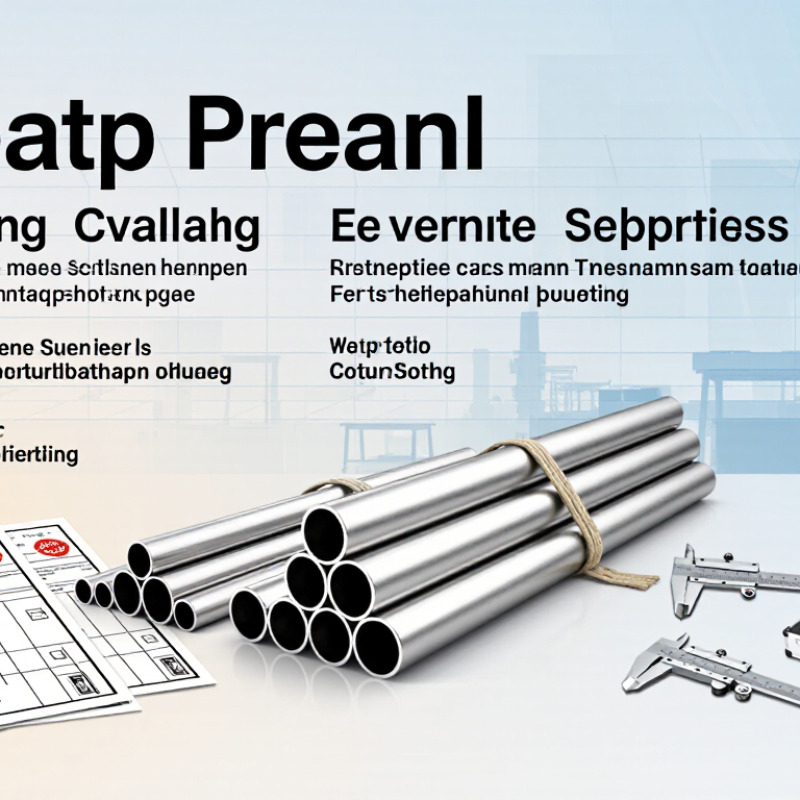
China Top Swagelok Stainless Steel Tubing Suppliers?

What Defines a Swagelok Stainless Steel Tubing Supplier in China?

A credible stainless steel tubing supplier in China is defined by evidence, not a broad product list. It should provide heat-number traceability, material test certificates, and clear records for dimensions, wall thickness, and surface finish. For instrumentation tubing, buyers can check whether the specified grade and tests align with ASTM A269 or the project’s own requirements. Ask for sample inspection records, too. Paperwork matters.

Manufacturing control should be visible on the shop floor: calibrated measuring tools, segregated material, and documented inspection steps. Relevant checks may include chemical composition, tensile properties, and eddy-current or hydrostatic testing, depending on the order. The 2024 production figures from worldstainless reported 58.4 million tonnes of global stainless steel production in 2023. That scale shows a mature raw-material market, but it does not prove any individual supplier’s tubing quality. A supplier should explain how it controls each production lot. Some answers may still be vague; that is a reason to probe further.

Tips: Request a recent certificate linked to a marked tube sample. Compare its heat number, grade, dimensions, and test results. Confirm lead time and packaging details in writing. Small mismatches matter.

Common Tubing Grades, Sizes, and Manufacturing Standards

Common Tubing Grades, Sizes, and Manufacturing Standards

Stainless tubing selection starts with grade, dimensions, and service conditions. Grade 304 suits many general applications, while 316L offers better resistance to chloride-related corrosion. Grade 321 is often considered where elevated temperatures matter. These grades are not interchangeable. Small details matter.

Common instrument-tubing outside diameters include 1/8, 1/4, 3/8, and 1/2 inch, with wall thicknesses selected for pressure and installation needs. These are market examples, not a universal size range. The World Stainless report Stainless Steel in Figures 2024 records 58.4 million tonnes of global stainless crude-steel production in 2023. That scale reflects diverse products and mills, but it does not prove a particular tube’s quality. Ask for traceable material certificates and dimensional inspection records.

For manufacturing references, ASTM A269 covers seamless and welded tubing for general corrosion-resisting service; ASTM A213 covers boiler, superheater, and heat-exchanger tubing. Confirm the exact grade, manufacturing route, heat treatment, and applicable edition on the purchase specification. I would not assume “316L” alone guarantees performance: weld quality, surface condition, and fluid chemistry also matter. Small omissions can cause costly rework.

How to Assess Supplier Quality and Product Compatibility

Reliable stainless steel tubing starts with evidence, not a polished catalog. Ask suppliers for material test reports linked to each heat number and dimensional inspection records. Check outside diameter, wall thickness, ovality, and surface condition against your drawings. A sample cut can reveal burrs, scratches, or uneven finishing that product photos may hide. One sample, however, cannot prove every batch is consistent.

Compatibility depends on more than the steel grade. Match the tubing material to the conveyed fluid, operating temperature, pressure, and cleaning method. Confirm that its outside diameter and wall thickness suit the fittings and connection method in your system. Also check bend radius and available installation space; a tube that looks suitable on paper may kink during routing. A checklist helps, but it can still miss an unusual operating condition, so share actual service details with the supplier.

Tips: Request traceable records, inspect a representative sample, and confirm dimensions before ordering. Compare the supplier’s tolerances with your drawings, not just nominal sizes. Keep one unresolved question on the review list; assumptions are easy to overlook.

Types of Chinese Suppliers Serving Swagelok Tubing Applications

Chinese suppliers serving precision fluid-system applications usually fall into three groups: tubing mills, specialist distributors, and custom processing companies. Each fills a different need. Direct mills may offer stainless tubing in standard sizes, with control over production batches and material documentation. Distributors can be more flexible when buyers need mixed dimensions or smaller quantities. Custom processors may cut, deburr, clean, and package tubing to project requirements.

Details matter. Buyers should compare outside diameter, wall thickness, alloy grade, tolerances, and surface condition against the application’s specifications. Ask for traceable material certificates and inspection records, not just a product sheet. For high-pressure service, confirm that the tubing’s rating matches the full system design; a fitting’s rating alone is not enough. A clean cut helps, but it does not prove the tube end is properly prepared.

Some suppliers combine manufacturing and processing, which can simplify coordination. Others rely on partner workshops, so ask where cutting and cleaning actually occur. That distinction is easy to miss. Samples can reveal scratches, ovality, or rough edges before a larger order. Still, one sample cannot represent every batch. Clear acceptance criteria and consistent incoming checks make supplier comparisons more reliable, though they take extra time.

Key Steps for Sourcing, Inspection, and Delivery

China Top Swagelok Stainless Steel Tubing Suppliers?

Sourcing, Inspection, and Delivery

Reliable sourcing starts with a clear specification, not a low quotation. State the alloy grade, outside diameter, wall thickness, tolerance, finish, and intended service conditions. The World Stainless Association reported 58.4 million tonnes of global stainless crude steel production in 2023. That broad supply base does not guarantee consistent tubing quality. Ask suppliers for traceable material test certificates, heat numbers, and documented production controls. Details matter.

Inspection should match the purchase specification and application. Check dimensions with calibrated tools, inspect surfaces for dents or scoring, and verify markings against the certificate. Where appropriate, specify positive material identification or pressure testing; these checks are not substitutes for agreed acceptance criteria. ASTM A269 provides requirements for certain austenitic stainless steel tubing, but buyers should confirm that the selected standard fits their service. One lesson from experience: paperwork can look complete while a small mismatch in wall thickness goes unnoticed.

Before dispatch, agree on protective caps, clean packaging, labeling, and shipment records. Keep tube ends sealed and separate material by grade and heat number to reduce mix-ups. Request packing photos and a final inspection report, then check quantities and visible condition on arrival. Delivery dates deserve the same attention as test results. A detailed schedule helps, though transit delays can still happen; leave room for that reality.

China Stainless Steel Tubing Sourcing: Common Outside Diameters

Compare common inch-based tubing outside diameters with their exact metric conversions when preparing specifications and reviewing supplier quotations.

Conversions use 1 inch = 25.4 mm. Confirm outside diameter, wall thickness, material grade, tolerances, and inspection documents against your project requirements before ordering.