
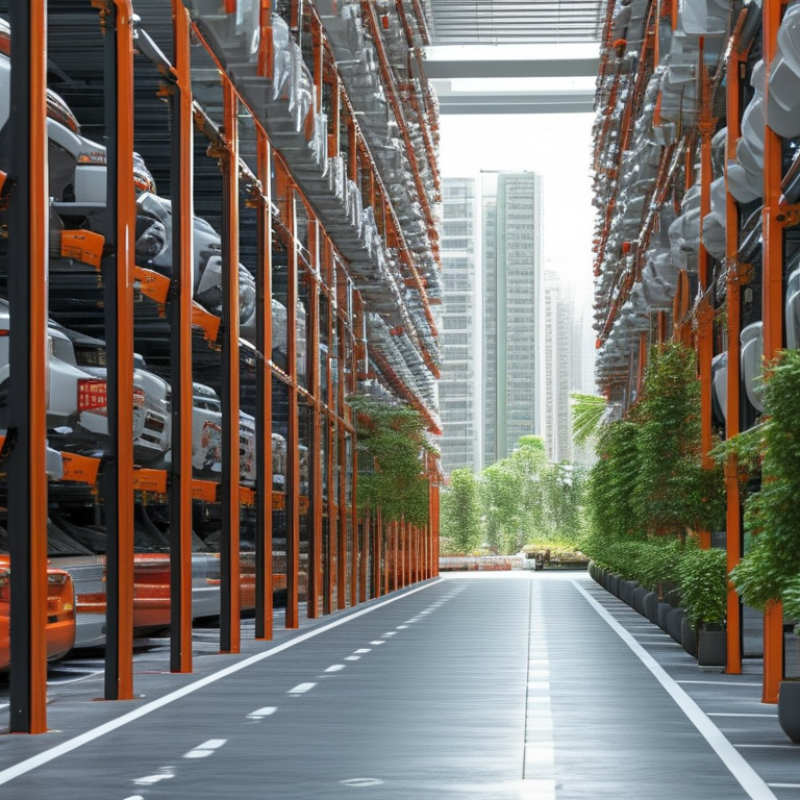
Top automated parking machine suppliers worldwide are not chosen by glossy catalogs alone. The strongest suppliers combine engineering depth, installation experience, and dependable after-sales support. Their systems may include puzzle parking, tower structures, shuttle platforms, or rotary units. Each design serves different sites. A dense city center needs compact throughput, while a residential project may value quiet operation and simple maintenance. Suppliers should provide load calculations, traffic simulations, and clear commissioning records. These documents reveal more than promotional claims.
Experienced suppliers also explain the full operating cycle. A vehicle enters a marked bay, sensors verify its position, and the platform transfers it safely. Good suppliers specify lifting speed, platform tolerance, emergency recovery, and weather protection. They train local technicians and stock critical parts near the installation region. Remote diagnostics can reduce downtime, but only when connectivity and data security are properly managed. A supplier with global projects should still adapt controls to local building conditions, climate, and user habits. International scale is useful, not sufficient.
The best worldwide suppliers maintain measurable service standards, including response times, preventive maintenance intervals, and acceptance testing. Ask for references from comparable buildings, not only landmark projects. Site visits can expose noise, queueing, or awkward pedestrian routes. These details matter daily. Cost remains important, yet the cheapest machine may create higher lifetime expenses through frequent repairs or slow retrieval. Procurement teams should compare energy use, spare-part access, warranty terms, and operator training. No supplier is perfect. A careful buyer should document weak points before signing, then review performance after several months of use.