Blog

China Top 10 Custom Can Manufacturers to Buy From?

Choosing a reliable Custom Can manufacturer in China requires more than comparing factory photos or quoted prices. Buyers must examine material quality, printing accuracy, forming capability, production controls, and communication habits. A bright tin surface may look impressive, yet poor seams or uneven coatings can damage an entire product launch.

Louis Cheskin, a pioneering consumer psychologist and packaging researcher, famously said, “The package is the product.” His observation remains relevant to Custom Can purchasing. The can protects the contents, but it also shapes shelf appeal, opening experience, brand recognition, and customer trust. A carefully engineered can should feel solid in the hand, close cleanly, and display artwork without visible color shifts.

This guide introduces ten China-based Custom Can manufacturers worth evaluating. The selection considers manufacturing experience, customization depth, quality systems, minimum order flexibility, export support, and sustainability practices. It also looks beyond polished websites. Factory visits, sample approvals, production records, and responsive after-sales service often reveal more than marketing language.

There is no perfect supplier for every buyer. A boutique brand may value low trial quantities, while a large retailer may need automated production and strict delivery schedules. Some manufacturers excel at decorative tins but offer limited structural innovation. Others provide strong engineering yet communicate slowly. That difference matters.

Use this list as a practical starting point, not a final verdict. Request physical samples. Test the lid. Check dimensions. Confirm food-contact suitability when relevant. Small oversights can become expensive problems, and this industry still has room for more transparent comparison.
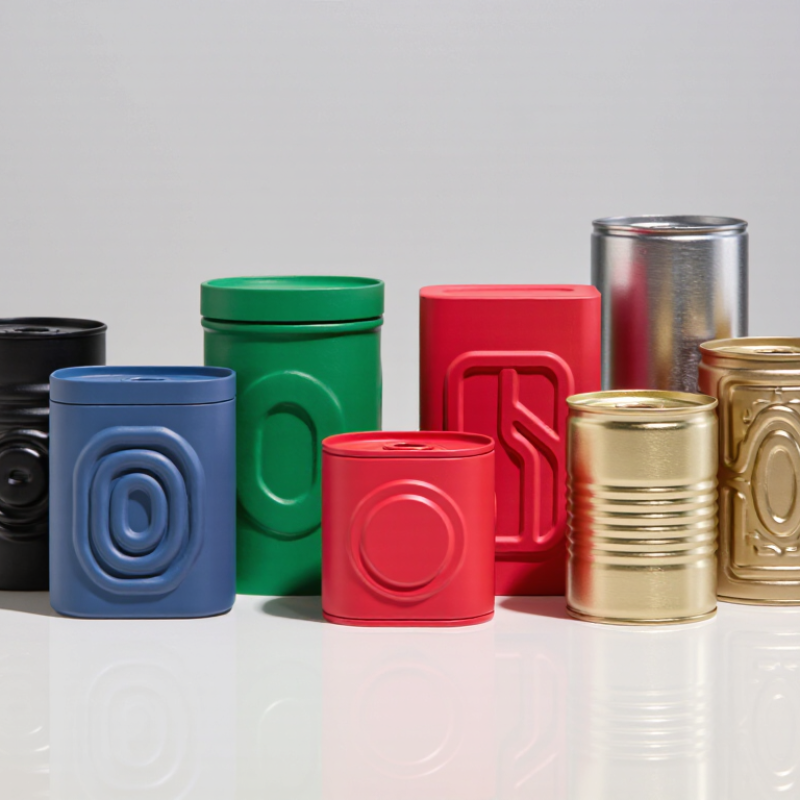
China Top 10 Custom Can Manufacturers to Buy From?

What Makes a Custom Can Manufacturer Worth Buying From

China Top 10 Custom Can Manufacturers to Buy From?

What Makes a Custom Can Manufacturer Worth Buying From

A custom can manufacturer is worth buying from when its process matches your product, timeline, and market requirements. In practical sourcing work, I look beyond colorful samples. I check material thickness, lid fit, seam quality, coating consistency, and printing accuracy. Small defects often appear near corners or inside the lid.

Ask for production samples before approving a large order. A reliable factory should explain its tooling fees, minimum order quantity, lead time, and inspection process clearly. It should also provide material documents and testing records suitable for your destination market. Clear answers matter more than impressive promises.

Factory experience is visible in the details. Technicians should understand how artwork changes affect registration, scratches, and color variation. The production team should use measurable quality standards, not personal judgment alone. Visit the facility when possible, or request a live video inspection. Check whether raw materials are stored cleanly and whether finished cans are protected from dust and moisture.

Do not ignore weak points. A low price may hide expensive tooling changes, slow communication, or inconsistent batches. I have found that even a strong supplier can miss a small requirement when specifications are vague. Use a written approval sheet with dimensions, color references, packing details, and acceptable defect limits. Good cooperation is not perfect. It is transparent, traceable, and willing to correct mistakes.


How to Evaluate China’s Top Custom Can Manufacturers

China Top 10 Custom Can Manufacturers to Buy From?

When evaluating China’s top custom can manufacturers, price is only one signal. Check material traceability, tooling control, and production consistency. The International Aluminium Institute reports that recycling aluminium can save up to 95% of the energy used for primary production. This makes recycled-content verification commercially important. Ask for alloy certificates, coating specifications, and batch records. A reliable factory should explain its quality process without vague promises.

Review food-contact testing, dimensional reports, and independent audit results. ISO 9001 certification supports process control, but it does not guarantee every can is suitable for your product. Request samples from different production runs. Measure wall thickness, lid fit, print registration, and surface defects. Custom tooling may reduce unit cost later, yet it can create expensive delays during approval. I have seen attractive samples hide weak seam consistency. That risk deserves attention.

Tips: Compare at least three factories using the same technical brief. Confirm minimum order quantities, tooling ownership, inspection points, and replacement terms in writing. Request migration testing from an accredited laboratory when the can touches food or beverages. Also check factory capacity during peak seasons. A supplier may show impressive equipment, but the real question is whether your order receives controlled attention. Judge evidence, not polished photographs.

China’s Top 10 Custom Can Manufacturers and Their Specialties

China’s Top 10 Custom Can Manufacturers and Their Specialties

China’s custom can industry serves food, cosmetics, candles, tea, and household products. The strongest manufacturers often specialize in one material or production style. Some focus on food-grade tinplate cans with tight lids and clean interiors. Others produce lightweight aluminum containers for skincare and personal-care packaging. Their capabilities may include deep drawing, embossing, window cutting, matte coating, and full-color printing. These details affect shelf appeal, durability, and production cost.

Several manufacturers are known for rigid gift tins, shaped promotional cans, and small-batch packaging. Others handle high-volume orders with automated forming lines and strict dimensional checks. Experienced buyers should request material specifications, coating information, sample approval, and factory quality records. A can that looks attractive online may feel thin in person. That mistake is easy to make. Reliable suppliers should explain tooling fees, minimum order quantities, lead times, and packaging methods clearly. Independent testing may also be useful for products touching food or cosmetics.

Tips: Ask for a physical sample before approving mass production. Check lid fit by opening it repeatedly. Review print colors under daylight, not only on a screen. Confirm whether the supplier can provide traceable material documents and inspection reports. If your design has sharp corners, test stacking and transport carefully. Small design changes can reduce waste, but they may also weaken the can.

China Top 10 Custom Can Manufacturers to Buy From? - China’s Top 10 Custom Can Manufacturers and Their Specialties

The comparison below organizes China-based custom-can supplier profiles by manufacturing region, can format, material, production specialty, printing method, and common application. Company names and brand information are intentionally omitted.

Rank Manufacturing Region Primary Specialty Common Can Formats Typical Materials Decoration & Finishing Best-Fit Applications Important Buying Considerations
1 Guangdong Custom aerosol cans Two-piece aerosol cans Three-piece aerosol cans Tinplate steel and aluminum, depending on pressure, weight, and corrosion requirements Offset lithography, protective varnish, internal lacquer, and dome or shoulder forming Personal-care sprays, household products, automotive products, and industrial aerosols Confirm pressure testing, valve compatibility, internal coating suitability, and applicable transport regulations
2 Zhejiang Decorative tin packaging Round tins Square tins Shaped tins Electrolytic tinplate, chrome-coated steel, and food-contact lacquered steel High-resolution offset printing, embossing, debossing, matte coating, and spot gloss Tea, confectionery, biscuits, gifts, collectibles, and promotional packaging Check tooling ownership, minimum order quantity, color proofing, and dimensional tolerances
3 Jiangsu Food and beverage cans Three-piece cans Easy-open cans Straight-wall cans Tinplate steel, tin-free steel, and approved internal coating systems Rotogravure or offset decoration, food-safe internal lacquer, and seaming-compatible finishes Canned foods, sauces, seafood, powders, pet food, and selected beverage products Verify food-contact documentation, seam inspection procedures, sterilization compatibility, and shelf-life testing
4 Fujian Tea and coffee tins Slip-lid tins Double-lid tins Window tins Tinplate steel with optional food-safe liners, inserts, and humidity-control components Color-matched offset printing, embossed logos, textured varnish, and decorative metal finishes Loose-leaf tea, tea bags, coffee, herbs, spices, and premium dry goods Assess lid fit, aroma protection, moisture resistance, insert design, and packing efficiency
5 Shandong Paint and chemical cans Open-head cans Tight-head cans Pail-style cans Heavy-gauge tinplate, steel sheet, and chemical-resistant internal coatings Industrial offset printing, label application, handle fitting, beading, and leak-resistant closure systems Paints, coatings, adhesives, lubricants, inks, and selected chemical products Confirm chemical compatibility, UN packaging requirements where applicable, leak testing, and closure torque
6 Shanghai and the Yangtze River Delta High-precision component cans Small metal containers Slide-lid tins Two-piece containers Thin-gauge tinplate, aluminum, and coated steel Fine-line printing, laser marking, precision stamping, and tight-tolerance forming Cosmetics, samples, solid perfumes, waxes, small hardware, and specialty products Prioritize dimensional inspection, lid interchangeability, surface protection, and automated filling compatibility
7 Guangxi Industrial and bulk metal containers Large cans Steel pails Stackable containers Steel sheet, tinplate, and corrosion-protected metal substrates Screen printing, offset printing, label application, reinforced rims, and mechanical handles Lubricants, agricultural products, construction materials, industrial powders, and bulk goods Review stacking strength, pallet configuration, corrosion protection, gross-weight limits, and warehouse handling
8 Hebei General-purpose tinplate cans Round cans Rectangular cans Metal boxes Standard tinplate and tin-free steel in several thickness ranges Four-color offset printing, varnishing, crimping, beading, and basic embossing Hardware, candles, dry foods, promotional kits, household products, and general retail packaging Compare tooling charges, production-line automation, sample approval procedures, and export packing standards
9 Hunan Special-shaped and promotional cans Novelty shapes Gift tins Multi-compartment tins Tinplate steel, laminated metal sheet, and food-safe coated steel where required Custom stamping, embossing, irregular profiles, decorative lids, inserts, and premium varnishes Seasonal gifts, promotional campaigns, toys, collectibles, snacks, and limited-edition packaging Allow additional time for tooling, prototype approval, die maintenance, and manual assembly requirements
10 Chongqing and Southwest China Cost-efficient custom metal packaging Standard round tins Rectangular cans Basic aerosol components Common tinplate grades, steel sheet, and aluminum for selected applications Standard offset printing, clear or matte varnish, basic embossing, and conventional closure systems Everyday consumer products, regional food brands, promotional merchandise, and industrial supplies Evaluate logistics to the export port, production capacity, quality-control documentation, and packaging protection

Note: Final suitability depends on the product contents, can dimensions, coating requirements, closure design, order volume, testing requirements, and destination-market regulations. Buyers should request current samples, technical drawings, compliance documents, and a pre-production approval sample before placing an order.

Key Factors for Comparing Quality, Pricing, and Production Capacity

China Top 10 Custom Can Manufacturers to Buy From?

When comparing custom can manufacturers, inspect quality beyond a shiny sample. Ask for wall-thickness tolerances, coating test results, seam inspection records, and migration compliance documents. A can that looks perfect may still fail during filling. The Metal Packaging Europe data indicates that steel and aluminium packaging remain highly recyclable, but collection and sorting conditions affect real-world recovery. This makes material traceability important. Request batch codes, retained samples, and a clear corrective-action process.

Pricing needs a wider lens. Compare tooling fees, minimum order quantities, printing plates, freight, and rejected-unit policies. A low unit price can hide expensive setup costs. Smithers’ metal packaging outlook forecasts continued market growth through 2029, while material and energy volatility remain major cost pressures. Ask manufacturers to quote three volumes, such as 10,000, 50,000, and 200,000 units. Their response reveals economies of scale. It also reveals honesty. Sometimes, the cheapest quote deserves more questions.

Tips: Visit the factory, if possible. Watch a seam test. Check whether production lines can handle your diameter, height, and coating requirements. PMMI’s 2024 packaging reports highlight labor, automation, and supply-chain pressures across packaging operations. Therefore, confirm monthly capacity, equipment age, maintenance schedules, and backup suppliers. Do not trust capacity claims alone. Request recent production records and customer-neutral quality data. My own practical view is simple: a slightly higher price may be sensible when defect control, stable lead times, and responsive engineering are proven. However, one audit is never enough.

How to Select the Best Manufacturer for Your Custom Can Project

Choosing among the top custom can manufacturers requires more than comparing unit prices. Start with material expertise, production capacity, and documented quality controls. Ask whether the factory can manage your can diameter, height, wall thickness, printing method, and closure requirements. A reliable supplier should provide pilot samples, dimensional reports, coating specifications, and batch traceability.

Industry data supports careful material selection. The International Aluminium Institute reports that recycled aluminium requires about 5% of the energy used for primary aluminium production. Therefore, ask manufacturers to disclose recycled content and sourcing evidence. Smithers’ packaging market analysis also highlights growing pressure for recyclable, lightweight, and resource-efficient formats. These trends affect both procurement costs and customer expectations.

Tips: Request three production samples. Test stacking strength, seam integrity, print accuracy, and coating performance. Confirm minimum order quantity, tooling ownership, delivery tolerance, and corrective-action procedures. Check food-contact or product-contact documentation where applicable. A factory audit is useful, but it is not perfect; documents can look stronger than daily production practices. One uncomfortable lesson is that the cheapest quotation may hide weak inspection systems, unstable lead times, or expensive tooling changes. Leave room for testing failures and design revisions. Ask for recent, verifiable production records rather than polished promises.