
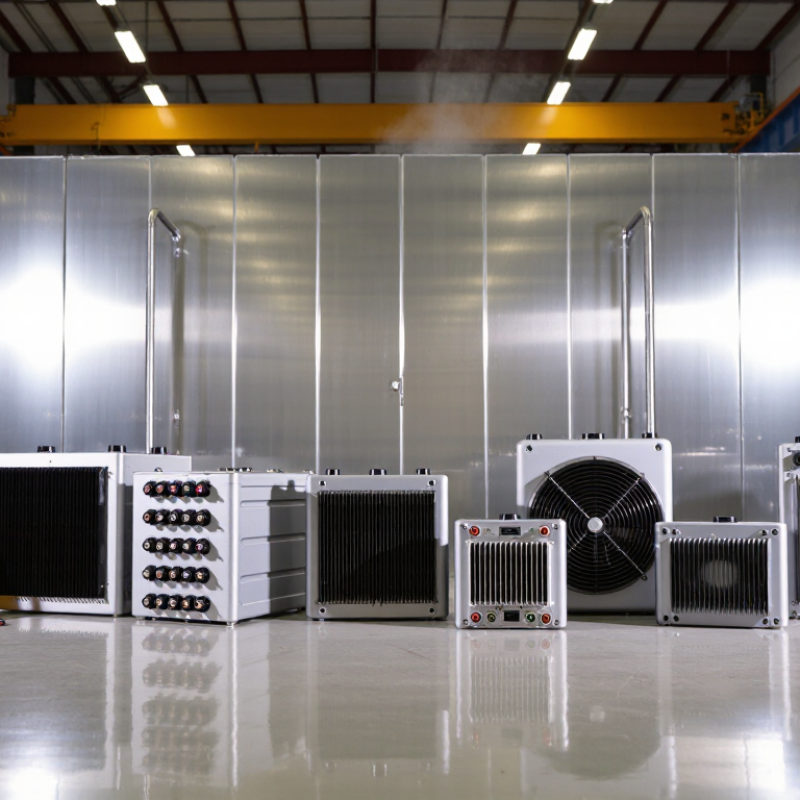
A phase-lack chrome rectifier is usually a chrome-plating power supply with phase-loss protection. The term is not perfectly standardized. Some suppliers use it for a three-phase rectifier that detects missing input phases. Others mean a phase-controlled silicon rectifier with protective alarms. Buyers should verify the electrical diagram, not only the product title.
Chrome plating needs steady direct current across a conductive bath. A missing phase can create unstable output, excessive ripple, and uneven deposits. The operator may notice dull edges, burning near corners, or a rough surface on a small steel part. Practical specifications should include input voltage, output range, current density, ripple percentage, cooling method, and alarm response time. A 12-volt, 6,000-ampere unit may suit one tank, but it can be unsuitable for another. Tank size alone is not enough.
Energy matters. The International Energy Agency reported that industry used about 42% of global electricity consumption in 2023. Rectifier losses therefore affect operating cost and cooling demand. A 2024 electroplating market report by Grand View Research estimated the global market above 20 billion dollars in 2023, showing why equipment selection deserves careful comparison. Yet market figures are estimates. They should not replace load testing. Ask for measured efficiency, waveform records, and phase-loss shutdown tests under working conditions. Some specifications still look impressive but omit these details.