Choosing a Metal Railings manufacturer in China requires more than comparing prices and product photos. Buyers should examine material options, weld consistency, finish quality, production capacity, and communication practices. A supplier’s catalog may look polished. The sample deserves closer attention.
Design details matter. Charles Eames, the influential designer, said, “The details are not the details. They make the design.” His observation applies to railings, where a rough joint, uneven coating, or poorly packed component can affect the finished project. It is a design perspective, not a substitute for technical inspection.
This guide introduces ten manufacturers for buyers to research, rather than declaring one universal winner. Project needs differ. A coastal installation may call for different material and finish considerations than an indoor commercial staircase. Ask shortlisted suppliers for relevant samples, clear specifications, production timelines, and references for comparable work. Confirm that drawings, dimensions, and packaging plans match your project before placing an order. Small checks can prevent expensive surprises.
No list can verify every factory condition or shipment outcome. Even a promising supplier may need closer review. Use these profiles as a starting point, then compare evidence against your own requirements. The best choice is the manufacturer that can demonstrate consistent workmanship, answer technical questions clearly, and deliver to the agreed specification.
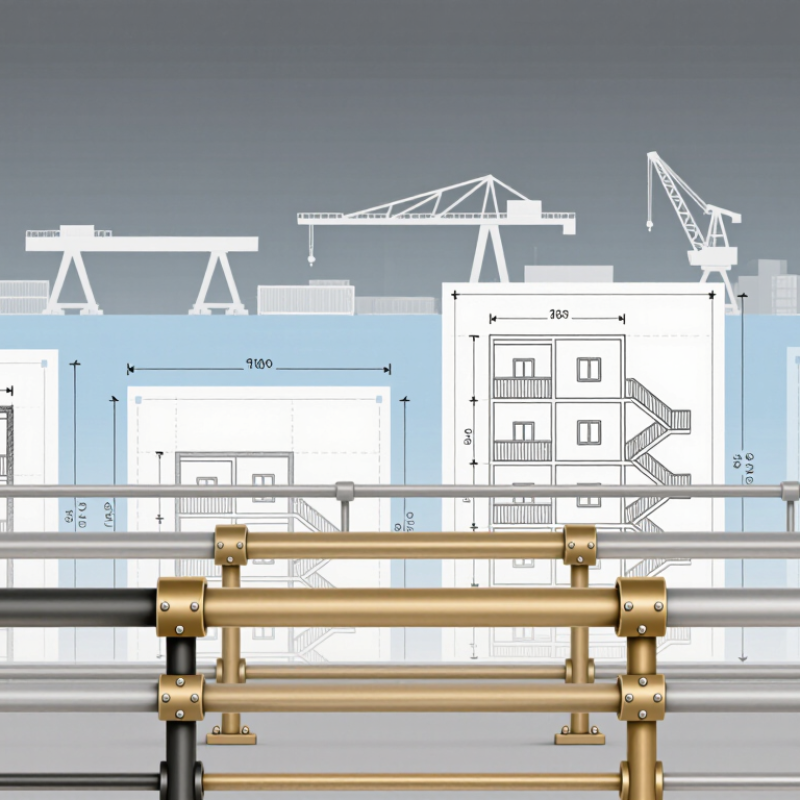
China’s metal railing industry supports residential, commercial, and infrastructure projects, from standard balcony sections to custom stair assemblies. Manufacturers commonly process stainless steel, aluminum, and carbon steel. Material choice depends on exposure, structural requirements, appearance, and cost.
Typical production includes cutting, bending, welding, grinding, surface treatment, and assembly. Some factories handle these steps in-house, while others rely on specialist suppliers. That difference can affect lead times and quality consistency. Small details matter. A polished weld may look convincing in a photograph, yet the joint and surrounding finish still need inspection.
For buyers, clear drawings and measurable specifications make comparisons more reliable. Confirm dimensions, material grade, finish, connection details, and packaging before approving production. Requesting samples, inspection records, or relevant test results can help reveal gaps between a quotation and the finished product.
Even a thorough checklist has limits; drawings sometimes leave room for interpretation.
A sample review can expose issues such as sharp edges, uneven coating, or fittings that do not align as expected. Industry capability is broad, but it varies from workshop to workshop.
Metal railing choices depend on exposure, maintenance, appearance, and how people use the space. Carbon steel is strong and adaptable, but outdoor installations need a suitable protective finish. Stainless steel resists corrosion well, though coastal air and cleaning habits still matter. Aluminum is lighter and can simplify handling on balconies or stairs.
The World Steel Association reported 1,888.2 million tonnes of crude steel production in 2023; the International Aluminium Institute reported 70.6 million tonnes of primary aluminum production. These figures describe global material output, not railing performance. Details matter.
Designs range from vertical balusters and horizontal rails to cable systems and solid infill panels. Vertical bars suit many stairways; cable designs preserve views on decks, but require careful tensioning. For public buildings, schools, or apartment balconies, buyers should check applicable local safety requirements and the fixing substrate. A railing is only as reliable as its anchors.
Drainage, weld quality, coating damage, and handrail comfort deserve attention before comparing quotations. One trade-off is easy to miss: a low-maintenance finish may cost more upfront, while a low initial price can conceal future upkeep. I would not choose by material name alone.
Evaluate a railing manufacturer by checking how its process handles details, not by comparing catalog photos alone. Request dimensioned drawings that show post spacing, handrail height, base plates, and fixing points. Ask for the specified metal grade and coating thickness in writing. Small details matter. A sample section can reveal uneven welds, sharp edges, or a finish that looks different under daylight. Confirm that the sample uses the same materials and process planned for production.
Ask how the factory checks incoming materials, weld quality, dimensions, and surface finish. Request recent inspection records or test reports, and check which product and test conditions they cover. Ask who performs final inspection and whether you can review dated photos or arrange an independent inspection. A confident answer should include specific steps, not only a promise of “high quality.” I would not treat a certificate as proof that every batch will match.
Communication and packaging matter too. Send a sample drawing revision and see whether the manufacturer flags unclear measurements before quoting. Check whether lead times include sampling, production, inspection, and shipping preparation. Ask for corner protection and secure bundling details; long rails can arrive scratched or bent if packed poorly. One detail is easy to miss: clarify how changes are recorded after approval. I still find this worth checking twice.
Choosing a metal railing supplier in China involves more than comparing prices. Buyers should assess whether a factory can produce the required materials, profiles, finishes, and connection details consistently. Ask for technical drawings, material specifications, sample pieces, and documented inspection steps. Clear answers matter.
For outdoor projects, discuss corrosion resistance, drainage, coating thickness, and exposure to coastal air. Request photos of comparable work, but treat images as supporting evidence, not proof of performance. A factory visit or independent inspection may help confirm equipment, workmanship, and packing methods. Small details count. A catalog can look complete while leaving installation tolerances unclear, so review dimensions with the project team before approving production. Not every supplier will fit every project.
Tips: Send one complete inquiry with drawings, quantities, finish requirements, delivery location, and target schedule. Compare quotations line by line, including packaging and spare parts. Confirm who checks dimensions and surface defects before shipment. Keep written records of approved samples and changes. A little extra care can prevent avoidable surprises.
A reliable railing supplier should prove more than its production capacity. The International Stainless Steel Forum’s Stainless Steel in Figures 2024 reports 58.4 million tonnes of global stainless steel production in 2023. That scale does not guarantee consistent material quality. Ask for mill test certificates showing the alloy grade, and check that batch numbers match the delivered components. Small mismatch, big headache.
Review drawings, weld samples, and finish specifications before approving an order. For stainless steel, request details on surface treatment and how the supplier prevents contamination during fabrication. For coated steel or aluminum, confirm coating type and thickness, then ask how these are measured. Where project requirements call for load testing, request reports tied to the proposed railing design, not a generic product. ASTM E2358 provides a reference for performance testing of handrail and guard systems; confirm with the project team which standards apply.
Production checks matter too. Ask how the factory controls dimensions, weld quality, and packaging, and whether inspection records are available for your order. A brief video call can reveal practical details: marked components, clean storage, and a clear inspection process. Brochures prove little. Compare sample lead times with written schedules, and clarify who handles damaged parts or replacements. I would still verify one awkward detail: whether the quoted finish and hardware are included in the final price.
| No. | Key Check | What to Verify | Evidence to Request | Buyer Validation |
|---|---|---|---|---|
| 1 | Product and project scope | Confirm the supplier regularly manufactures the railing type, material, dimensions, and finish required for your project. | Product drawings, specifications, and examples of comparable completed work, with customer details redacted if confidential. | Check that the proposed system matches the project drawings and intended indoor or outdoor use. |
| 2 | Material traceability | Verify the specified alloy or steel grade, product form, and material thickness. Requirements differ between stainless steel, carbon steel, and aluminum systems. | Material certificates or mill test reports linked to the materials used for the order; purchase and incoming-inspection records where available. | Compare certificate details with the purchase specification and, where needed, arrange independent material testing. |
| 3 | Structural design and loads | Confirm the railing design is suitable for the project location, occupancy, fixing substrate, and applicable building-code loads. | Project-specific drawings, design calculations, connection details, and the code or standard basis used. | Have the design reviewed by the project’s qualified engineer or other responsible design professional; do not rely on a generic product brochure. |
| 4 | Dimensions and tolerances | Check post spacing, rail height, panel or infill dimensions, hole locations, and installation clearances against approved drawings. | Dimensioned shop drawings, stated manufacturing tolerances, and inspection records for critical dimensions. | Approve final shop drawings before production and verify a first article or sample assembly for custom work. |
| 5 | Welding and fabrication | Assess weld consistency, joint preparation, edge finishing, distortion control, and the suitability of fabrication processes for the specified material. | Fabrication procedures, welder qualifications where required by the project, in-process inspection records, and sample photographs or parts. | Inspect representative welds and finished edges; specify any required non-destructive examination in the contract documents. |
| 6 | Finish and corrosion protection | Confirm the finish system, color, preparation method, coating thickness requirements, and environmental suitability are defined for the application. | Finish specification, coating or plating records, color sample, and inspection results for the agreed coating thickness and appearance. | Approve a physical finish sample and clarify maintenance needs, especially for coastal or otherwise corrosive environments. |
| 7 | Quality management and inspection | Check how the supplier controls incoming materials, production stages, nonconforming items, and final inspection. A management-system certificate does not by itself prove product compliance. | Relevant quality-system certificates, inspection and test plan, sample inspection reports, and corrective-action process. | Verify certificate validity and scope with the issuing body, and agree on inspection points before production starts. |
| 8 | Testing and compliance documents | Identify which performance, safety, or regulatory requirements apply in the destination market and to the specific railing configuration. | Reports from a competent laboratory or inspection body, declarations or certificates required for the project, and clear identification of the tested product configuration. | Check report dates, scope, test method, specimen details, and whether the evidence applies to the supplied design and market. |
| 9 | Packaging and shipment readiness | Ensure finished components are protected against scratches, moisture, corrosion, and transit damage, with packaging suited to the shipment route. | Packing plan, package dimensions and weights, export documents list, and photographs of packing for comparable orders. | Agree on labeling, packing marks, spare parts, shipment terms, and responsibility for transit damage in writing. |
| 10 | Installation, warranty, and support | Clarify installation responsibilities, site measurements, anchoring requirements, warranty coverage, exclusions, and after-sales response arrangements. | Installation instructions, maintenance guidance, written warranty terms, spare-parts policy, and named project contacts. | Confirm who approves site dimensions and substrate conditions before fabrication, and document the process for handling defects or replacement parts. |
Before placing an order, put the approved drawings, material and finish specifications, inspection requirements, delivery terms, and acceptance criteria into the purchase contract. Applicable codes and certification requirements depend on the project and destination market.