Blog

Essential Tips for Choosing the Right Chiller Series?

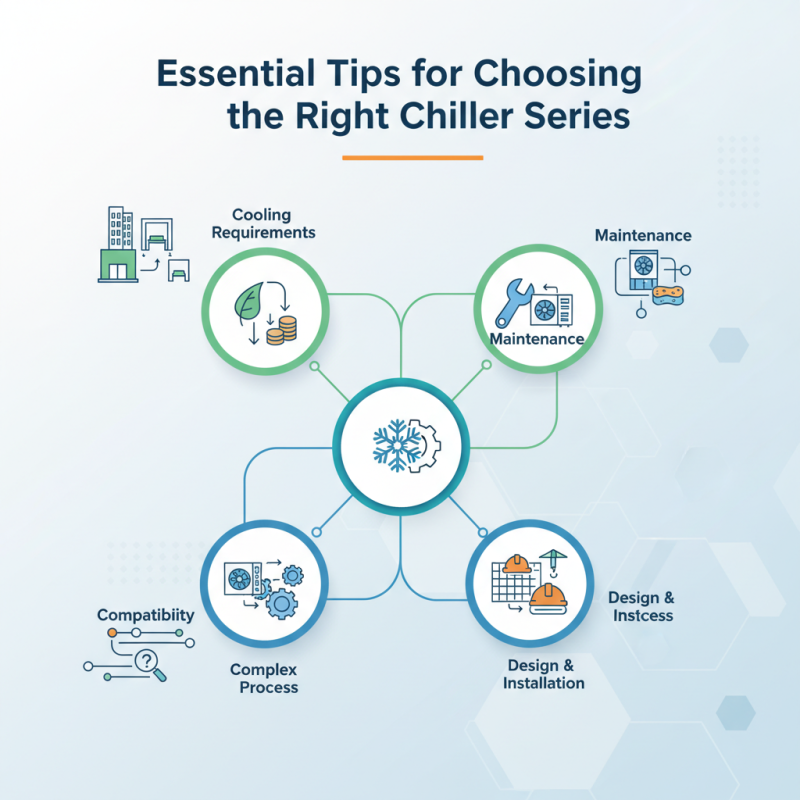
Choosing the right Chiller Series is crucial for efficient cooling. It involves considering various factors that influence performance. First, you need to identify the cooling requirements of your environment. Some chilling units are better suited for larger spaces, while others work well in compact areas.

Efficiency is another key point. A well-chosen chiller can save energy and reduce costs. However, many people overlook the importance of maintenance. Regular check-ups and cleaning can enhance the chiller's lifespan. It's also vital to assess the design and installation. Poor choices here can lead to future issues.

Lastly, compatibility with other equipment is essential. Make sure the Chiller Series you select integrates seamlessly with your current systems. Mistakes in this area can result in inefficiencies. It’s a complex process that requires attention to detail and thoughtful consideration.
Essential Tips for Choosing the Right Chiller Series?

Understanding the Different Types of Chillers Available on the Market

When selecting a chiller, understanding the different types available is crucial. Major categories include air-cooled, water-cooled, and absorption chillers. According to a recent market analysis, the air-cooled segment dominates with a 45% market share. Their efficiency and lower installation costs make them popular in many applications.

Many experts highlight the importance of evaluating your specific needs. Consider the environment where the chiller will operate. Water-cooled chillers require a water source and are often used in larger operations. In contrast, air-cooled units are simpler and don’t need a cooling tower.

Tip: Assess the energy efficiency ratio (EER) of each chiller type. Higher EER values indicate better performance and lower operating costs.

It’s worth noting that not all chillers meet the same standards. Some may offer lower initial costs but lead to higher long-term energy expenses. Understanding operational requirements helps avoid this pitfall.

Tip: Look for units with a good balance of upfront and operational costs. This can significantly affect total ownership cost over the equipment’s lifespan. Always seek to gather data on the specific usage conditions before making a decision.

Identifying Your Cooling Requirements and Capacity Needs

Choosing the right chiller series starts with understanding your specific cooling requirements. Factors like the size of your facility and the processes involved can significantly influence your choice. For instance, the average cooling capacity needed for industrial applications is often around 75-150 kW per unit. Yet, many companies underestimate their cooling needs, leading to inefficient systems or excess costs.

Tip: Assess your heat loads accurately. Gather data on all equipment generating heat in your facility. This will help you set an appropriate capacity range for your chiller.

Temperature control is another crucial factor. Some processes require tight temperature tolerances, while others may allow a wider variance. According to industry reports, a 1°C fluctuation can impact product quality, costing manufacturers significantly in wastage. Some facilities fail to consider this aspect, choosing chillers that do not meet their precise control specifications.

Tip: Reevaluate your cooling processes regularly. Changes in production levels or technology can alter your needs over time. Keeping track of these shifts enables you to select better-suited equipment. You don't want to end up with a system that can't handle your requirements.

Evaluating Energy Efficiency and Operating Costs of Chiller Systems

When selecting a chiller series, energy efficiency should be a primary concern. Review the energy consumption of various systems. A more efficient chiller promises lower operating costs. However, efficiency is often linked to the upfront investment. Cheaper models may lead to higher electricity bills over time.

Operating costs involve more than just energy use. Maintenance plays a critical role too. Some systems require frequent servicing, which can add up. Consider the implications of repairs when choosing a model. Poorly designed chillers may break down more often. Reflect on these factors to avoid long-term expenses.

Another aspect to weigh is the chilled water temperature. Higher temperatures can mean less energy usage. This could seem like a minor detail, but it greatly impacts efficiency. Verifying the cooling load requirements can prevent over-sizing. Likewise, remember to evaluate the installation space. Sometimes the best-performing options could end up poorly fitting your setup.

Assessing the Space and Installation Considerations for Chillers

When selecting a chiller series, understanding installation considerations is vital. Assessing the available space is a primary factor. Data suggests that 25% of chiller installations face space constraints, leading to operational inefficiencies. It is crucial to measure the installation area accurately. Consider not just the chiller dimensions but also the piping and airflow requirements.

Moreover, make note of the height clearance. Many facilities underestimate vertical space. This can affect maintenance access and operational efficiency. Lighting and other utilities should also be taken into account. Some reports indicate that insufficient planning leads to 40% of chillers not operating at peak efficiency. Always consult installation guides and professional advice for the best results.

Lastly, consider environmental conditions around the chiller. The ambient temperature can significantly impact performance. A recent study found that units operating in extreme temperatures can lead to a 20% increase in energy costs. Evaluate potential impacts of sunlight, heat sources, or even humidity. Without careful planning, the lifespan of a chiller can decrease, requiring costly replacements sooner than anticipated.

Exploring Maintenance and Support Options for Chiller Series

When considering chiller series options, maintenance and support are crucial. Research indicates that up to 70% of chiller failures stem from inadequate maintenance practices. Regular servicing extends the lifespan of chillers. Data shows that a well-maintained chiller can last over 20 years, compared to 10 years for poorly maintained units. It is vital to schedule routine checks and document all service records.

Understanding the support options available is equally important. Many facilities overlook this aspect. Access to immediate technical support can minimize downtime. Industry reports suggest that 15% of unscheduled outages occur due to unresponsive service teams. Having a reliable support network decreases the response time significantly. It’s worth noting that training in basic troubleshooting can empower staff. They can address minor issues before they escalate.

Evaluating maintenance contracts is necessary. Not all contracts offer the same value. Some may include preventive maintenance while others focus on reactive services. Analyze each option carefully. It’s essential to consider the potential costs of downtime. A reliable maintenance plan can reduce operational disruptions. A well-thought-out approach to maintenance and support ensures that your chiller operates efficiently.