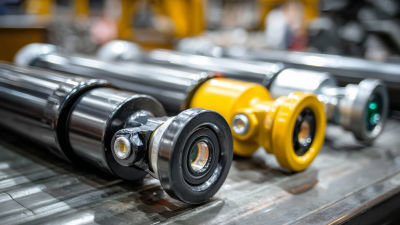
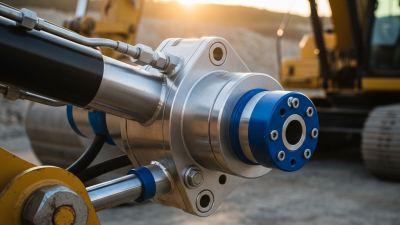
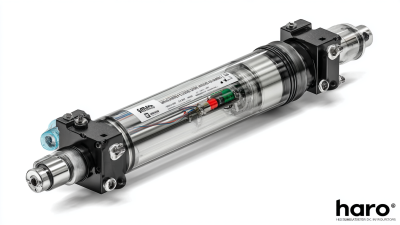
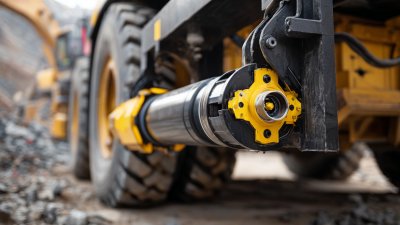
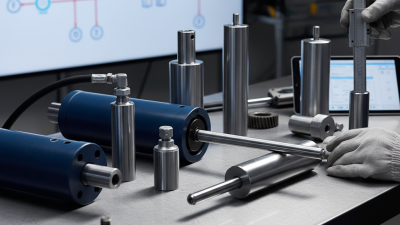
When selecting Industrial Hydraulic Cylinders, precision is key. The global hydraulic cylinder market was valued at approximately $14 billion in 2022, with a steady growth forecast. This statistic signals the increasing reliance on hydraulic systems across various industries. However, many companies overlook the importance of choosing the right cylinder for their specific needs.
Industrial Hydraulic Cylinders must endure high pressure and frequent use, making material quality crucial. Reports suggest that nearly 30% of hydraulic failures stem from improper component selection. This underscores the need for careful evaluation of specifications. Shortcomings in selection can lead to costly downtimes. Additionally, having a clear understanding of performance ratings is crucial; choose cylinders that exceed the required standards.
Choosing Industrial Hydraulic Cylinders requires thoughtful consideration and knowledge of industry trends. Seeking expert advice is often beneficial. Many buyers feel overwhelmed by options but being informed can mitigate risks. Careful selection can result in enhanced efficiency and productivity. Ignoring these elements can have serious consequences.
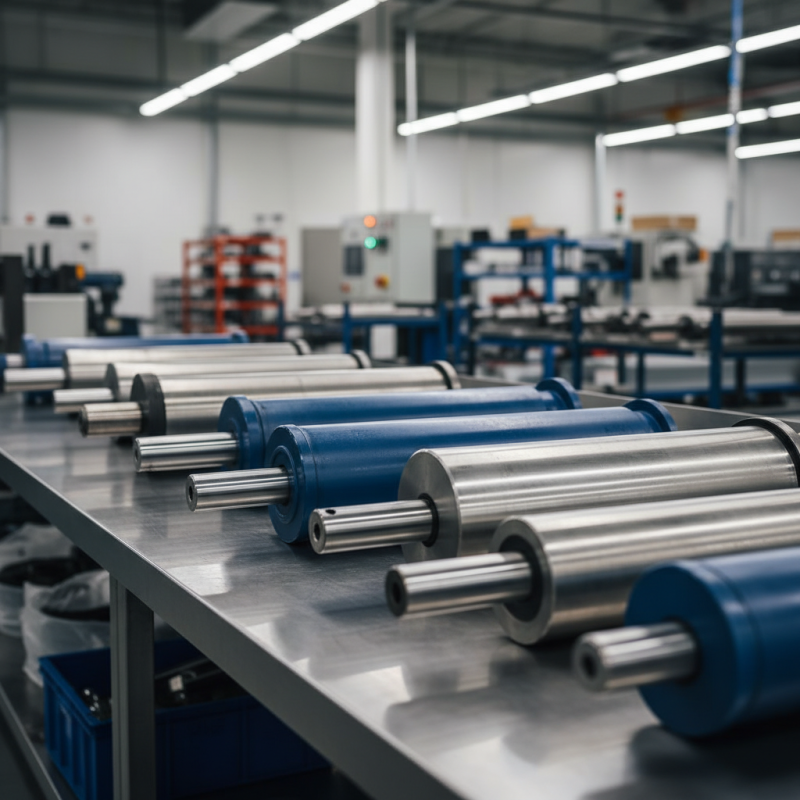
Industrial hydraulic cylinders play a crucial role in various applications. They convert hydraulic energy into mechanical force. This process allows for efficient movement of heavy loads in manufacturing and construction industries. Understanding how these cylinders work is essential when choosing the right one for your needs.
Hydraulic cylinders operate by controlling fluid pressure within a chamber. The fluid pushes against a piston, resulting in linear movement. A well-designed cylinder ensures smooth operation and longevity. Factors such as stroke length, bore size, and mounting style are important considerations. Small errors in these measurements can lead to significant operational issues.
Choosing the wrong cylinder can be costly. You might face performance setbacks or increased downtime. It’s essential to evaluate each application’s specific requirements. This includes understanding load capacities and environmental conditions. Mistakes in selection can sometimes be prevented by thorough research and consultation. Yet, even then, unforeseen challenges may arise. Embracing a reflective approach in your decision-making can lead to better outcomes.
Understanding the functionality and key features of industrial hydraulic cylinders is essential for making an informed choice. This chart highlights the importance level of different features, aiding in your selection process.
Choosing the right industrial hydraulic cylinders involves a careful look at several key specifications. Pay attention to the bore size, stroke length, and pressure ratings. These factors directly affect the cylinder's performance and the application. For instance, a cylinder with a larger bore can generate greater force. However, it may also be heavier and more costly.
When selecting hydraulic cylinders, consider the mounting type. Different applications require different mounting styles. Base mounts, clevis ends, or trunnion mounts might be necessary depending on your machine design. Additionally, check the operating environment. Environmental factors can impact cylinder lifespan. For example, exposure to dirt and moisture can lead to premature failure.
Tip: Always analyze the cycle frequency of your application. Is it high or low? Frequent cycles may demand a cylinder with better durability and responsive action. Verify the compatibility of cylinder materials with your working fluids. This small detail can prevent significant issues later. Remember to engage with engineers or experienced personnel during your selection process. Having more perspectives can lead to better choices.
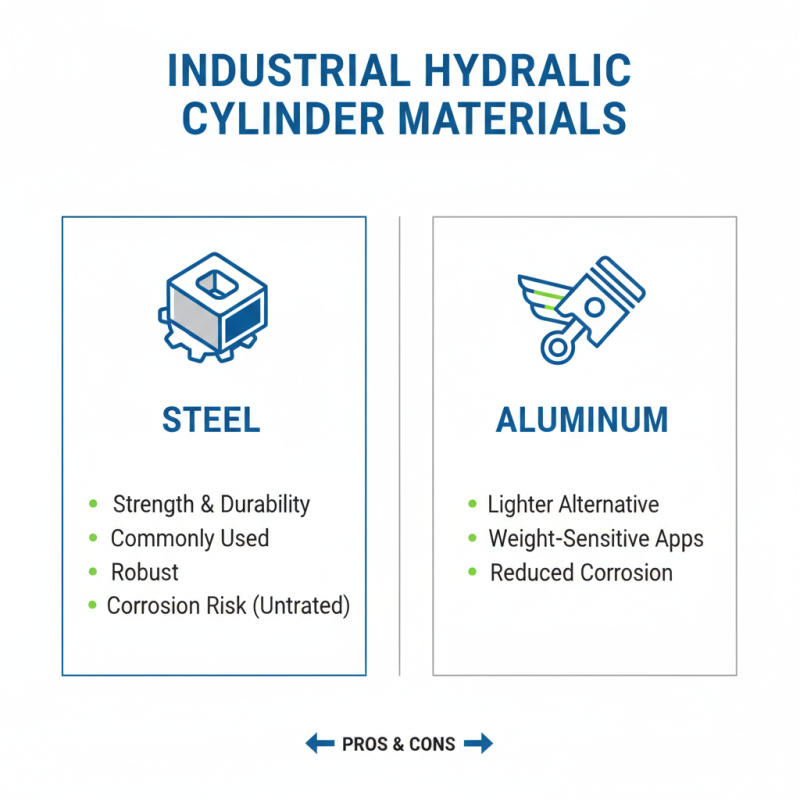
When choosing industrial hydraulic cylinders, material selection plays a critical role. Steel is commonly used due to its strength and durability. Aluminum offers a lighter alternative, ideal for applications requiring less weight. Each material has its pros and cons. For example, while steel is robust, it may corrode over time without proper treatment.
The construction of the cylinder is equally important. Welded cylinders tend to have a stronger build, suitable for heavy-duty applications. However, they can be harder to repair. On the other hand, tie-rod cylinders are easier to maintain but may lack some durability.
Designing a system with the right materials and construction takes thought. Consider your environment, load requirements, and potential wear. It’s not always a straightforward process. Sometimes, the ideal choice reveals itself through trial and error. Testing different materials helps ensure a better fit for your specific needs and avoids future issues.
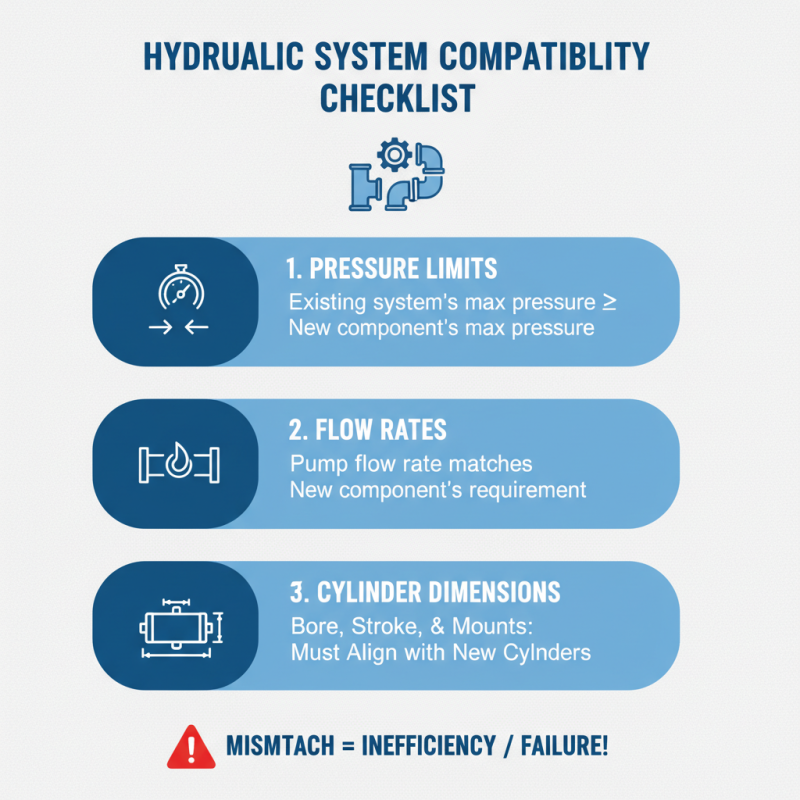
When evaluating compatibility with existing hydraulic systems, it is crucial to consider several factors. Start by examining the system's specifications. The pressure limits, flow rates, and dimensions of the existing cylinders must align with the new ones. Any mismatch could lead to operational inefficiencies or even system failures.
Take a closer look at the mounting options. Different cylinders may have varied mounting styles that can impact assembly. An ill-fitting cylinder may require additional modifications. This can lead to higher costs and longer installation times. Check if the new cylinder matches the hydraulic fittings of your system. Adapting to different fittings can complicate the integration process.
Lastly, evaluate environmental factors. The new cylinder must withstand the same operating conditions. Consider factors like temperature, moisture, and exposure to chemicals. Even small differences in these parameters can create significant challenges in the long run. Make sure the chosen hydraulic cylinder is not only compatible but also durable enough for your work environment.
When selecting hydraulic cylinders, performance factors play a crucial role. Start with the cylinder's operating pressure. This determines how much force it can generate. A mismatch can lead to failures or inefficiencies. Next, look at the stroke length. Ensure it matches the application's requirements. Too short, and you won't achieve the motion you need.
Material selection is another key factor. Different materials offer various strengths and resistances. Some materials withstand high temperatures or corrosive environments better than others. Pay attention to the seal types used. Poor seals can lead to leaks. A leak reduces performance and can increase maintenance costs.
Don’t overlook the cylinder's mounting style. The wrong mounting can cause misalignment issues. This can lead to uneven wear and tear. Always assess how the cylinder will be integrated into the machinery. From load factors to environment conditions, every detail matters. Small oversights in the selection process can have big consequences for operational longevity.
| Performance Factor | Importance Level (1-5) | Description |
|---|---|---|
| Operating Pressure | 5 | The maximum pressure the cylinder can handle without failure. |
| Bore Size | 4 | The inner diameter of the cylinder that affects force output. |
| Rod Size | 4 | Diameter of the rod used for extending and retracting the cylinder. |
| Stroke Length | 5 | The distance the cylinder rod can extend, crucial for application range. |
| Material Quality | 5 | Durability and corrosion resistance of the cylinder materials. |
| Sealing Type | 4 | Prevents fluid leakage; critical for maintaining performance. |