Blog

7 Tips for Buying Trichlor Pool Chemicals in Bulk

Buying Trichlor Pool Chemical in bulk can lower unit costs, but only when the product suits your pool and storage space. A pallet of buckets may look like a bargain beside a warehouse counter. It can also become an expensive mistake if demand is lower than expected. Check the label, available chlorine, tablet size, and compatibility with your feeder before comparing prices. Ask suppliers for current product documentation, including the safety data sheet. Keep the intended storage area cool, dry, and well ventilated, away from incompatible materials. Follow the product label for handling and storage.

Pool-chemistry educator and author Robert Lowry has written about maintaining balanced pool water. The following is an editorial paraphrase, not a verbatim quotation: “Buy around tested demand, and let water balance—not bulk discounts—guide your plan.” That distinction matters. Trichlor adds chlorine and can lower pH over time, so regular testing helps reveal whether your purchasing rhythm fits actual use. Compare delivered cost, container condition, shelf-life guidance, and supplier reliability—not just the price per bucket. Small details count.

A careful buyer also considers seasonal demand, feeder capacity, and how quickly sealed containers will be used. Record recent consumption before placing a large order. Then review it after the season. Real usage may surprise you. Bulk purchasing can still make sense, but it deserves a second look when storage is limited or pool demand changes.
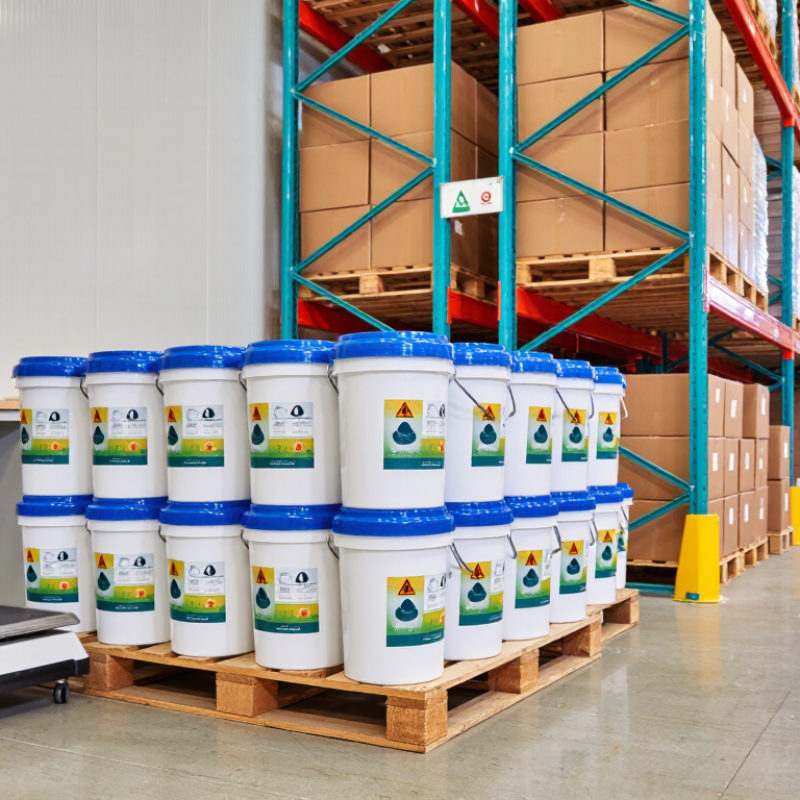
7 Tips for Buying Trichlor Pool Chemicals in Bulk

Verify Product Strength: Trichlor Commonly Provides About 90% Available Chlorine

When buying trichlor in bulk, check the available-chlorine percentage on the product label or a batch certificate. Trichlor commonly provides about 90% available chlorine, but the exact figure can vary by formulation and condition. That number matters. Do not confuse it with the product’s total weight or tablet size. A large tablet is not automatically a stronger tablet.

Ask the supplier for current batch documentation, and compare the stated assay with the product specification before ordering. If a figure seems unusually low or is missing, pause and request clarification; I would not rely on a sales description alone. Trichlor also adds cyanuric acid as it sanitizes, so track stabilizer levels when planning ongoing use. Store bulk containers sealed, dry, and away from heat or incompatible pool chemicals. Moisture and poor storage can affect product quality. I have seen buyers focus on the lowest price per bucket and overlook the label details. That comparison can be misleading. Check strength, packaging condition, and storage requirements together before committing to a large quantity.

Verify Product Strength: Trichlor Commonly Provides About 90% Available Chlorine

Trichlor is commonly labeled at about 90% available chlorine. Other sanitizer types vary by formulation; the values shown are representative, not guarantees. Check the product label and safety data sheet to verify strength before buying in bulk.

Estimate Bulk Demand: About 1.5 oz Raises Chlorine 1 ppm in 10,000 gal

Estimate demand from pool volume, not container size. At roughly 90% available chlorine, 1.5 ounces of trichlor raises free chlorine by about 1 ppm in 10,000 gallons. That is a chemistry-based estimate, not a guaranteed dose. For a 40,000-gallon pool, about 6 ounces would theoretically provide the same increase. Check the product label and test the water before adjusting; actual results vary with concentration, sunlight, circulation, and chlorine demand. Small errors add up.

For purchasing, log daily free-chlorine readings and actual additions for several weeks, then scale that measured use to your storage period. Keep a little reserve, but avoid buying solely from a single “1 ppm” calculation. Trichlor also adds cyanuric acid as it dissolves, so repeated use can shift water balance. The CDC’s 2023 Model Aquatic Health Code specifies at least 1 ppm free chlorine for pools without cyanuric acid and 2 ppm when it is used. That guidance is an operating benchmark, not a bulk-order forecast. Test before dosing. Recheck after circulation, and revise the estimate when weather or swimmer loads change. I would not treat the math as exact; pool volume and demand are often less certain than the label suggests.

7 Tips for Buying Trichlor Pool Chemicals in Bulk - Estimate Bulk Demand: About 1.5 oz Raises Chlorine 1 ppm in 10,000 gal
Pool Volume (gallons) Estimated Trichlor Dose for a 1 ppm Chlorine Increase (oz) Estimated Use at 1 ppm Daily for 30 Days (lb) Approximate Days per 50 lb of Product at 1 ppm Daily
5,000 0.75 1.41 1,067
10,000 1.50 2.81 533
15,000 2.25 4.22 356
20,000 3.00 5.63 267
25,000 3.75 7.03 213
30,000 4.50 8.44 178
40,000 6.00 11.25 133
50,000 7.50 14.06 107

Calculation basis: Estimates use the stated rule of about 1.5 oz of trichlor per 10,000 gallons for a 1 ppm free-chlorine increase, assuming product with approximately 90% available chlorine. The 30-day and 50 lb estimates assume a 1 ppm increase every day and are planning examples, not guaranteed consumption rates.

Before buying in bulk: Actual chlorine demand varies with sunlight, water temperature, pool use, and other conditions. Test the water regularly and follow the product label and local requirements. Trichlor is acidic and adds cyanuric acid (stabilizer) as it dissolves, so monitor pH and cyanuric acid levels.

Account for Stabilizer: Every 10 ppm of Trichlor Adds Roughly 6 ppm CYA

When buying trichlor in bulk, calculate how much stabilizer your planned use may add. For each 10 ppm of chlorine added by trichlor, expect roughly 6 ppm of cyanuric acid (CYA). The increase accumulates as tablets dissolve. A large bucket may seem economical, but it can also supply more stabilizer than your pool needs over a season. Check the water before adding tablets, and track CYA alongside free chlorine. Small weekly readings beat guessing from the floater.

That estimate is useful, not exact. Pool volume, product strength, and actual tablet use affect the result. Keep a simple log of test readings and how many tablets you add. If CYA keeps climbing, pause trichlor use and consider a chlorine source that does not add stabilizer. Don’t chase a single reading, either; test again if the result seems surprising. Rain, splash-out, and backwashing can change water balance. Store bulk tablets sealed, dry, and away from other pool chemicals, following the label. A damp shed can ruin the convenience of a bargain.

Check Shipping Rules: Dry TCCA Is UN 2468, Class 5.1, Packing Group II

When buying trichlor in bulk, check the shipping classification before comparing freight quotes. Dry trichloroisocyanuric acid (TCCA) is identified for transport as UN 2468, Class 5.1, Packing Group II. Class 5.1 means an oxidizing substance, so carriers may require specific packaging, markings, documents, and handling procedures. The classification is a starting point, not a complete shipping plan. Review the current safety data sheet, especially its transport information, and confirm requirements with the supplier and carrier for your route and shipment size. Details can vary by destination and transport mode.

Ask whether the quoted price includes dangerous-goods handling, compliant packaging, and any required freight documents. Get the packaging type and shipment details in writing; a low quote can change once these costs appear. Check that labels and paperwork match the actual product and package. Never assume a regular pallet shipment is acceptable just because the product was shipped that way before. Keep the shipment away from incompatible cargo, and plan suitable storage before delivery. One detail is easy to miss: confirm who handles carrier coordination. It can be unclear. If the supplier’s information and the carrier’s instructions differ, pause and resolve the discrepancy before dispatch.

Plan Safe Storage: Keep Oxidizing Trichlor Dry and Away from Acids and Organics

Tip: Before ordering bulk trichlor, check that your storage area can hold the full quantity safely. Keep it in its original, clearly labeled container, with the lid secured as directed. Choose a cool, dry, well-ventilated place away from direct sunlight and heat. A locked shed is not enough if dampness or incompatible products share the space.

Tip: Trichlor is an oxidizer. Store it well apart from acids and organic materials such as leaves, paper, oil, or sawdust. Keep pool chemicals separated; never place different products together in one bin or on a shared spill tray. A small leak can create a serious hazard. Keep children and pets out of the storage area, too.

Tip: Use a clean, completely dry scoop reserved for this product, and close the container promptly after use. Don’t return unused chemical to the container. Check the label and safety data sheet for storage and handling instructions; they take priority over general advice. If a container gets wet or damaged, don’t guess or try to clean up unfamiliar residue. Step away and follow the product’s emergency guidance. Bulk buying saves repeat trips, but only when the storage setup is genuinely ready.