Blog

What Is Spray Can Machinery and How Does It Work?

Spray Can Machinery is the production system behind the familiar metal cans found in homes, workshops, and retail stores. It transforms flat metal sheets into strong, precise containers. The process usually includes sheet feeding, cup forming, body shaping, trimming, washing, printing, and quality inspection. Each stage controls a visible detail, such as wall thickness, rim accuracy, or print alignment.

Aerosol-packaging engineer John D. Lewis explains, “Reliable cans begin with controlled forming, not final inspection.” This principle describes the entire manufacturing line. Machines must coordinate speed, pressure, tooling, lubrication, and temperature. Small errors can create dents, weak seams, or uneven dimensions. These defects may appear minor. They are not.

Modern Spray Can Machinery also supports automated testing. Cameras inspect surfaces. Sensors monitor measurements. Pressure and leak checks help confirm container integrity. Proper guarding and maintenance protect workers and equipment. Production lines must also follow applicable packaging, workplace safety, and environmental requirements. Standards differ between markets, so responsible manufacturers verify current rules before operation.

The technology is highly engineered, but it is not flawless. Tool wear, material variation, and incorrect settings can still affect results. Experienced operators remain important. They notice unusual vibration, sound, or surface marks before a larger problem develops. A well-designed line therefore combines automation with human judgment. This article examines how Spray Can Machinery works, why each stage matters, and where real-world production can become difficult.
What Is Spray Can Machinery and How Does It Work?

Definition and Main Types of Spray Can Machinery

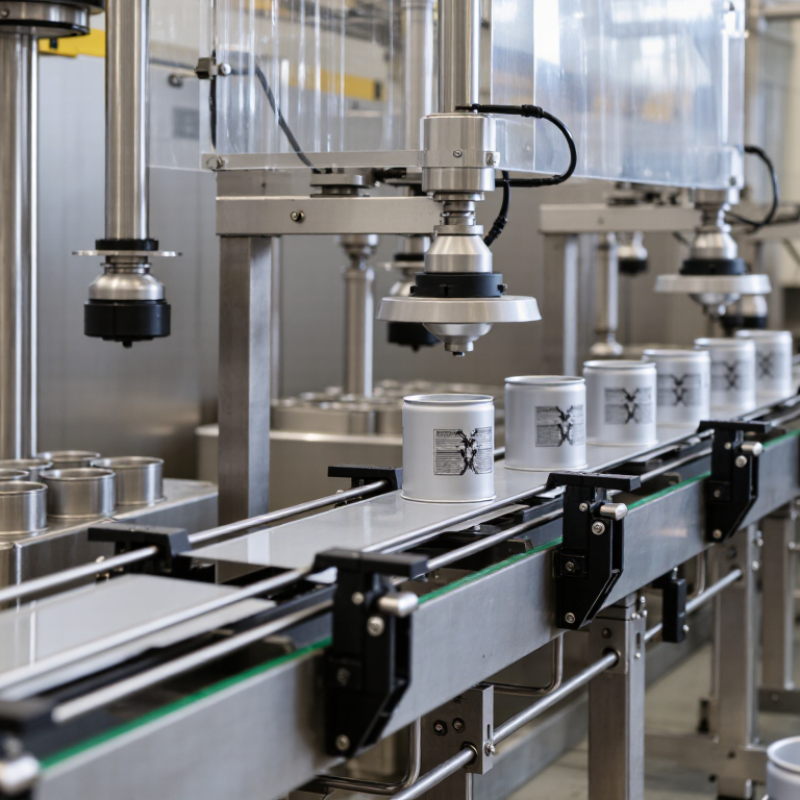
Spray can machinery is a group of industrial systems used to produce, fill, seal, test, and pack aerosol cans. It does not describe one machine. Instead, it is a connected production line. Empty metal bodies move through guided conveyors while sensors check their position. Valves, products, and propellants are added in controlled stages. Pressure and cleanliness must remain consistent.

The main types include can-making machinery, filling machinery, crimping machinery, testing equipment, and packaging systems. Can-making machines shape aluminum or tinplate into cylindrical bodies. Filling machines measure the product accurately before inserting the valve. Crimping machines press the valve onto the can neck, creating a tight seal. Leak-testing units may use pressure checks, water baths, or electronic sensors. Labeling and case-packing machines prepare finished cans for storage and shipment.

Each system has a different responsibility. Together, they control speed, accuracy, and worker safety. Modern lines often include automatic inspection cameras and programmable controls. These tools can detect dents, missing valves, or incorrect labels within seconds. However, automation is not perfect. Dust, worn seals, or poor calibration can still cause failures. Experienced operators inspect samples, record pressure readings, and adjust settings carefully. The process also depends on local safety standards, approved materials, and proper ventilation. Small details matter. A slightly damaged rim may affect sealing, while an inaccurate fill can change spray performance. In practice, reliable machinery requires both precise engineering and regular human judgment.

What Is Spray Can Machinery and How Does It Work?

Spray can machinery is a group of automated systems used to form, coat, fill, seal, and inspect aerosol cans. The main types include can-forming equipment, coating and printing lines, aerosol filling machines, and leak or pressure testing equipment.

The chart shows the number of core production functions commonly associated with each machinery type. It describes functional scope, not production speed or capacity.

Key Components and Their Functions

Spray can machinery is an integrated production line for making sealed, pressure-resistant containers. It processes metal sheets or preformed can bodies through several controlled stations. A typical system includes a sheet feeder, body former, seam welder, coating unit, filler, valve inserter, and crimping head. Each component manages a specific production risk.

The feeder aligns metal accurately before forming begins. The body former rolls the sheet into a cylindrical shape. A seam welder then joins the edges using controlled heat, pressure, and electrical energy. Uneven welding can create weak points. After welding, an internal coating unit protects the metal from corrosion and product contact. A curing oven hardens this coating under a measured temperature.

The filler meters the approved contents into each container. Its sensors help maintain consistent volume and reduce waste. The valve inserter positions the valve, while the crimping head seals it firmly onto the can. Crimp depth matters. A poor seal may cause leakage or unstable pressure. Leak testers inspect finished cans through pressure checks or water-bath equipment. Conveyors synchronize every station, but timing errors still occur. In plant practice, operators regularly check alignment, temperature, weld strength, and filling accuracy. Metal thickness, coating condition, and machine wear can change results, so fixed settings should not be trusted forever.

How Spray Cans Are Manufactured Step by Step

What Is Spray Can Machinery and How Does It Work?

Spray can production begins with metal coils, usually aluminum or tinplate. A decoiler feeds the sheet into a press at a controlled speed. Deep-drawing tools shape flat circles into seamless cups. The cup then passes through ironing stations, which reduce wall thickness and increase height. It looks simple, but tiny variations can cause leaks later.

Cleaning removes oil and metal dust. Internal coating equipment applies a thin protective layer, then curing ovens harden it. Printing machines add graphics before necking equipment forms the shoulder and opening. AEROBAL’s 2023 industry statistics reported more than six billion aluminum aerosol containers from member companies, showing the scale of this highly automated process. Quality teams inspect coating coverage, dimensions, and surface marks. Some defects remain difficult to detect visually.

The finished container moves to a filling line. First, the product is dosed by weight or volume. The valve is positioned and crimped onto the opening. Propellant is then added through the valve or by pressure filling, depending on the design. Automatic testers check leakage, pressure behavior, fill weight, and valve function. FEA industry statistics have reported billions of aerosol units produced annually in Europe, where testing routines are tightly controlled. Machines improve consistency, though no line is perfect. A missed coating pinhole can matter more than a clean appearance. That is why sampling, calibration, and human review still belong beside automation.

What Is Spray Can Machinery and How Does It Work? - How Spray Cans Are Manufactured Step by Step

Step Manufacturing Stage Main Machinery How It Works Typical Output or Control Point
1 Material Preparation Sheet feeder and metal inspection system Coiled or flat metal sheet is uncoiled, leveled, cut, and inspected before forming. Common can materials include tinplate steel and aluminum. Uniform sheet thickness, clean surfaces, and accurate blank dimensions.
2 Sheet Printing or Coating Coating line, printing press, and curing oven Protective coatings or decorative graphics are applied to the metal. The coated sheet is cured so the film adheres and becomes resistant to handling. Even coating coverage, color consistency, adhesion, and surface protection.
3 Blanking and Body Forming Blanking press, body maker, or draw-and-wall-ironing machine Metal blanks are cut and formed into cylindrical bodies. Depending on the can design, the process may create a seamless body or a welded side seam. Consistent diameter, height, wall thickness, and roundness.
4 Side-Seam Welding Electric-resistance welding machine For three-piece cans, overlapping edges are joined using controlled electrical current and pressure. The seam may then receive a protective coating. Continuous, leak-resistant seam with controlled weld overlap and strength.
5 Necking and Beading Necker and beading machine The upper end of the body is reduced to the required valve-cup diameter. Beads may be formed around the body to increase rigidity and resistance to internal pressure. Correct neck diameter, stable profile, and improved can stiffness.
6 Internal Lining Spray-coating or powder-coating system with curing oven An internal protective lining is applied when compatibility with the formulation requires it. The lining helps separate the contents from the metal surface. Complete coverage, correct film thickness, and resistance to the filled product.
7 Valve Component Assembly Valve inserter and crimping machine The valve, gasket, dip tube, and mounting cup are positioned at the can opening. The cup is crimped to create a sealed connection. Correct valve orientation, crimp diameter, gasket compression, and seal integrity.
8 Product Filling Liquid filling machine and metering system The formulation is dosed through the valve or before valve placement, depending on the filling method. Filling equipment controls volume and minimizes contamination or spillage. Accurate fill mass or volume, clean valve area, and controlled product temperature.
9 Propellant Charging Propellant filling machine and pressure-control system A liquefied or compressed propellant is introduced under controlled conditions. The selected propellant depends on spray performance, formulation compatibility, and applicable safety requirements. Target pressure, correct propellant quantity, and stable spray delivery.
10 Actuator and Cap Installation Actuator placer and cap assembly machine The actuator is pressed onto the valve stem, and the protective cap is fitted to the can. Automated vision systems may verify presence and orientation. Secure fit, correct spray direction, and complete component placement.
11 Leak and Pressure Testing Water-bath tester, pressure tester, or automated leak detector Filled cans are checked for leaks, damaged seams, faulty valves, and abnormal pressure behavior. Testing methods vary according to the can design and regulations. No visible leakage, acceptable pressure response, and safe container condition.
12 Final Inspection and Packing Vision inspection system, checkweigher, and case packer Cans are inspected for appearance, weight, coding, cap placement, and packaging accuracy before being packed for storage or shipment. Traceable, correctly labeled, undamaged, and shipment-ready products.
How a Spray Can Works: Pressing the actuator opens the valve. Internal pressure pushes the formulation through the dip tube and valve, where it mixes with or is driven by the propellant. The actuator and nozzle then shape the liquid into a controlled spray pattern.

Filling, Sealing, and Pressure Testing Processes

What Is Spray Can Machinery and How Does It Work?

Spray can machinery coordinates filling, sealing, and pressure testing with careful timing. Most lines begin by feeding empty cans into stable, guided positions. Operators inspect the cans for dents, contamination, or damaged rims. Filling heads then dispense the measured product into each container. Product volume is measured by time, weight, or flow control. Temperature control matters because viscosity can change during production. Even a small variation may affect spray performance. The process is not perfectly linear.

After filling, the machine positions a valve assembly over each can. An automated seaming or crimping unit secures the valve to the rim. Correct alignment creates a consistent seal around the opening.

Too little pressure may cause leakage. Too much pressure can deform the can or valve. That balance requires practical adjustment.

Pressure testing follows the sealing stage. Test chambers or water-bath systems help identify leaks safely. Machines monitor pressure loss, seal stability, and container condition. Failed cans are removed from the production flow. Small errors matter.

Reliable production depends on trained technicians and documented inspection routines. Technicians verify fill weights, crimp dimensions, and test settings at regular intervals. They also review rejected units instead of treating them as simple waste. A clean nozzle helps prevent blocked spray patterns.

Calibration records help trace changes over time. In practice, no line is flawless, and operators must question unusual results. An experienced team combines sensor readings with careful visual checks. Still, every result deserves a second look.

Safety Controls, Quality Checks, and Common Applications

Spray can machinery fills, crimps, pressure-tests, and labels aerosol containers. A typical line uses sensors to confirm can position before filling. Automatic shutoffs stop pumps when pressure, weight, or temperature moves outside limits. Operators also monitor grounding, ventilation, and static-control systems. These details matter because the European Aerosol Federation reported more than 5 billion aerosol units produced in Europe during recent industry statistics. One missed signal can affect thousands of cans.

Quality checks occur at several points. Load-cell systems verify fill weight, while vision cameras inspect valves, seams, coding, and damaged surfaces. Pressure testing can identify weak crimps or leaking containers before packing. ISO 11118 and related container standards provide technical limits for non-refillable metal aerosol packages. In practice, however, calibration drift remains an ordinary problem. A clean display does not always mean a correct reading. Experienced teams compare machine data with manual samples, often recording results at defined intervals.

These lines serve personal-care, household, medical, automotive, and industrial maintenance applications. Product type changes the required valve, actuator, propellant, and filling method. Safety controls must also match the material’s hazards. The U.S. National Fire Protection Association emphasizes ventilation, ignition control, and classified electrical equipment for flammable environments. Workers should test emergency stops and inspect hoses before each shift. Small leaks still deserve attention. They are often early warnings, not minor defects.