Blog

Screw Air Compressor Tips for Optimal Performance and Efficiency?

In the world of industrial machinery, the Screw Air Compressor plays a critical role in numerous applications. Industry expert John Smith, a veteran in compressor technology, once stated, "Maximizing efficiency requires understanding the nuances of your Screw Air Compressor." This highlights the need for careful consideration of operational practices to ensure optimal performance.

Many facilities use Screw Air Compressors, but not everyone recognizes their full potential. Regular maintenance, proper settings, and awareness of energy consumption are essential. An oversight in these areas can lead to inefficiency and costly downtime. Each component of a Screw Air Compressor contributes to its effectiveness, so attention to detail is vital.

Improving the performance of a Screw Air Compressor is not just about upgrades. It often involves refining existing practices and making small adjustments. This can include monitoring ambient temperatures or ensuring clean air intake. A failure to implement even minor changes can result in significant losses. By following best practices and considering insights from experts, users can unlock the true capabilities of their Screw Air Compressors.
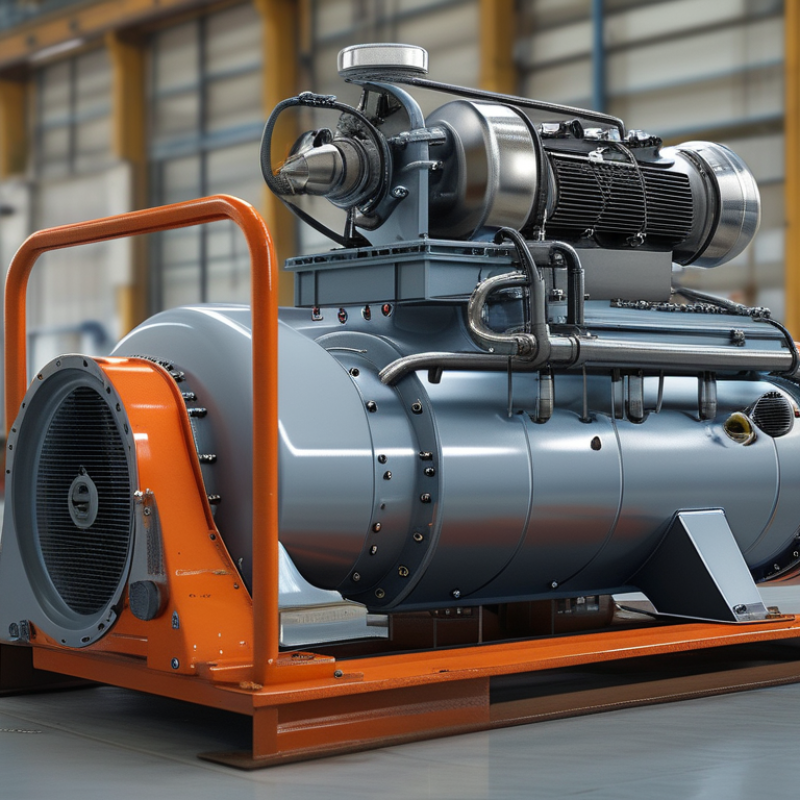
Screw Air Compressor Tips for Optimal Performance and Efficiency?

Screw Air Compressor: Understanding the Basics and Components

Screw air compressors are known for their efficiency and reliability, making them popular in various industries. Understanding the basics and components of these machines is crucial for optimal performance. The main components include the rotor, air intake system, and cooling system. The rotor compresses the air, and any issues here can affect overall functionality. Regular inspection and maintenance of these parts are essential.

For optimal performance, focus on air intake quality. Clean the intake filters routinely to prevent dust and debris from entering the system. A dirty filter can lead to inefficient operation. Monitor the oil levels regularly as well. Insufficient lubrication can cause significant wear and tear on the compressor components.

Another area to consider is the cooling system. Ensure that the compressor does not overheat during operation. Overheating can lead to malfunctions and costly repairs. Installing temperature gauges can help in monitoring the system. Use thermal imaging occasionally to identify potential hotspots, which might indicate inefficiencies. Always keep track of any unusual noises or vibrations, as they may signal underlying issues that need attention.

Screw Air Compressor Tips for Optimal Performance and Efficiency

Aspect Details Optimal Settings Maintenance Tips
Operating Pressure General recommended operating pressure for efficiency 80-100 psi Regularly verify with gauges and adjust settings as needed
Temperature Control Maintaining proper temperature to avoid overheating Less than 80°C Use cooling systems and ensure ventilation
Oil Level Checking oil levels to ensure smooth operation Maintain between min and max levels Change oil as per manufacturer's recommendations
Air Filter Impact of air filter on air quality and compressor efficiency Replace every 500 hours of operation Regularly check and clean or replace as necessary
Vibration Monitoring Assessing the balance and operation of compressor Minimal vibration acceptable Schedule routine inspections for wear

Key Factors Affecting Performance and Efficiency in Screw Compressors

Understanding the key factors that influence the performance and efficiency of screw compressors is crucial for optimizing their operation. One primary factor is the ambient temperature. Studies suggest that operating temperatures above 30°C can reduce efficiency and increase wear. It’s essential to maintain an optimal temperature to prolong the compressor's life. Regular cooling system maintenance is vital, as it directly impacts the compressor’s heat dissipation capabilities.

Another crucial element is lubrication. The right oil ensures proper functioning and reduces friction. A report from the Compressed Air and Gas Institute highlights that incorrect oil viscosity can lead to a 15% drop in efficiency. Choosing quality lubricants can mitigate overheating and extend lifespan. Monitoring oil levels and condition regularly is part of a proactive maintenance strategy that aids in performance.

Air intake quality also plays a significant role. Contaminants in the intake air can lead to both efficiency losses and potential damage. Filters should be inspected regularly to prevent blockages that can reduce airflow. Inadequate airflow can diminish output by 10 to 20%. Establishing a routine checkup for air filters is essential, as clean air leads to better efficiency and lower operational costs.

Optimal Maintenance Practices to Extend Screw Compressor Lifespan

Maintaining a screw air compressor is essential for optimal performance and longevity. Regular maintenance practices can prevent breakdowns and enhance efficiency. One effective practice is to ensure the compressor is clean. Dust and debris can hinder airflow and reduce efficiency. Regularly clean or replace filters as needed.

Check lubrication levels frequently. Proper lubrication reduces wear and ensures the compressor runs smoothly. Use the right type of oil and monitor for any signs of contamination. It’s crucial to maintain the correct oil temperature as well. High temperatures can lead to rapid degradation of lubricants.

Another aspect to consider is monitoring pressure levels. Abnormal pressure can indicate underlying issues. Regularly inspect safety valves and pressure gauges. Addressing minor issues promptly can prevent costly repairs later. Keeping detailed logs of maintenance activities also helps track performance over time. Maintain a consistent schedule to help avoid unexpected breakdowns. Regular attention to these details will improve compressor efficiency and extend its operational life.

Common Issues and Troubleshooting for Screw Air Compressors

Screw air compressors are essential in various industries. However, they can face several common issues affecting performance and efficiency. A study by the Compressed Air and Gas Institute reveals that inefficient air compressors waste up to 30% of their energy. This not only increases operating costs but also contributes to unnecessary wear and tear.

One frequent problem is overheating. When a compressor overheats, it can lead to premature failure. This is often due to inadequate cooling airflow or lack of maintenance. Regular inspection of filters and cooling fans can prevent this issue. Additionally, vibration can be another significant issue. Excessive vibration often indicates alignment problems or worn-out mounts. Ignoring these signs can lead to more extensive damage and costly repairs.

Another area of concern is system leaks. Studies have shown that even small leaks can account for a 20% loss in efficiency. Implementing a routine leak detection program is critical. Keeping a log of compressor performance can help in identifying trends over time. These simple practices can enhance reliability and ensure that your screw air compressor operates at optimal levels. The key lies in proactive maintenance and understanding the common pitfalls.

Latest Technological Advancements in Screw Air Compressor Design

Screw air compressors have seen significant advancements in design, enhancing their efficiency and reliability. Recent studies show that modern screw air compressors can achieve energy savings of up to 15-30% compared to older models. This is largely attributed to the implementation of variable speed drives (VSDs), which adjust the motor speed based on air demand. The integration of VSD technology allows for smoother operation and less energy waste during low demand periods.

Another key development is the introduction of advanced cooling systems. These innovative designs utilize both air and water cooling techniques, optimizing thermal management within the compressor. According to industry data, a well-designed cooling system can reduce operating temperatures by up to 10%. Such reductions can lead to extended equipment lifespan and fewer maintenance needs, which improves overall productivity.

However, while these technological advancements are promising, challenges remain. Many users struggle to fully utilize the capabilities of modern compressors. Often, there is a gap between technology adoption and user education. As a result, systems may not perform optimally. Continuous training and awareness programs are essential to bridge this gap, ensuring users can leverage the latest features effectively.