
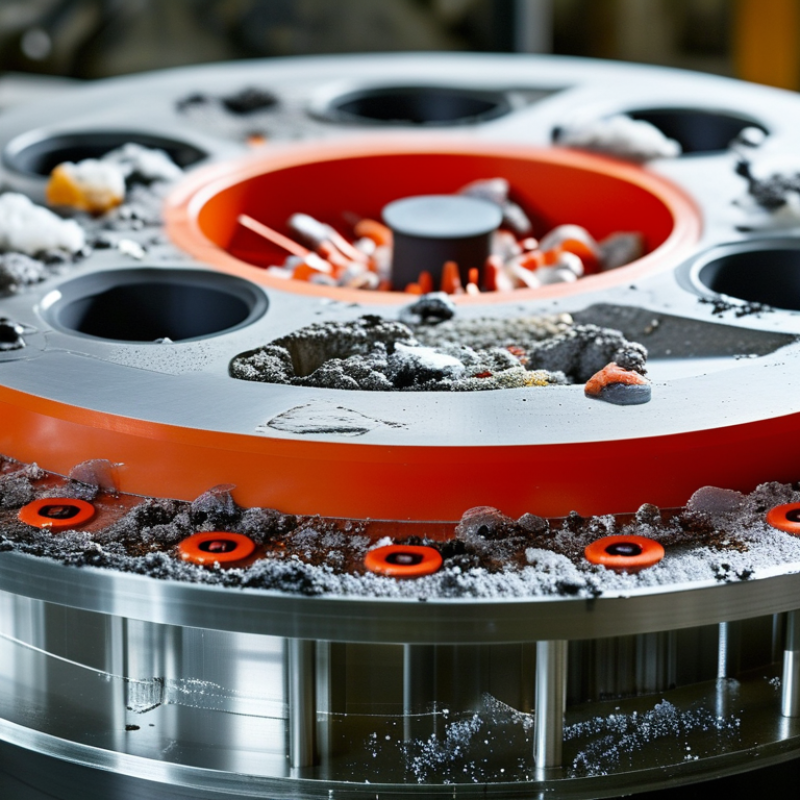
A melt filtration disc is a flat, porous component used to clean molten material during processing. It usually contains woven metal mesh, sintered metal, or layered filtration media. The disc sits inside a melt flow path, often before a die or forming tool.
Its purpose is simple: remove unwanted particles before they damage equipment or affect product quality. Rust flakes, unmelted pellets, carbonized material, and other debris may enter the melt. As the material passes through the disc, these contaminants remain on the filtration surface. The cleaned melt continues downstream under controlled pressure.
Small details matter. Filtration performance depends on pore size, disc thickness, material compatibility, and operating temperature. A finer opening can capture smaller particles, but it may also restrict flow more quickly. This trade-off is easy to underestimate. Excessive pressure can reduce output and place stress on pumps, screens, and seals.
In plant operation, pressure readings provide useful evidence. An operator may notice a gradual pressure increase as contaminants collect on the disc. That observation can indicate loading, but it is not absolute proof. A disc can appear clean while its pores remain partially blocked. Temperature changes can also alter melt viscosity and distort the diagnosis. Maintenance records should connect pressure, throughput, temperature, and replacement timing. No filter is perfect. Unexpected contamination still requires investigation of upstream handling and processing conditions.