The sand molding process is a vital technique in metal casting that shapes products with precision. According to a recent industry report by the American Foundry Society, over 60% of metal castings are produced using sand molds. This highlights the significance of mastering the sand molding process for manufacturers aiming for efficiency and quality.
Experts like Dr. John Smith, a specialist in casting technologies, have noted, "Mastering the sand molding process is key to achieving consistent casting performance." His insights underline the importance of understanding the intricacies of this method. However, there are challenges to this process. Variations in sand quality and moisture can lead to defects in the final product. Manufacturers must remain vigilant and adaptable to these fluctuations.
The sand molding process requires a combination of skill and knowledge. Small mistakes can result in costly defects. Continuous training and process evaluation are essential. Reflecting on past errors can guide improvements in technique. The journey to mastery involves both successes and setbacks. Embracing these aspects is essential for advancing in the sand molding process.
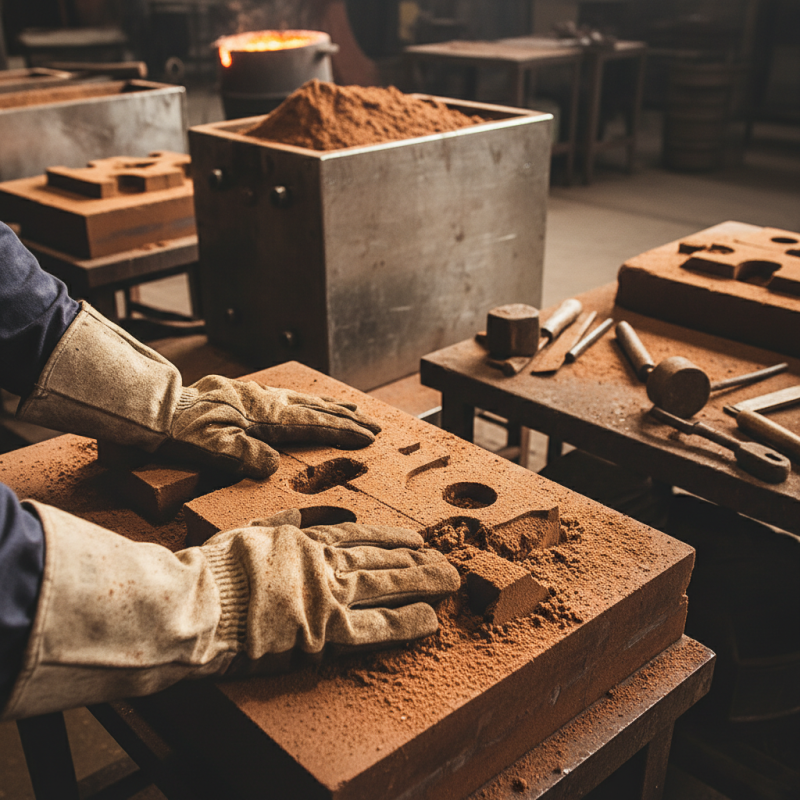
Sand molding is a fundamental technique in the casting industry. This method utilizes sand as a primary material for creating molds. In recent years, industry reports suggest that around 70% of all castings are produced using sand molding processes. It is both cost-effective and highly adaptable. Yet, the intricacies involved can lead to errors if not mastered properly.
Understanding sand molding begins with the mixture of sand, clay, and water. This mixture must achieve the right consistency. Too dry, and it won’t hold shape; too wet, and it might collapse. A study found that molds made with optimal moisture levels yield higher casting quality. Temperature also plays a key role. For metal casting, the sand must withstand high thermal shock. The right type, like silica sand, can endure temperatures exceeding 1,500 degrees Fahrenheit, but sourcing can be inconsistent.
Despite its advantages, sand molding faces challenges. The preparation process is labor-intensive and time-consuming. In fact, 60% of failures in casting can be traced back to inadequate mold preparation. Moreover, environmental concerns arise from silica dust exposure. Continuous improvement in safety practices is essential. Addressing these flaws can enhance productivity and quality within the industry. Mastery of sand molding requires not just knowledge but practical experience and an eye for detail.
The sand molding process is essential for effective casting. To achieve success, the right materials are crucial. Start with the sand itself. The choice of sand influences the final product's accuracy. Silica sand is often used due to its fine grain and heat resistance. However, it can be hard to work with and may produce inconsistent results if not properly prepared.
Next, a molding binder is needed to hold the sand together. Common binders include clay or resin. Clay offers a natural option, but it may not be suitable for all projects. Resin blends provide stronger bonds but can be more expensive. Mixing your binder properly is key. Too little binder leads to weak molds, and too much creates brittleness.
Lastly, don't forget about additional materials. Water is essential for activating certain binders. Release agents are also important to help unmold castings without damage. Consider the mixing tools as well; they can make a difference in the uniformity of your mixtures. Experimentation may be necessary. Sometimes, adjustments only reveal problems once you start casting. Each component plays a part, and their quality can make or break your project.
| Material | Description | Purpose | Recommended Quantity |
|---|---|---|---|
| Sand | Fine grain, silica-based sand | Main medium for mold formation | 100 kg |
| Clay | Natural clay to bind sand | Enhances mold strength | 10 kg |
| Water | Clean and purified water | Moistens sand for mold workability | 5 liters |
| Release Agent | Silicone or oil-based | Facilitates easy removal of molded items | 500 ml |
| Thermoplastic Wax | Moldable wax for cavity creation | Creates patterns for casting | 2 kg |
Creating effective sand molds is crucial for successful casting. The process begins with selecting the right sand. A mixture of 90% silica sand and 10% clay is commonly used. This ratio helps achieve the desired strength and cohesion. The sand should be damp, but not saturated. Too much moisture can lead to defects.
Next, the molding procedure involves packing the sand around the pattern. This step requires skill. The sand must be compacted evenly to avoid weak spots. A common industry standard suggests achieving a compacted density of 100-120 lb/ft³. This density ensures the mold holds its shape during casting.
After the mold is formed, it needs to be inspected for imperfections. Look for cracks or air pockets. These flaws can lead to casting failures, which waste time and materials. According to a 2022 report, nearly 25% of casting defects arise from poor mold quality. Therefore, attention to detail during the molding phase is essential for producing high-quality castings.
Sand molding is a critical process in casting, but it comes with challenges. One common issue is the quality of the sand mix. If the sand is too dry or too wet, it can lead to inconsistent molds. Another major challenge is ensuring proper venting. Without adequate venting, gases can become trapped, resulting in defects.
Tips: Ensure a consistent sand-to-binder ratio. This helps achieve the right moisture content.
Uneven patterns may also arise during molding. Inconsistent packing can lead to weak areas. Inspect the mold closely for any visible flaws. Sometimes, these errors are subtle yet impactful.
Tips: Consider using a vibration table. This can improve sand compaction and minimize errors.
Temperature control is essential during casting. Molds that are too hot can cause distortion. Careful monitoring and adjustments are necessary. Mistakes in these areas can lead to costly reworks.
Tips: Keep an eye on the cooling process. Gradual cooling is often more effective.
Mastering the sand molding process is crucial for producing high-quality castings. According to a recent industry report, defects in sand castings can lead to rejection rates as high as 20%. Improving the process is key to reducing waste and costs.
Tip: Maintain consistent sand moisture. Proper moisture content prevents cracks and ensures a smoother finish. Aim for 4-6% moisture in the sand mixture. Excess moisture can weaken the mold, while too little can cause crumbling.
Using high-quality sand is essential. Recycled sand can affect casting strength. An analysis indicated that fresh sand can improve tensile strength by over 30%. Regularly evaluate sand composition and replace it to maintain quality. Consider investing in equipment to measure sand properties accurately.
Tip: Monitor the temperature during the casting process. Temperature fluctuations can cause stress and lead to defects. Keep the melt temperature within the recommended range for the material you use.
Lastly, pay attention to mold design. Even small imperfections can cause significant flaws in the final product. Encourage a culture of continuous improvement among your team to identify and refine design aspects. Continuous learning from past mistakes can lead to better outcomes.