
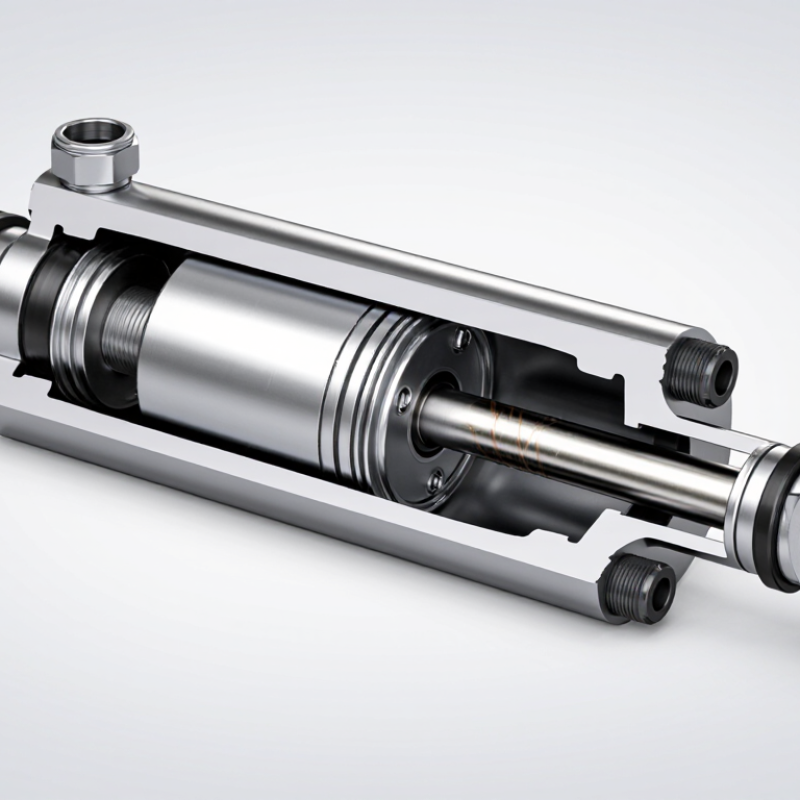
What Are Hydraulic Ram Components?
How Component Design Influences Performance and Maintenance
A hydraulic ram pump uses flowing water to move a smaller amount of water to a higher level. Its performance depends on how the drive pipe, waste valve, delivery valve, and air chamber work together. Small mismatches matter. Pipe length and diameter affect the pressure pulse, while valve weight and travel influence how reliably the pump cycles. The right settings depend on the installation, not just the component list.
The waste valve opens to let water escape, then closes to create a pressure surge. If it sticks or wears unevenly, cycling may become erratic. The delivery valve directs part of that surge into the delivery pipe and air chamber. Inside the chamber, trapped air cushions pressure changes and helps maintain flow. Not magic. If air is lost, the pump may become noisy or experience harsher shocks.
Maintenance starts with observation. Check valve movement, seals, pipe joints, and the chamber for leaks or unusual vibration. Before opening pressurized parts, isolate the water supply and release pressure safely. A common oversight is replacing a worn valve without checking why it wore: grit, misalignment, or unsuitable cycling conditions may remain. Keep simple notes on sound, flow, and service dates. They are imperfect, but useful when a gradual change is easy to miss.