Blog

Why is a Cabin Filter Important for Your Car?

The importance of a Cabin Filter in your car often goes unnoticed. Many drivers overlook this essential component. A cabin filter plays a key role in maintaining air quality inside the vehicle. It filters out dust, pollen, and pollutants. Without it, drivers and passengers might breathe in harmful substances.

A clean cabin filter contributes to better health. It can reduce allergies and respiratory issues. However, neglecting this filter can lead to a buildup of contaminants. Over time, the air quality in your car may worsen. This can result in discomfort during drives. Regular checks are crucial, yet many forget to inspect this part.

Think about your driving experience. Are you often bothered by odors or poor airflow? These could be signs that your cabin filter needs attention. Reflecting on its condition can lead to a more pleasant driving environment. The cabin filter might seem small, but its impact is significant.
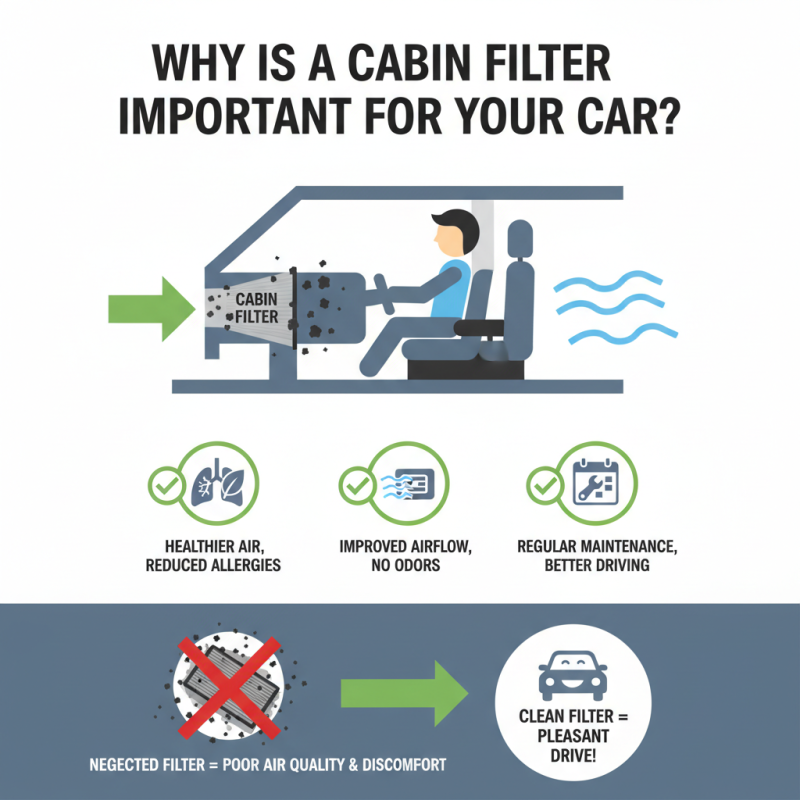
Why is a Cabin Filter Important for Your Car?

Importance of Cabin Filters in Automotive Air Quality Management

Cabin filters play a crucial role in maintaining air quality inside your vehicle. They trap dust, pollen, and other airborne particles. This helps create a clean environment for passengers. Without a functioning cabin filter, harmful pollutants can enter the car easily. It’s alarming that so many drivers overlook this simple component.

Over time, cabin filters can become clogged. A dirty filter allows less air to flow. This can result in foggy windows and unpleasant odors. Many people don’t realize the risk of allergens in the air. Regular maintenance of cabin filters is often neglected.

Consider this: how often do you check yours? A neglected filter can lead to health issues, especially for sensitive individuals. Poor air quality may also impact driver focus. Maintaining the cabin filter isn't just good practice; it’s essential for comfort and safety. Keep an eye on it to avoid unwanted surprises.

How Cabin Filters Help Prevent Pollutants Inside Your Vehicle

Cabin filters play a crucial role in keeping the air inside your vehicle clean. They work by trapping dust, pollen, and other pollutants. This ensures that the air you breathe is healthier. A dirty filter can allow these particles to enter your cabin. You may not notice the gradual decline at first.

Over time, allergens can build up. This might lead to allergy symptoms or respiratory issues. A cabin filter helps by filtering out these irritants. If it’s not replaced regularly, your filter loses efficiency. This can trap moisture, leading to mold growth. That’s not something anyone wants to breathe in.

Moreover, consider the impact on your comfort. Poor air quality inside your car can make long journeys unpleasant. You might find yourself sneezing or coughing. It’s easy to overlook this maintenance task. Yet, a clean cabin filter can enhance your driving experience significantly. Keeping your vehicle’s air clean should not be an afterthought.

Impact of Cabin Filters on HVAC System Efficiency and Longevity

The cabin filter plays a crucial role in maintaining your car’s HVAC system. It traps dust, pollen, and other pollutants. This process ensures clean air for passengers. When the filter is clogged, airflow diminishes. You might notice that your air conditioning system works harder. This extra effort can lead to increased wear and tear on the system.

Regularly changing the cabin filter can enhance HVAC efficiency. A clean filter allows for better airflow and temperature control. It helps the system run smoothly, which may extend its lifespan. Neglecting maintenance can cause issues. A dirty filter can harbor mold and bacteria, compromising air quality. This could lead to health concerns for passengers, which many drivers overlook.

Drivers often forget about the cabin filter. It’s out of sight, and some may assume it’s low priority. However, skimping on this maintenance can be costly. Repairing an HVAC system due to neglect can be avoided. Taking proactive steps with the cabin filter can save headaches in the long run. Regular check-ups and replacements are keys to a healthier car environment.

Statistics on Allergens and Particulate Matter in Vehicle Interiors

Many vehicles trap allergens and particulate matter inside their interiors. A cabin filter plays a key role in reducing these pollutants. Studies show that inside a car, the air quality can be worse than outside. Dust, pollen, and exhaust fumes can seep in through the ventilation system. Without a proper filter, these irritants can linger.

Statistics reveal that a significant portion of people suffer from allergies. In fact, approximately 50 million adults in the U.S. experience allergic reactions. Many of these reactions can be triggered by airborne particles in vehicles. Smaller particles, like smoke and dust, can cause discomfort. They can also lead to health complications over time.

Many drivers forget about the cabin filter. They often overlook its impact on air quality. A filter that is not replaced regularly can accumulate debris. This can decrease airflow and increase allergens. A simple maintenance task can make a noticeable difference. Regularly checking the cabin filter can create a healthier driving environment.

Why is a Cabin Filter Important for Your Car? - Statistics on Allergens and Particulate Matter in Vehicle Interiors

Pollutant Type Average Concentration (µg/m³) Health Impact
Dust Particles 30 Respiratory issues, Allergies
Pollen 20 Allergic Rhinitis, Asthma
Mold Spores 15 Respiratory problems, Allergies
Volatile Organic Compounds (VOCs) 50 Eye irritation, Headaches, Long-term health effects
Carbon Monoxide 5 Dizziness, Shortness of breath, Fatigue

Recommendations for Cabin Filter Maintenance and Replacement Frequency

A cabin filter is key for maintaining air quality inside your vehicle. Over time, it captures dust, pollen, and pollutants. According to industry reports, a clean cabin filter can trap up to 95% of airborne particles. Neglecting this filter leads to reduced airflow and unpleasant odors.

For optimal performance, change your cabin filter every 15,000 to 30,000 miles. Some vehicles may require more frequent changes, especially in urban areas. A CDC report notes that poor air quality can lower passenger comfort. This is particularly critical for individuals with allergies or respiratory issues.

Inspect your cabin filter regularly. Look for dirt and debris buildup. Even if manufacturers suggest longer intervals, drivers need to assess their specific environment. Seasonal changes can dramatically influence how quickly a filter becomes clogged. Paying attention can prevent larger problems in your car's ventilation system.

Article Source: