Blog

What is a Hydraulic Proportional Valve and How Does it Work?

In the world of hydraulic systems, the Hydraulic Proportional Valve plays a critical role. Experts in the industry, like Dr. John Smith, highlight its importance, stating, "The Hydraulic Proportional Valve is essential for precise control." This valve allows for fine adjustments in flow rates, making it essential for various applications.

Understanding how a Hydraulic Proportional Valve functions can be complex. It uses an electrical signal to adjust the fluid flow. This process ensures machinery operates smoothly and efficiently. Mistakes in setting up these valves can lead to inefficiencies and increased costs.

Many engineers encounter challenges while working with these valves. There are often problems in achieving the desired response. Furthermore, each application may require different approaches. The learning curve can be steep, but mastering the Hydraulic Proportional Valve is worth the effort.
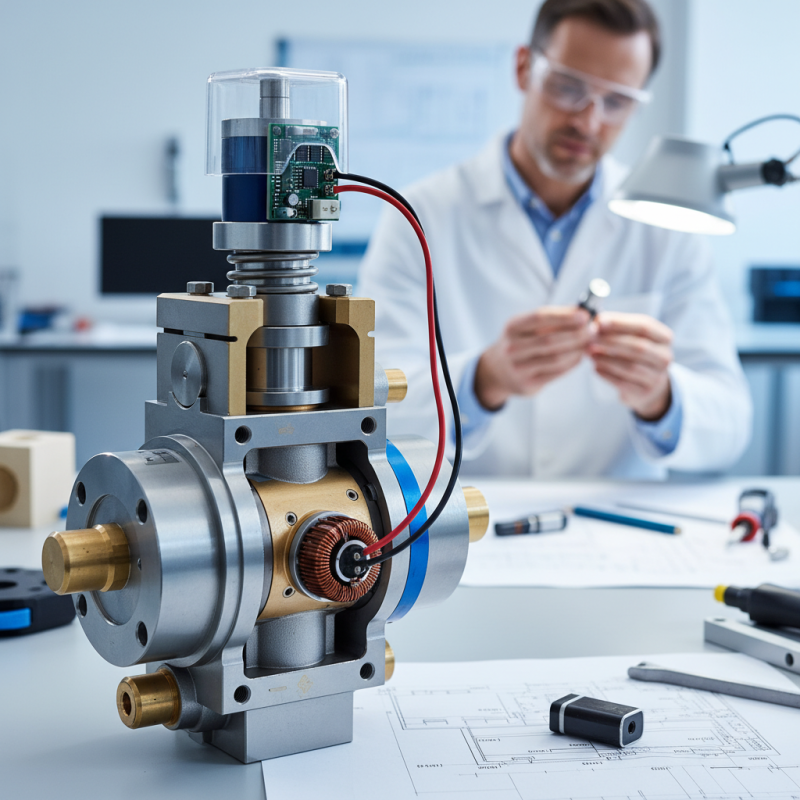
What is a Hydraulic Proportional Valve and How Does it Work?

What is a Hydraulic Proportional Valve: Definition and Functionality

A hydraulic proportional valve is essential in many industrial applications. It regulates fluid flow and pressure with precision. These valves adjust based on the electrical signal received, allowing for fine control of machinery. According to a market research report, the global hydraulic valve market is projected to reach $3.8 billion by 2026. This growth highlights the importance of efficient hydraulic systems.

Functionally, hydraulic proportional valves work by shifting internal components in response to input signals. This responsiveness is critical for applications that require variable speed and torque. However, issues like wear and tear can affect performance over time. For instance, a worn valve may not respond accurately and can lead to inefficiencies. In a study, nearly 15% of hydraulic systems reported problems due to valve failure, emphasizing the need for regular maintenance.

While these valves offer tremendous control, they are not without drawbacks. Installation complications can arise, and incorrect settings may lead to system malfunctions. Additionally, the typical failure rate can vary significantly based on the operating conditions and environment. Regular monitoring and adjustment are necessary to avoid potential pitfalls. Understanding these details is crucial for optimizing hydraulic systems and ensuring longevity.

Key Components of Hydraulic Proportional Valves and Their Roles

Hydraulic proportional valves are essential in various fluid control systems. Their key components include the valve body, actuator, and control system. Each part plays a unique role in ensuring precision and efficiency in hydraulic applications.

The valve body houses the internal components and fluid pathways. It is often made from durable materials. This ensures it can withstand high pressure. The actuator is vital. It converts the electrical signal into mechanical movement. This action adjusts the flow of hydraulic fluid effectively. Without a reliable actuator, performance suffers.

The control system is the brain of the valve. It interprets signals and adjusts the actuator's position. This process allows for smooth control of fluid flow and pressure. Issues in the control system can lead to erratic valve behavior. Sometimes, even small errors have significant impacts. Understanding these components helps improve usage and maintenance.

Principles of Operation: How Hydraulic Proportional Valves Control Flow

Hydraulic proportional valves play a crucial role in controlling fluid flow in hydraulic systems. They adjust the flow rate based on an input signal, allowing precise movement and operation of machinery. When the valve receives a signal, it alters the opening size. This change directly impacts the flow rate of the hydraulic fluid, enabling smooth transitions and accurate positioning.

The principles behind these valves involve feedback loops and sensors. When the flow varies, sensors detect changes and communicate with the valve. This creates a responsive system that adapts to different conditions. Adjustments happen in real-time, which creates a more efficient operation. However, achieving perfect control can be challenging. Environmental factors can affect sensitivity, leading to delays and inaccuracies.

Users often encounter issues with calibration and responsiveness. Sometimes, the signals sent do not match the actual flow rate. These discrepancies can lead to unexpected machine behavior. Assessing the valve's performance regularly is essential. Neglecting this can result in inefficiencies and potential breakdowns over time. Understanding how these systems work is vital for optimizing functionality. It’s a balancing act that requires ongoing attention.

Applications of Hydraulic Proportional Valves in Various Industries

Hydraulic proportional valves play a crucial role in various industries. They control fluid flow and pressure precisely. This technology ensures efficient operation in many applications. In construction, for example, these valves enhance the performance of heavy machinery. A report from Research and Markets indicates that the hydraulic valves market is expected to grow significantly, with a projected value of over $25 billion by 2025.

In the automotive sector, hydraulic proportional valves optimize braking systems. They allow for smoother operation and increased safety. According to a study by MarketsandMarkets, the automotive hydraulic systems market is projected to reach $60 billion by 2026. This growth reflects increasing demand for advanced vehicle functionalities. However, the complexity of these systems can be challenging. Many users may struggle with maintenance and calibration issues. Frequent training is necessary for optimal performance.

The aerospace industry also leverages hydraulic proportional valves. They ensure precise control in flight systems. Data from the International Air Transport Association (IATA) highlights that the aviation sector is rebounding, emphasizing the need for efficient systems. However, this growth may not be without challenges. Industries must adapt to new technologies while ensuring safety and reliability. Balancing innovation with practicality remains a concern across sectors.

Performance Metrics: Efficiency, Pressure Ratings, and Response Time

Hydraulic proportional valves play a crucial role in many hydraulic systems. Their performance metrics are vital for efficient operation. Key factors include efficiency, pressure ratings, and response time.

Efficiency determines how well a valve uses hydraulic power. A more efficient valve reduces energy waste. This can lead to significant cost savings over time.

Pressure ratings indicate the maximum pressure a valve can handle. Higher ratings generally mean better resilience. However, not all applications require extreme pressure capabilities. Sometimes, over-specifying pressure can lead to unnecessary costs. It's essential to find a balance between safety and functionality.

Response time is the speed at which a valve reacts to control signals. A shorter response time improves system performance. However, factors like fluid viscosity and temperature can impact this. Regular maintenance can help optimize response speed. It's worth noting that even minor leaks can affect overall performance.