Blog

What is an Electric Ball Valve and How Does It Work?

Electric Ball Valves are essential components in many industrial systems. They provide reliable control over the flow of liquids and gases. These valves utilize an electric actuator, making them efficient and easy to operate. Their design allows for quick opening and closing, increasing system responsiveness.

Understanding how electric ball valves work is crucial for engineers and technicians. They consist of a spherical disc that pivots to control flow. The electric actuator enables precise position control, enhancing automation. With their widespread use, their reliability in various applications is often questioned. Some users report issues with responsiveness in certain conditions.

While electric ball valves offer many benefits, they are not without their challenges. Maintenance can be demanding, and system compatibility is vital. Users should thoroughly assess their specific needs. This ensures the right choice of equipment. As industries evolve, so do the designs and functionalities of electric ball valves. Continuous improvement is necessary for optimal performance.
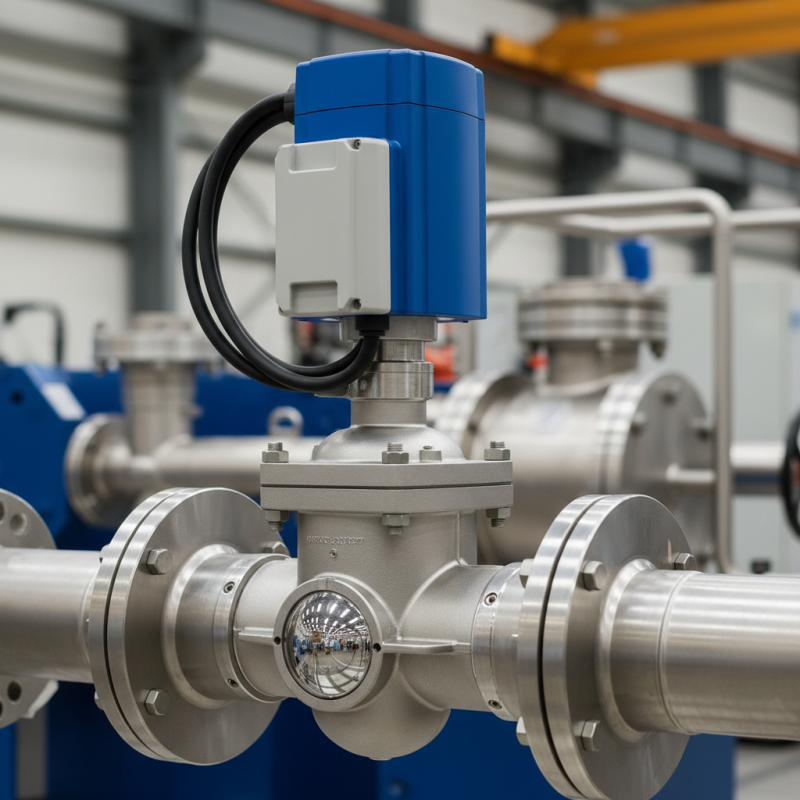
What is an Electric Ball Valve and How Does It Work?

What is an Electric Ball Valve?

An electric ball valve is a type of valve that uses an electric actuator to control its operation. Typically, these valves are used in applications requiring precise flow control. They operate by rotating a ball with a hole through the middle, allowing or blocking flow. This design offers a quick response time and high durability.

According to industry reports, the global electric valve market is experiencing significant growth. It is expected to reach USD 8.5 billion by 2025, driven by increasing automation in various industries. Electric ball valves contribute to this growth due to their efficiency. They consume less energy compared to manual valves and provide better reliability. However, some users find their initial costs relatively high, which can be a barrier.

Additionally, there are concerns about electric ball valves in extreme conditions. In environments with high temperatures or corrosive materials, valve performance may decline. Proper selection and regular maintenance are essential. Inadequate attention to these factors can lead to costly breakdowns. Thus, it is crucial to assess both advantages and potential limitations.

Key Components of Electric Ball Valves

Electric ball valves are essential in various industries for fluid control. Understanding their key components is crucial for effective operation and maintenance. The core parts include the valve body, ball, actuator, and positioner. Each has a specific role that contributes to the valve’s overall functionality.

The valve body is typically made from durable materials like stainless steel or PVC. This ensures longevity and resistance to corrosion. The ball is a critical component, usually featuring a spherical design with a hole that allows flow or stops it. Proper alignment of the ball is vital; misalignment can cause leakage or operational failures.

Actuators, either electric or pneumatic, provide the force needed to move the ball. According to a recent market report, electric actuators accounted for over 45% of global ball valve installations in 2022 due to their precise control.

Positioners are also crucial as they ensure accurate valve positioning based on control signals. These devices can sometimes be overlooked. However, improper calibration can lead to inefficiencies. Data shows that up to 30% of valve issues stem from positioner errors, highlighting the need for regular maintenance.

Understanding these components can help in selecting the right electric ball valve for specific applications, ensuring smoother and more reliable operations.

Mechanism of Operation for Electric Ball Valves

Electric ball valves are essential components in many industrial processes. They function by using electrical actuators to control the valve's opening and closing, which is typically achieved through a quarter turn rotation. This mechanism allows for precise flow control in pipelines, making them a popular choice in various applications.

The operation of electric ball valves relies on a straightforward design. When an electric signal is applied, the actuator turns the valve ball, providing a clear path for fluid flow or blocking it entirely. According to industry reports, the accuracy of flow control can improve operational efficiency by up to 30%. This level of precision is critical in sectors like water management and chemical processing. However, improper actuator calibration can lead to inefficiencies, highlighting the need for regular maintenance.

Moreover, electric ball valves are often praised for their reliability. They are less prone to leaks compared to manual valves. However, they also pose a challenge if the power supply is interrupted. System designers should contemplate backup systems to address potential failures. As per a recent study, around 15% of electric valve failures stem from power-related issues. This statistic signifies the importance of considering power supply stability during installation.

Advantages of Using Electric Ball Valves

Electric ball valves are increasingly popular in various industrial applications. They offer a range of advantages that make them a preferred choice. One significant benefit is their precision. The electric actuator allows for accurate control over flow. This precision aids in maintaining optimal processes, reducing waste and enhancing efficiency.

Another advantage is ease of use. Electric ball valves can be operated remotely, eliminating manual intervention. This feature is especially beneficial in hard-to-reach locations. Furthermore, they respond quickly to control signals. This fast response time improves overall system performance. Maintenance can sometimes be complicated, but electric ball valves often have fewer mechanical parts, which can simplify repairs.

Additionally, electric ball valves enhance safety. They can be integrated into automated systems. This integration helps prevent human errors, reducing accident risks. However, it’s important to consider potential challenges. Power failures may affect their operation. Backup systems may be necessary to ensure reliability. While electric ball valves provide many advantages, ongoing assessment and adjustments are essential for optimal performance.

Applications of Electric Ball Valves in Various Industries

Electric ball valves are essential in various industries, providing efficient flow control. In water treatment, for example, these valves manage the flow of large volumes of water, ensuring smooth operations. A report by MarketsandMarkets indicated that the global ball valve market is expected to reach $4.52 billion by 2025, driven by increasing demand for automation in water systems.

In the oil and gas sector, electric ball valves facilitate precise control during extraction and transportation. They are critical for managing high-pressure systems. According to a 2022 industry study, about 40% of valve users believe that automation increases safety and efficiency. Yet, challenges remain. Some industries struggle with integrating these valves into older systems. The retrofit process can lead to unexpected downtime, impacting productivity.

Electric ball valves also find use in food and beverage production. Strict hygiene standards necessitate reliable equipment. An estimated 30% of manufacturers report issues with valve maintenance due to contamination risks. Regular checks are essential, but they can be overlooked in busy production hours. This oversight can lead to larger problems down the line, affecting both safety and quality. Balancing efficiency and reliability is an ongoing challenge for all industries utilizing electric ball valves.

Article Source: