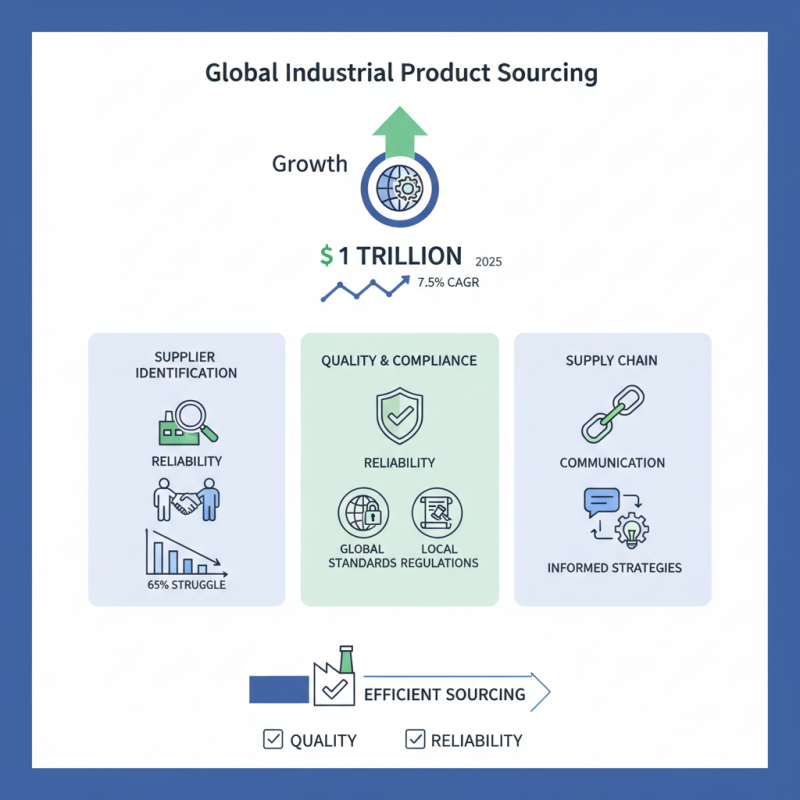
Sourcing industrial products effectively is crucial for global buyers. The industrial product sector is projected to reach $1 trillion by 2025, showcasing immense opportunities. However, navigating this complex landscape requires expertise and reliability. According to a recent report by MarketsandMarkets, the demand for industrial products is growing at a CAGR of 7.5%, emphasizing the need for efficient sourcing strategies.
Building a robust supply chain is essential. Many companies face challenges in identifying reliable suppliers for industrial products. A survey by Supply Chain Management Review indicated that nearly 65% of businesses struggle with sourcing and procurement. These statistics reflect the pressing need for a systematic approach.
Quality and compliance are vital in industrial sourcing. Buyers must ensure that products meet global standards. The lack of proper vetting can lead to costly errors. Consequently, understanding the specific requirements of each market is crucial. This calls for effective communication and a deep understanding of local regulations. Through informed strategies, buyers can enhance their sourcing processes, ensuring quality and reliability in their industrial product offerings.
Identifying key industrial product markets globally requires thorough research and analysis. Recent data highlights the Asia-Pacific region as a critical area, accounting for nearly 40% of the global industrial products market. This region boasts significant growth potential, driven by rapid urbanization and infrastructure development. Countries such as China and India offer vast opportunities for sourcing various industrial products, from machinery to raw materials.
Additionally, North America remains a major player. The region is known for technological advancements in manufacturing. This leads to a high demand for innovative industrial products. Reports indicate that the U.S. industrial machinery market alone was valued at over $30 billion in 2022, reflecting robust demand. However, companies must navigate challenges, such as supply chain disruptions and changing regulations, which can impact sourcing strategies.
While Europe presents strong markets for industrial products, it requires careful consideration. The European Union’s rigorous standards can complicate sourcing efforts. Market entry may be hindered by compliance requirements. Companies must weigh these factors against the high-quality products available. Balancing opportunities and challenges in these markets is crucial for effective sourcing in the global industrial sector.
When sourcing industrial products, evaluating supplier reliability is crucial. Start by assessing the supplier's history. Look for established businesses with a good track record. Use online reviews and industry reports. Check their registration and certifications. These documents provide assurance. A lack of certification can signal potential risks.
Product quality is another critical factor. Request samples before any large orders. Inspect them thoroughly. Look for consistency in materials and craftsmanship. Ask for detailed specifications to understand what you are purchasing. It's common for quality to vary, even among reputed suppliers. Reflect on the balance between cost and quality. Chemical products can lead to long-term losses.
Communication plays a vital role too. Engaging in open dialogue creates trust. Discuss production timelines, shipping details, and after-sale service. An unresponsive supplier may indicate issues down the line. Take note of their willingness to accommodate your needs. This reflects their commitment to customer satisfaction.
Understanding global import regulations and compliance standards is crucial for sourcing industrial products. Each country has its own rules. These regulations affect the quality and safety of products. Familiarizing yourself with these guidelines can save time and money. Ignoring them can lead to delays and additional costs.
Start by researching the specific import regulations of target markets. This includes tariffs, documentation, and inspection requirements. Understanding labeling standards is also important. Some countries may require specific information to be displayed, while others may have unique certification needs. Missteps here can cause complications.
It’s essential to build a network of reliable contacts. Engage with local experts who understand the compliance landscape. This helps address unexpected challenges. Remember, even minor details may lead to significant consequences. By remaining vigilant, importers can navigate complexities with greater ease and ensure product conformity.
This bar chart represents the compliance standards for industrial products sourced by global buyers across different regions. The percentage indicates the level of adherence to import regulations within each region.
Sourcing industrial products for global buyers can be challenging. Leveraging technology can significantly ease this process. Digital tools streamline sourcing, providing access to a wide range of suppliers and products. Buyers can find manufacturers worldwide, making comparisons quick and straightforward.
Tips: Utilize online platforms for real-time pricing. These platforms often provide different vendor options. Investigate reviews and ratings to assess reliability. A variety of tools can help manage your sourcing process efficiently.
Another key aspect is staying organized. Tools like inventory management systems can track orders. They help ensure timely deliveries and reduce errors. Consider integrating automation where possible for routine tasks. This can save time and enhance accuracy, but human oversight is still essential. Errors in sourcing can lead to costly delays.
Tips: Always double-check product specifications. Miscommunication can lead to sourcing the wrong product. Maintain open lines of communication with suppliers to clarify any discrepancies. Reflecting on your sourcing strategy is crucial for continuous improvement and efficiency gains.
Building strategic relationships with global suppliers is essential for sourcing industrial products effectively. A report by Deloitte indicates that nearly 70% of companies see supplier collaboration as critical for enhancing product quality and innovation. Establishing strong ties with suppliers can lead to better pricing, improved delivery times, and even access to the latest technology. Frequent communication fosters trust, making it easier to solve issues as they arise.
However, not all partnerships are seamless. A study published by the Institute for Supply Management found that 53% of organizations faced challenges in aligning goals with their suppliers. Discrepancies in expectations can lead to misunderstandings. Regular performance reviews help bridge this gap. Setting clear, measurable objectives is vital. It ensures both parties understand their roles and responsibilities.
The importance of cultural awareness in global sourcing cannot be overstated. According to a McKinsey report, cultural misalignment contributes to 30% of failed supplier relationships. Adaptability in communication styles and negotiation tactics can greatly enhance collaboration. Developing a collaborative mindset pays dividends in the long run, driving innovation and efficiency in supply chains.
| Product Category | Supplier Region | Average Lead Time (Days) | Quality Certifications | Min Order Quantity |
|---|---|---|---|---|
| Industrial Machinery | Europe | 30 | ISO 9001, CE | 5 units |
| Electronic Components | Asia | 15 | RoHS, ISO 14001 | 100 units |
| Construction Materials | North America | 25 | LEED, ASTM | 50 units |
| Packaging Solutions | South America | 20 | ISO 22000, FSC | 200 units |
| Control Systems | Asia | 22 | ISO 9001, UL | 10 units |