Blog

How to Choose the Right Switch Panel for Your Needs?

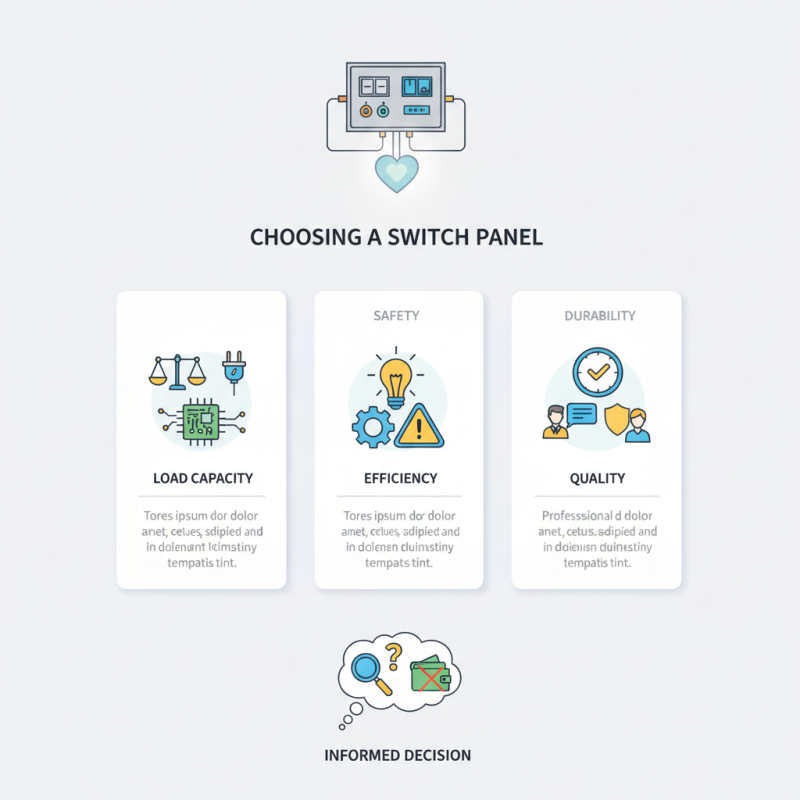
Choosing the right Switch Panel can be a daunting task. Experts like John Mitchell, a well-known authority in the electrical industry, emphasize, "A good switch panel is the heart of any efficient electrical system." This insight reflects the importance of selecting the right product to meet your needs.

Many options exist in the market today. Understanding your specific requirements is crucial. Consider factors such as load capacity, control mechanism, and compatibility with your existing system. A mismatched switch panel can lead to inefficiency, or worse, safety hazards. Each choice should be made thoughtfully and with care.

Quality matters. A reliable switch panel should not only perform well but also stand the test of time. When in doubt, seek advice from professionals. Remember, the perfect switch panel for you may not be the most expensive option. Reflect on your unique situation and make an informed decision.
How to Choose the Right Switch Panel for Your Needs?

Understanding the Different Types of Switch Panels Available

When selecting a switch panel, it’s essential to understand the different types available. There are basic toggle switch panels, which are easy to use and often found in homes. They offer reliable on-off functionality but might lack advanced features. For more control, consider rocker switch panels. These provide a modern design and can handle multiple functions efficiently.


If you require versatility, touch-sensitive panels may be ideal. They allow for sleek design and customizable options. These panels can integrate lighting and automation, making them popular in smart homes. However, touch panels can sometimes be less intuitive, especially for those unfamiliar with the technology.


Another option is the remote-controlled switch panel. These panels provide convenience, allowing you to control devices from a distance. However, they can be less reliable due to signal interference. In contrast, wired panels offer solid connections but may require professional installation. Evaluate your needs carefully to choose the best type of switch panel. Each option has its pros and cons, and your choice will depend on your specific requirements.

Identifying Your Specific Requirements for a Switch Panel

When selecting a switch panel, it's crucial to identify your specific requirements clearly. Consider applications first. Are you using it for automotive, marine, or home automation? Each area has unique demands. For example, marine switch panels often require moisture resistance. Automotive panels may need ruggedness for vibrations and impacts. A home automation panel should emphasize user-friendliness.

Think about how many switches you need. Do you want a compact design or more extensive functionality? Sometimes, less is more. A simple switch panel might perfectly fit smaller projects without overwhelming you. Reflect on ease of installation. Can you manage it, or will you need professional help?

Pay attention to control options. Some switch panels offer digital interfaces, while others are purely mechanical. Assess which suits your lifestyle best. Choosing a panel with the correct voltage rating is essential as well. Mismatched voltages can lead to failures. This decision requires careful thought to avoid unnecessary future issues. Ultimately, understanding your needs can guide you toward the right switch panel, preventing regret later on.

Evaluating the Compatibility of Switch Panels with Your Systems

When choosing a switch panel, compatibility is a crucial factor. Each switch panel integrates differently with various systems. It's essential to assess the electrical specifications of both the switch panel and the system it will connect to. This involves examining voltage ratings, current requirements, and circuit types. An incompatible switch panel can lead to malfunctions or damage to your system.

Take time to analyze your system’s operational environment. Some systems may operate under extreme temperatures, while others might deal with moisture. A switch panel designed for these conditions will ensure longevity and reliability. Not all panels are built the same, and selecting one without understanding your needs can lead to issues. It’s worth checking user reviews and installation guides to see how well-prepared others were for similar setups.

You might realize later that your initial choice wasn’t ideal. Such reflections can lead to better decision-making in future projects. Being mindful of compatibility can save you from unnecessary headaches down the line. The right switch panel should not only fit your system but also enhance its performance and safety.

Analyzing Features and Functions of Various Switch Panels

When selecting a switch panel, understanding features is crucial. Many consumers overlook basic functionalities. The ability to customize switches is important. A study by the International Association of Electrical Inspectors notes that 45% of panel failures stem from improper configuration.

Switch panels come in various types. Basic toggle switches, for example, are widely used in residential settings. However, more advanced panels offer features like LED indicators and timer functions. Research from the Electrical Components Manufacturers Association indicates that panels with user-friendly displays can improve operational efficiency by up to 30%.

Safety features often take precedence. Overcurrent protection is essential for preventing electrical fires. Yet, many users may not recognize this need until it’s too late. While some panels offer surge protection, others do not. Consumers should consider their specific environments and risk factors before deciding. Each feature warrants careful evaluation, as choices made in haste can lead to future regrets.

Switch Panel Features Analysis

Considering Budget and Quality When Choosing a Switch Panel

When selecting a switch panel, budget and quality are crucial. A well-constructed panel may cost more, but it often delivers better performance. A cheap panel might save money upfront, but could lead to frequent failures. Research shows that low-quality panels often fail under stress. This can compromise safety and functionality.

Assess your needs to balance cost and quality. For example, a home renovation might demand higher-quality materials. Look for panels that meet safety standards and are tested for longevity. Reading reviews can provide insight into reliability. Users often share experiences that highlight potential issues with design and functionality.

Consider installation costs too. A cheaper switch panel might require professional installation. This can quickly negate any initial savings. Selecting the right panel is about finding a balance. Quality doesn't always mean high prices. It requires careful consideration of your specific needs and situation. Look for recommendations from trusted sources.

Article Source: