Blog

How to Choose the Right Rectifier Charger for Your Needs?

Choosing the right Rectifier Charger can significantly impact your electronic systems. Data from industry reports indicate that improper selection may lead to inefficiencies and increased costs. With the global market for rectifier chargers projected to reach $5.6 billion by 2025, understanding your specific needs is crucial.

Rectifier Chargers convert AC to DC power, essential for many applications. Yet, many users overlook factors like voltage requirements and load capabilities. Research highlights that up to 40% of users experience issues due to inadequate chargers. These problems can disrupt operations and lead to equipment failure.

Evaluating factors such as output power, efficiency ratings, and thermal performance is vital. While it's tempting to choose based on price, quality matters. A detailed assessment of your power requirements can prevent future complications. Remember, the right choice today can save you from costly repairs tomorrow. Reflect on your current systems before making a decision.
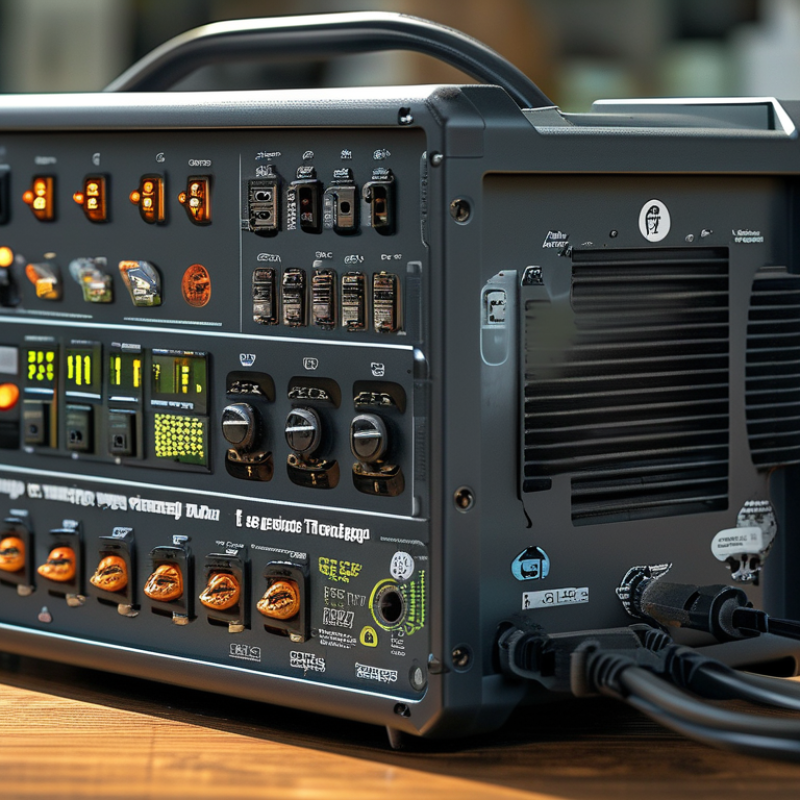
How to Choose the Right Rectifier Charger for Your Needs?

Understanding What a Rectifier Charger Is

A rectifier charger is a device that converts alternating current (AC) to direct current (DC). This conversion is essential for charging batteries that power various applications. Understanding how it works is crucial for selecting the right one. Typically, rectifier chargers are used in electric vehicles, renewable energy systems, and industrial applications. Many experts note that these chargers bridge a gap between power sources and the batteries.

The efficiency of rectifier chargers can vary significantly. Reports indicate that high-quality chargers can achieve efficiencies over 90%. In contrast, less efficient models struggle to reach even 70%. This inefficiency not only wastes energy but can lead to increased heat generation, potentially damaging the connected batteries. Such nuances highlight the need for careful consideration when choosing the right model for your specific needs.

Additionally, modern rectifier chargers often come with advanced features. Many include built-in protection mechanisms that prevent overheating or overcharging. These features can enhance the longevity of batteries and improve safety. However, opting for higher-end models may come with a higher initial cost. It's important to evaluate whether the added features justify the expenses based on your usage requirements.

Identifying Your Power Needs for Charging

When selecting a rectifier charger, understanding your power needs is crucial. Consider the devices you plan to charge. Different devices have varying voltage and current requirements. For example, a smartphone typically needs around 5 volts while an electric vehicle may require 240 volts. Assessing these needs helps avoid making a poor choice.

You should also think about the total capacity. Are you charging multiple devices at once? If so, add up their power requirements. This will give you an idea of the total amperage you need. Many users overlook the importance of this detail. Ignoring it could lead to slower charging times or even damage to your devices.

Don't overlook the types of batteries you’re working with. Lead-acid and lithium batteries demand different charging methods. Picking the wrong type can lead to inefficient charging or reduced battery life. It’s essential to educate yourself on these distinctions. Rushing into a purchase without this knowledge can lead to costly mistakes.

Evaluating Different Types of Rectifier Chargers

When evaluating different types of rectifier chargers, it's crucial to consider their design and functionality. Rectifier chargers can be categorized into linear and switching types. Linear chargers are known for simplicity and reliability. They are less efficient, yielding only 60-70% energy usage, which can lead to increased operational costs. In contrast, switching chargers offer higher efficiency rates exceeding 90%. The choice between these options depends on specific power needs and budget constraints.

Battery chemistry also plays a significant role in the choice of rectifier chargers. For example, lead-acid batteries require different charging profiles compared to lithium-ion batteries. The average charging time for lead-acid batteries is between 8 to 12 hours, while lithium-ion batteries often require 1 to 3 hours. Misalignment in charger specifications can lead to reduced battery life. According to a report from the International Energy Agency, improper charger usage can reduce lifespan by 20-30%.

It’s important to reflect on the charger’s compatibility with your power system. Compatibility issues can lead to inefficiencies or even damage. A mismatch between voltage inputs can lead to a higher risk of failure. Remember, the right rectifier charger should align with both your application and energy sustainability goals.

Evaluating Different Types of Rectifier Chargers

This bar chart compares different types of rectifier chargers based on their efficiency and charging speed. The data represents four common types: Standard, Fast, Smart, and Solar Rectifier Chargers.

Analyzing Key Features and Specifications

When selecting a rectifier charger, key features matter. Look for the voltage output. Most devices operate between 12V and 48V. Choosing a charger within this range ensures compatibility with your equipment. The American National Standards Institute states that using a mismatched charger can lead to damage.

Amperage is another critical specification. Typically, chargers range from 1A to 10A. Higher amperage allows for faster charging, which can save time during critical usage. However, overcharging is a risk. The International Electrotechnical Commission advises close monitoring to prevent overheating.

Tips: Always assess your battery's specifications before making a choice. A mismatch can reduce battery life. Investigate features such as short circuit protection. This enhances safety and reliability. Don’t overlook the type of battery—lead-acid and lithium-ion require different chargers.

Inaccurate assumptions can lead to poor performance or damage. It’s essential to check technical specifications thoroughly. Many users overlook the importance of temperature compensation in chargers. This feature adjusts the charging rate based on battery temperature, ensuring more efficient performance.

Tips for Maintaining and Troubleshooting Your Charger

When it comes to keeping your rectifier charger in top shape, regular maintenance is key. Check the connections and cables for any signs of wear. Loose connections can lead to inefficient charging. Inspect for frayed wires. This can signify deeper issues. A thorough visual inspection is a small task that can prevent bigger problems down the line.

Another important tip involves monitoring charging cycles. Overcharging can damage the battery and the charger. Set reminders for charge time. This ensures your devices remain powered without harmful overuse. Understand your charger's indicators. These lights often provide signs about its status. If a light is blinking unexpectedly, it's a signal that something may be wrong.

Finally, troubleshoot common issues proactively. If your charger doesn’t work, test it with different batteries. This helps determine whether the charger or battery is at fault. Listen for unusual sounds during operation; these could hint at mechanical problems. Awareness of these details can save time and effort later.

How to Choose the Right Rectifier Charger for Your Needs? - Tips for Maintaining and Troubleshooting Your Charger

Feature Description Importance
Output Voltage The voltage level the charger can provide, crucial for matching battery requirements. High
Charging Current The rate at which the charger can deliver energy to the battery. High
Type of Charging Constant voltage, constant current, trickle charging, etc. Medium
Protection Features Includes over-current, over-voltage, and short-circuit protection. High
Compatibility Ensures the charger works with various battery types and sizes. High
Size and Portability Compact design for easy transport, especially for mobile use. Medium
LED Indicators Visual indicators showing charging status, errors, etc. Medium
Warranty and Support Duration and extent of the warranty, customer support availability. High