Blog

How to Choose the Right Molded Case Circuit Breaker for Your Needs?

Choosing the right Molded Case Circuit Breaker (MCCB) is crucial for electrical safety and efficiency. According to the National Electrical Manufacturers Association, MCCBs account for over 30% of circuit protection devices used in industrial applications. These devices protect electrical systems from overloads and short circuits. Selecting an appropriate MCCB can prevent equipment damage and ensure system reliability.

MCCBs are designed to handle varying current levels based on application needs. A study by MarketsandMarkets indicates that the global demand for MCCBs is expected to grow at a compound annual growth rate of 7.3% from 2021 to 2026. This growth reflects the importance of choosing the right specification for specific environments. Details such as voltage rating and interrupting capacity are critical factors in decision-making.

Understanding the specific requirements of your electrical system can lead to better safety outcomes. For instance, the location of the MCCB installation matters. Environmental conditions, such as moisture and temperature, can affect performance. Ensuring the right choice will require careful analysis, as even minor oversights can lead to significant failures. It’s essential to reflect on these factors deeply before making a selection.
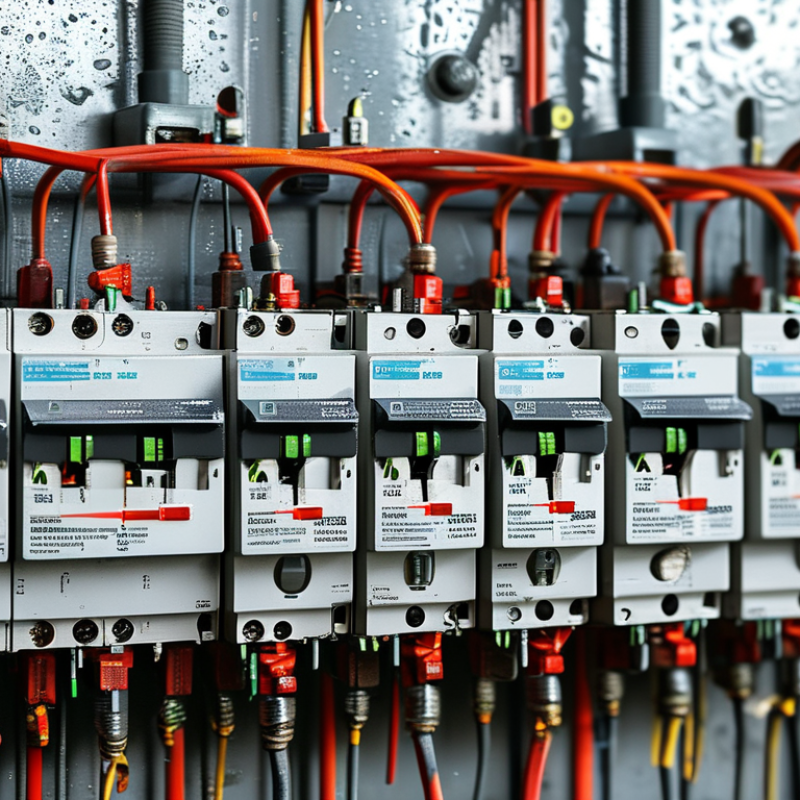
How to Choose the Right Molded Case Circuit Breaker for Your Needs?

Understanding Molded Case Circuit Breakers and Their Functions

Molded Case Circuit Breakers (MCCBs) play a crucial role in electrical systems. They protect circuits from overloads and short circuits, ensuring safety and operational efficiency. MCCBs are essential in many industries, including manufacturing, construction, and telecommunications. According to the latest report by the International Electrotechnical Commission, the global MCCB market is expected to grow by 6% annually, reflecting their increasing importance in modern electrical systems.

When choosing an MCCB, consider its current rating and interrupting capacity. The right specifications can prevent electrical failures. Vendors often provide charts to help you assess your load requirements based on your application's specific needs. Bear in mind that improper sizing can lead to costly downtime or equipment damage.

Tips: Always consult with a qualified electrician for correct installation and maintenance. Regular testing can identify potential failures before they escalate. Additionally, analyze your environment. Extreme temperatures or humidity can affect the MCCB's performance. Understanding these factors ensures longer lifespan and reliability.

Identifying Your Electrical Load Requirements

When selecting a molded case circuit breaker (MCCB), understanding your electrical load requirements is crucial. Each system has unique demands based on the appliances, lighting, and machinery being used. Assessing the total load will provide clear guidelines for choosing the right circuit breaker.

Here's a tip: calculate your load in watts. This includes lighting, motors, and other devices. Sum up all the wattages and then divide by the voltage to find the total amperage. This figure is vital for selecting an MCCB that can handle your needs without overloading.

Remember to consider future growth. You might need to expand your system or add devices later. It’s wise to choose a breaker with a capacity slightly above your calculated load. This extra margin can prevent tripping under surge conditions. Also, ensure that the breaker complies with local standards and regulations for safety and efficiency.

Lastly, engaging with an electrician or an expert can provide insights tailored to your specific situation. They can guide you through potential pitfalls and help ensure you choose a reliable and efficient MCCB for today and tomorrow.

Evaluating the Environmental Conditions for Circuit Breakers

When choosing a molded case circuit breaker (MCCB), evaluating environmental conditions is crucial. The breaker must withstand temperature fluctuations, humidity, and potential contaminants. For instance, high humidity could lead to corrosion. If installed in a coastal area, salt exposure is another factor to consider. These environmental elements can directly impact the breaker's performance and lifespan.


Also, consider the installation location. A breaker in a dusty environment may require a different protective rating than one in a clean space. Higher IP ratings can help prevent damage from dust and moisture. Voltage spikes from nearby equipment must also be factored in. Adequate protection against these conditions ensures reliable operation and safety.


Reflecting on previous installations can guide future decisions. There may have been instances where inadequate environmental consideration led to failures. Identifying these gaps helps improve future choices. By focusing on the specific environmental challenges, you can select the most effective MCCB for your needs. This careful approach mitigates risks and enhances system reliability.

Selecting the Appropriate Breaker Rating and Features

Selecting the appropriate breaker rating and features is crucial for electrical safety and efficiency. According to recent industry reports, about 30% of electrical failures can be traced back to improperly selected circuit breakers. It’s vital to match the rated current of the molded case circuit breaker (MCCB) with your specific load requirements. The breaker's ampere rating should exceed the maximum load current, typically calculated based on the total connected loads.

Consider the environment and conditions where the breaker will be installed. If the area experiences extreme temperatures or humidity, choose an MCCB with appropriate environmental ratings. Actual performance can differ significantly from manufacturer claims. Research indicates that about 20% of users report issues arising from inadequate feature specifications, such as overcurrent or short-circuit protection.

Beyond the ratings, additional features enhance safety and functionality. Look for adjustable trip settings, which provide flexibility as load conditions change. While a more advanced breaker may seem costly upfront, it can prevent larger expenses from potential electrical failures. The right selection process requires careful evaluation and sometimes a trial and error approach. Always consult credible sources and expert recommendations to ensure reliability.

Choosing the Right Molded Case Circuit Breaker (MCCB): Ratings and Features

This chart illustrates the distribution of molded case circuit breakers sold by rating. Understanding the common ratings can aid in selecting the appropriate breaker for your needs based on your electrical load requirements.

Ensuring Compliance with Local Electrical Codes and Standards

When selecting a molded case circuit breaker (MCCB), compliance with local electrical codes is essential. These codes dictate safety standards and proper installation methods. Ignoring them can lead to severe consequences, including risks of electrical shock or fire hazards. Each region may have different requirements, so be sure to consult local regulations.

Understanding the codes is just the beginning. Proper documentation is often needed to confirm compliance. Local authorities may require specific permits or inspections. Ensure that your chosen MCCB is rated for the load and application you need. This attention to detail is crucial in preventing future failures or potential hazards.

It's important to acknowledge that even experienced electricians can overlook these standards. Regular updates to codes mean what was once acceptable may no longer be. Continuous education is vital to remain compliant and safe. Investing time in understanding these requirements can save both time and money in the long run.