
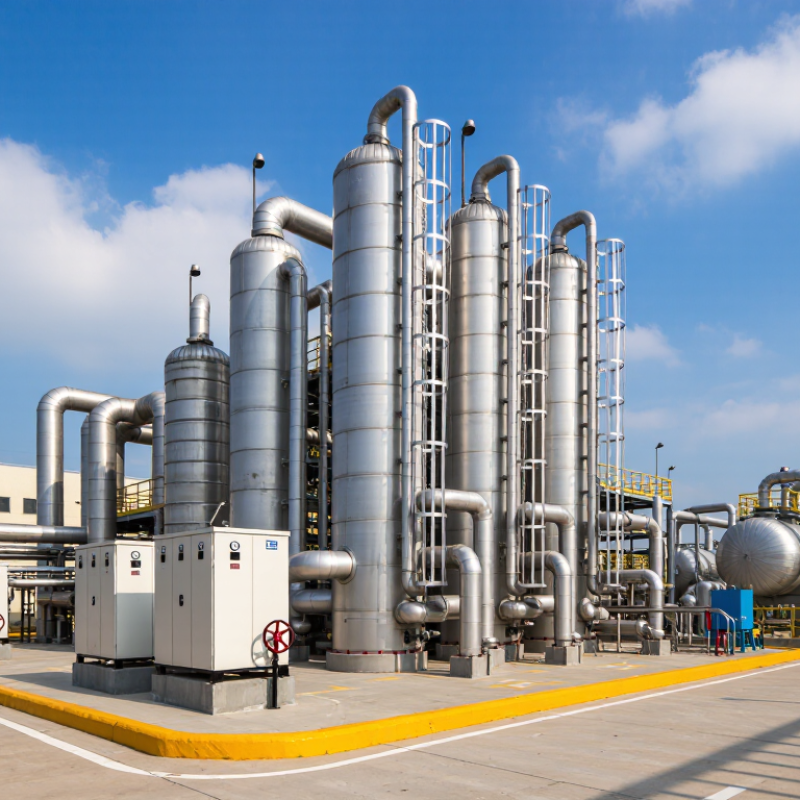
Start with the required gases, purity, flow, and pressure—not a standard capacity label. Cryogenic ASUs generally fit large, continuous demand for oxygen, nitrogen, or argon. Pressure swing adsorption may suit smaller or less demanding nitrogen applications. Map hourly demand, including peak loads and planned shutdowns. A clear demand profile helps prevent oversizing, which can leave equipment running inefficiently.
Ask suppliers to state guaranteed product purity, output, power use, turndown range, and startup time under your actual feed-air conditions. Check what each figure includes. Does power use cover compression and purification, or only the cold box? For an integrated hydrogen project, the IEA’s 2019 report The Future of Hydrogen estimates electrolyzer electricity use at about 50–55 kWh per kilogram of hydrogen. That is not ASU consumption, but it shows why site-wide energy boundaries matter.
Request operating references for similar capacity and product specifications, plus maintenance schedules and local service arrangements. Compare guarantees on the same measurement basis, then define an acceptance test before signing. Details matter. A polished efficiency figure can still hide assumptions about ambient temperature, load, or product pressure. I would challenge those assumptions early; some will prove irrelevant, but leaving them unchecked is a costly gamble.