Blog

How to Choose the Best Web Sling for Your Needs?

Choosing the right Web Sling is crucial for safety and efficiency. A web sling plays a vital role in lifting and securing loads. With various types available, selecting the best option can be daunting.

When considering a web sling, quality is paramount. Look for materials that offer strength and durability. Factors like load capacity, width, and length must also be evaluated. A web sling that is too short may lead to accidents.

Don’t overlook the importance of proper maintenance. Regular inspections can reveal wear and tear. Failing to address issues can compromise safety. Always choose a web sling that meets industry standards. Prioritize reliable brands known for their quality.
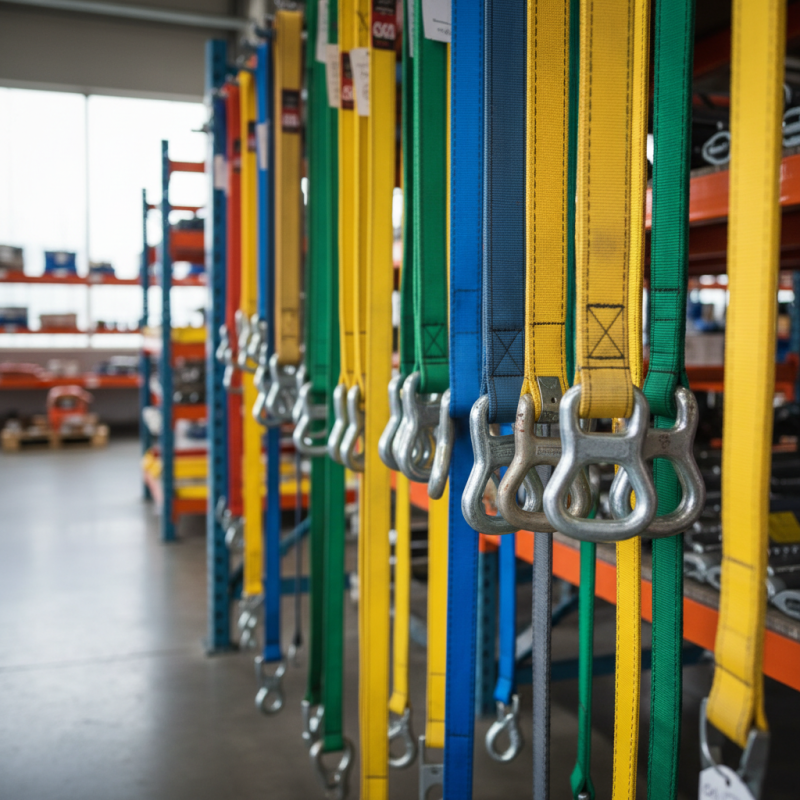
How to Choose the Best Web Sling for Your Needs?

Understanding the Different Types of Web Slings Available in the Market

When selecting a web sling, understanding the various types available is crucial. Web slings come in different materials, including nylon, polyester, and polypropylene. Each material offers unique features and benefits. For instance, nylon slings are known for their elasticity, making them ideal for shock absorption. In contrast, polyester slings are less stretchy and provide better resistance to UV rays and chemicals. According to industry reports, approximately 60% of equipment failures occur due to improper sling selection.

Choosing the right type of web sling ensures safety and efficiency. Polyester slings are preferred in environments where exposure to sunlight and harsh conditions is common. Conversely, nylon slings are often utilized in applications where flexibility is needed. Users should also consider the weight capacity and the type of load. Web slings can vary widely in their lifting capacities, ranging from small loads of a few hundred pounds to heavy loads exceeding 50 tons.

Tips: Always inspect slings for damage. Look for frayed edges or cuts. Ensure the sling is rated for the intended load. If unsure, consult a professional. Engaging with experts helps in making informed decisions. Proper education on sling usage and safety precautions can significantly reduce risks on the job site. Remember, risk management is key in any lifting operation.

Assessing Load Capacities and Safety Ratings for Web Slings

When selecting a web sling, understanding load capacities and safety ratings is crucial. Web slings are commonly used for lifting and securing heavy items. They have various configurations, materials, and load limits. Assessing these factors ensures that you choose the right sling for your specific application.

Load capacities are determined by the sling's material and construction. Different materials have unique strengths. For instance, nylon, polyester, and other fabrics provide different levels of durability. Always check the manufacturer’s specifications for maximum load ratings. It’s important to not exceed these ratings, as doing so can lead to equipment failure and accidents. Regular inspections of web slings can identify wear and tear. Replace any sling that shows signs of fraying or damage.

Safety ratings are essential indicators of a sling's reliability. Look for certifications and comply with industry standards. Tips for safer use include ensuring proper connections. Make sure the sling is evenly loaded and not twisted. It's also advisable to avoid dragging the sling across rough surfaces. Remember, using the right equipment is not just about strength, but also about safety. Evaluate your needs and make informed choices. This approach reduces the risk of mishaps. Always reflect on the conditions where the sling will be used to prevent potential hazards.

Evaluating Material Options: Nylon, Polyester, and Other Fabrics

When selecting the best web sling, the material is crucial. The two most common options are nylon and polyester. Nylon offers excellent elasticity and resistance to abrasion, making it ideal for heavy lifting tasks. According to industry reports, nylon slings can handle up to 30% more stretching than polyester, which helps protect the load. However, this stretch can be a double-edged sword. In some applications, too much elasticity can introduce risks during lifting.

On the other hand, polyester slings are known for their low stretch and UV resistance. This quality makes them less susceptible to elongation under load. A notable report from a leading safety organization highlighted that polyester slings can last longer when exposed to sunlight and harsh weather. While nylon might perform better in terms of strength, its susceptibility to UV damage can reduce its lifespan. Thus, users need to assess their specific application environment and choose accordingly.

Both materials have their pros and cons. It is essential to reflect on the specific demands of your task. Think about factors like load weight, environmental exposure, and frequency of use. Making an informed choice requires careful consideration of these aspects. Recognizing that no material is perfect can aid in selecting a suitable web sling.

Considering Sling Length and Width for Specific Applications

When choosing a web sling, understanding the implications of sling length and width is crucial. The right dimensions can profoundly impact the sling's performance and safety. A longer sling offers more versatility in reach, making it easier to maneuver loads in tight spaces. However, choosing an overly long sling may lead to excessive slack, increasing the risk of slippage or instability.

Width is equally important. A wider sling can distribute weight more evenly, which is essential for delicate or uneven loads. But a sling that is too wide may be difficult to handle and reduce gripping precision. Consider the specific application you have in mind. You might find that a narrower sling is more suitable for certain tasks, but it requires careful handling to avoid overloading.

It’s essential to reflect on your requirements and weigh them against the complexities of sling dynamics. Many users overlook the potential dangers of mismatched sling sizes, leading to accidents. Keep in mind that while achieving the right length and width may seem straightforward, real-world applications require careful analysis and ongoing adjustment. Assess your environment, load types, and handling procedures regularly to ensure optimal safety and functionality.

Choosing the Right Web Sling: Length vs. Width

This chart illustrates how the width of web slings increases with the length for various applications. When selecting a web sling, consider both the length and width to ensure it meets safety and performance requirements for your specific needs.

Identifying the Best Sling Features for Enhanced Performance and Safety

When choosing a web sling, focus on its features to ensure performance and safety. Durability is crucial. Look for slings made from high-quality materials. This enhances their strength and longevity. Lightweight options can be beneficial for ease of handling. However, don’t compromise on weight capacity.


Consider the sling's flexibility. A flexible sling can adapt to various load shapes. This helps to secure items better. Safe operation is a priority. Many slings come with additional safety ratings. Check these before making a decision. Clear labeling can aid in quick selection during work.


Reflect on the specific tasks you need the sling for. Some features may seem attractive but may not serve your purpose. For instance, added features increase the weight and cost. Assess how much you really need before purchasing. A sling that is optimal for one task might not perform well in another situation. Prioritize your requirements to find the perfect fit.

Article Source: