
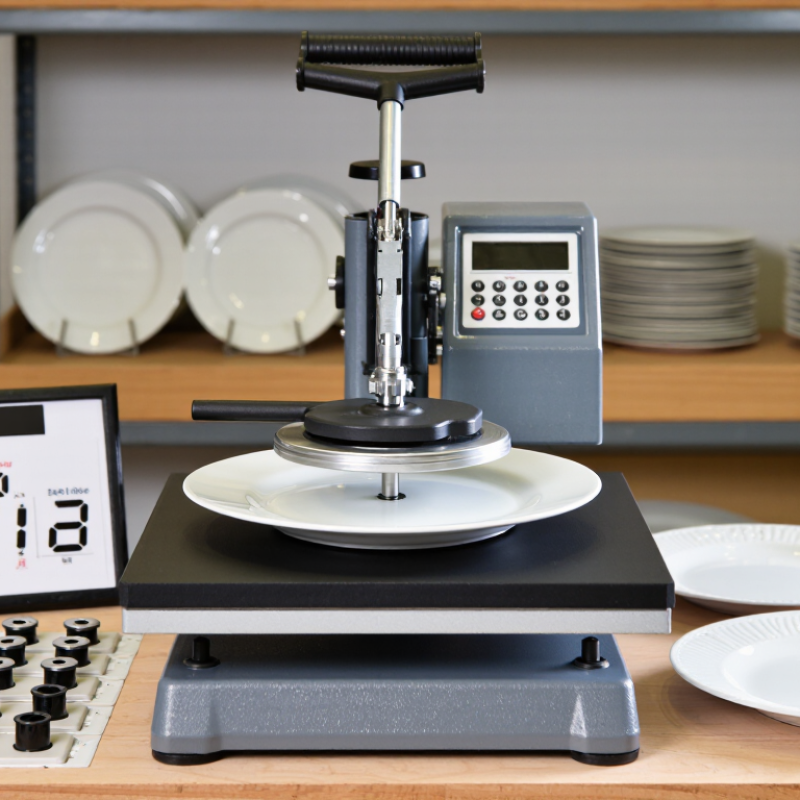
Match the press to verified weekly demand, not an optimistic sales forecast. The U.S. Census Bureau’s 2022 Annual Survey of Manufactures reported roughly $6.9 trillion in U.S. manufacturing shipments. That figure is no buying benchmark for a small print shop, but it reminds us that production decisions depend on real output, not equipment claims. Track your own orders for several weeks. Then estimate daily batches, changeovers, and time spent loading plates.
For example, 120 plates at a four-minute press cycle require eight hours of pressing time alone. Loading, cooling, and rejected prints add more. A lower-priced, single-station model may suit occasional orders; steady batches may justify a larger platen or faster workflow. Compare total cost, including compatible fixtures, setup, maintenance, and delivery. Ask for a sample run using your plate size and artwork. Check whether pressure and temperature stay consistent across repeated cycles. Small details matter.
Leave room for uncertainty. I would not size a machine from one busy week; demand can dip. Keep it simple. Calculate the cost per usable plate, not just the purchase price, and revisit the estimate when order volume changes.