
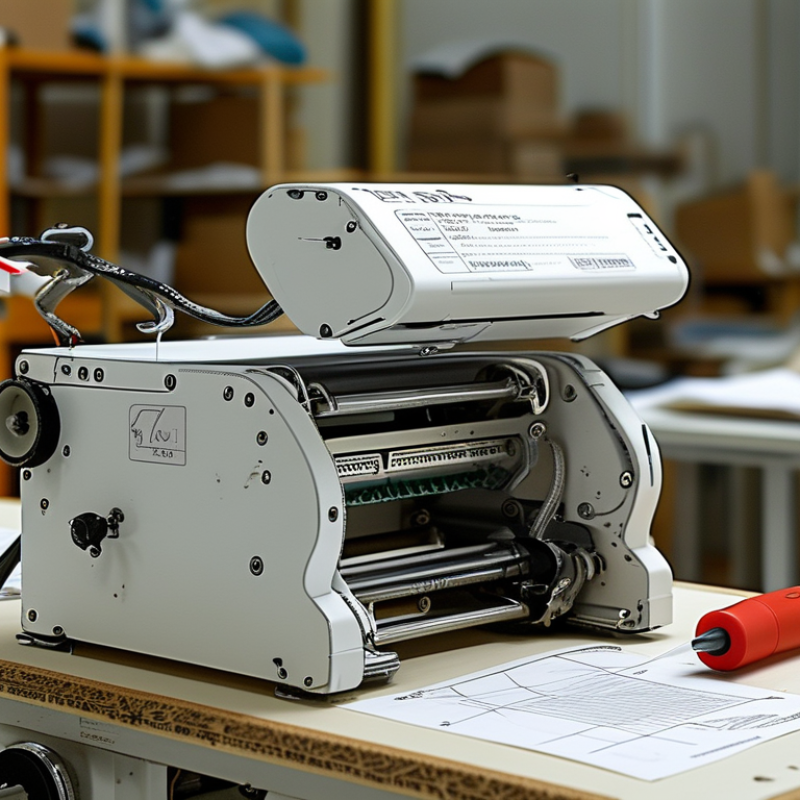
How to Choose the Best Mask Folding Machine
Match Machine Capacity to Your Daily Output Needs
Choosing a mask folding machine requires more than comparing rated speed. Match capacity with your real daily production target. Start with the number of finished masks required each day. Then divide that number by planned operating hours. Include breaks, material loading, cleaning, and routine adjustments. A small capacity buffer helps manage unexpected delays.
Real conditions matter. A machine rated at 120 masks per minute may not deliver that speed continuously. Operators may need time for roll changes, alignment checks, and quality inspections. For example, producing 50,000 masks during a ten-hour shift requires about 83 masks per minute. At 70% operating efficiency, a 120-mask-per-minute machine provides roughly 84 effective masks per minute. That leaves little room for disruption. Measure the gap.
My early production estimates were often too optimistic. I focused on machine speed and underestimated changeover time. A spreadsheet can look precise while missing daily interruptions. Record actual output from similar equipment, including rejected pieces and short stops. These figures provide a more reliable basis for selection.
Consider reasonable future growth, but avoid paying for unused capacity. A machine operating near its limit may increase fatigue, stoppages, and quality variation. Ask for a practical test using your intended materials and folding specifications. Check stable running speed, fold accuracy, adjustment time, maintenance intervals, and operator training needs. Keep records. Reliable capacity is measured across complete shifts, not during a brief demonstration.