
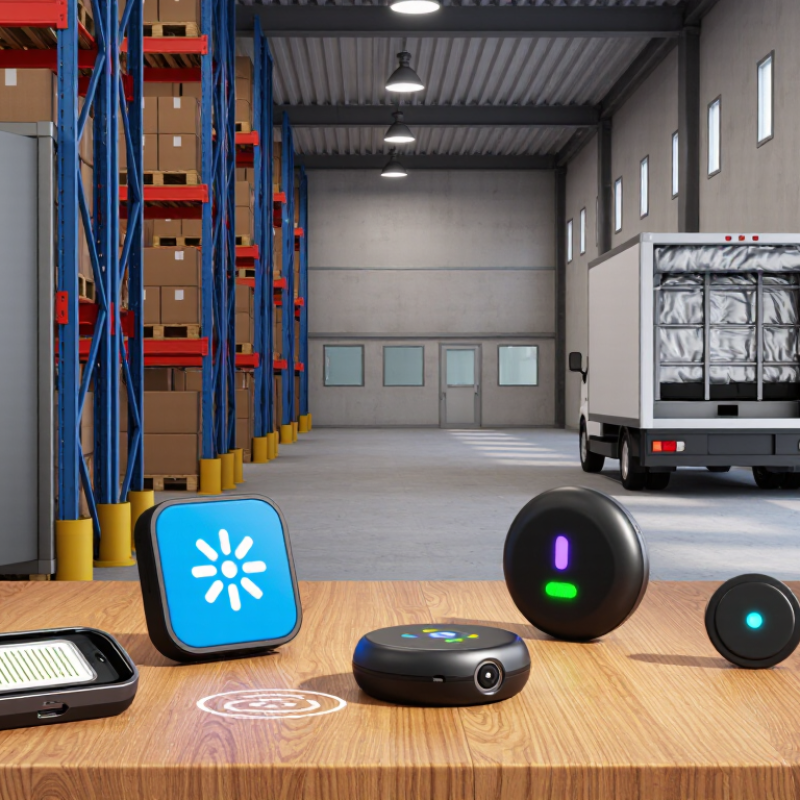
Choosing a location tracking tag starts with one question: what must you find, and how quickly? A key cabinet needs different tracking than a delivery cart or school instrument. Define the asset, expected movement, and acceptable location delay. “Every minute matters” is not always true. Seasonal equipment may need updates every hour. A moving vehicle may require near-real-time alerts.
Study the environment before comparing specifications. Indoor tags may depend on nearby receivers, while outdoor assets need reliable satellite or cellular coverage. Concrete walls, metal shelves, rain, dust, and low temperatures can weaken performance. Walk through the actual site with a test unit. Place it inside a toolbox, under a seat, and beside a loading door. Record accuracy, signal stability, battery drain, and installation effort. A clean office test can mislead you.
Privacy and access controls also belong in the plan. Track equipment, not people, unless consent, clear notice, and applicable rules support that use. Set user permissions and data retention periods before deployment. Check whether the tag can send alerts after leaving a defined area. I once underestimated mounting quality; vibration loosened a promising prototype within days. That small failure changed the evaluation. A tag is useful only when its data remains dependable in daily conditions.