Blog

How to Choose the Best FRP Pipe Machine for Your Needs?

Choosing the right frp pipe machine is crucial for your manufacturing needs. This decision impacts your production efficiency and product quality. With various models available, it’s easy to feel overwhelmed. You might find some machines too complex or unsuitable for your applications.

Understanding your specific requirements is essential. Consider factors like pipe diameter, material type, and production speed. Not all frp pipe machines offer the same features. Some may lack the durability you need. Researching different options can reveal hidden costs that affect your budget.

As you explore different models, reflect on their long-term value. A less expensive machine may lead to frequent maintenance issues. This can hinder your production and increase operational costs. Identifying the right balance of price, features, and reliability is key. Ultimately, a well-chosen FRP pipe machine can significantly enhance your productivity.
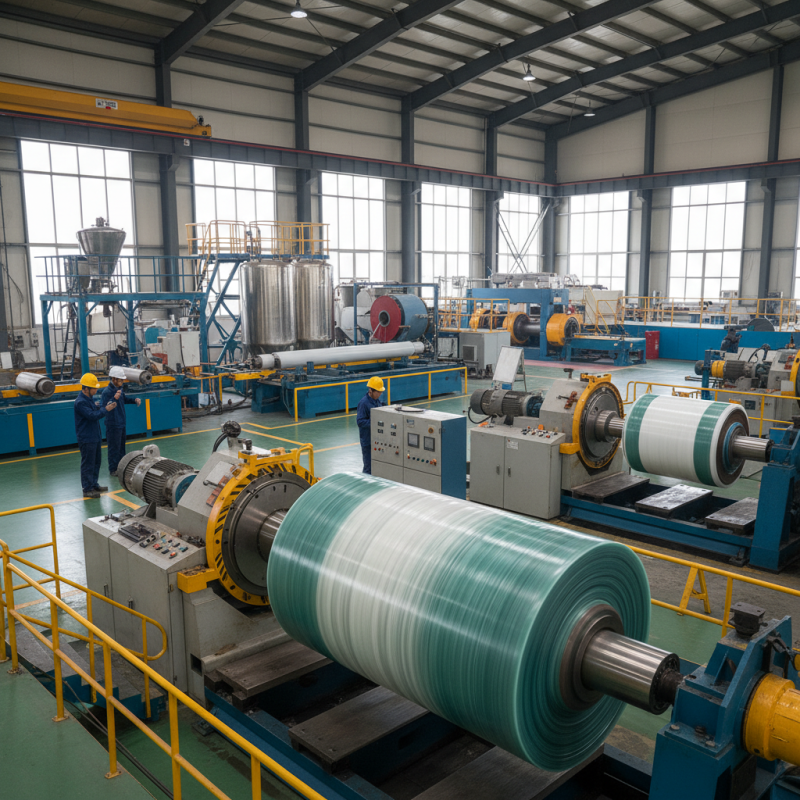
How to Choose the Best FRP Pipe Machine for Your Needs?

Understanding FRP Pipe Technology and Its Applications

FRP pipe technology has transformed various industries. FRP stands for Fiberglass Reinforced Plastic. This composite material combines fibers and resin for strength and durability. It offers resistance to corrosion and is lightweight compared to traditional materials. Because of these qualities, FRP pipes are suitable for chemical processing, water treatment, and industrial applications.

Understanding the best use cases for FRP pipes is essential. They excel in harsh environments where other materials might fail. For instance, in wastewater treatment plants, FRP pipes resist chemicals effectively. However, the installation requires skilled labor. Poor installation can lead to leaks or structural issues. Additionally, while FRP is durable, it may not withstand extreme impacts. This limitation needs addressing during the design phase.

Considering these factors can guide your choice when selecting an FRP pipe machine. Analyze your specific needs and the environment where the pipes will be used. Recognizing the benefits and limitations of FRP technology is crucial. This awareness can prevent costly mistakes and ensure optimal operation in the long run.

Key Factors to Consider When Selecting an FRP Pipe Machine

When selecting an FRP pipe machine, consider several key factors that impact performance and efficiency. One crucial element is the production capacity. Many industry reports indicate that machines with higher output rates can significantly reduce operating costs. A machine that produces 1000 meters daily can outperform competitors, helping you meet client demands efficiently.

Another important aspect is the machine's automation level. Fully automated systems can minimize human error, ensuring consistency in product quality. Reports suggest that companies implementing automation see a 30% increase in production stability. However, be cautious; automation comes with a higher initial investment that might take longer to recoup.

Tips: Always evaluate the machine's maintenance needs. Machines requiring frequent repairs can disrupt production and increase costs. Research user reviews to understand real-world experiences. Don't overlook the importance of after-sales support. Machines with less effective customer service can lead to frustrating downtime.

Finally, consider the material compatibility of machines. Not all equipment handles various FRP composites equally. Misalignment in material capabilities can lead to wasted resources and poor product quality. Investing time in thorough research can prevent future issues, ultimately supporting sustained growth in your operations.

Comparative Analysis of Leading FRP Pipe Machine Brands

When selecting an FRP pipe machine, various factors come into play. Different brands offer unique features and specifications. Some machines focus on speed, while others prioritize durability. It’s crucial to assess which attributes align with your production goals.

A comparative analysis reveals interesting insights. For instance, some machines excel in efficiency but may lack in versatility. Others might offer a broad range of pipe sizes but are slower in production rates. Evaluating these trade-offs is essential for making an informed decision. It’s not only about price. Consider maintenance costs, energy consumption, and the lifespan of the equipment.

Real-world feedback is valuable too. Some users report issues with certain models related to ease of operation. A machine that is complex may lead to errors during production. Regular training for operators can mitigate this risk. However, factors like support and warranty also matter. Making the right choice requires comprehensive research and reflection on prior experiences.

How to Choose the Best FRP Pipe Machine for Your Needs? - Comparative Analysis of Leading FRP Pipe Machine Brands

Feature Machine A Machine B Machine C
Production Capacity (kg/h) 300 250 400
Energy Consumption (kW) 15 12 20
Dimensions (m) 2.0 x 1.5 x 1.5 1.8 x 1.4 x 1.4 2.5 x 1.8 x 1.6
Weight (kg) 800 600 1000
Price (USD) 50,000 40,000 60,000
Warranty (years) 2 3 2

Evaluating Production Capacity and Efficiency in FRP Pipe Machines

When evaluating FRP pipe machines, it's crucial to assess production capacity and efficiency. High capacity machines can handle larger volumes. They output more pipes in less time, which can significantly impact your business. However, choosing based solely on capacity may lead to overlooking some efficiency factors.

Speed is essential, but so is precision. A machine that produces quickly but with frequent defects is not beneficial. Regular quality checks and maintenance are vital. As you increase production, the risk of errors can rise. Finding a balance is key. Efficiency often lies in automation features and user-friendly controls. Machines that are easy to operate could save time and money.

Consider your specific needs. Are you producing standard pipes or custom designs? Custom work may require additional features, impacting efficiency levels. Don’t forget to seek feedback from operators. Their insights can reveal hidden inefficiencies. Reflecting on your operational challenges can guide you to the best choice.

Cost-Benefit Analysis of FRP vs. Traditional Pipe Manufacturing Solutions

When analyzing the cost-benefit of FRP (Fiber Reinforced Polymer) versus traditional pipe manufacturing, several critical factors come into play. A report by the American Composites Manufacturers Association highlighted that the lifecycle cost of FRP systems could be up to 30% lower than that of conventional steel or PVC pipes. This is primarily due to their reduced maintenance requirements and longer lifespan. Traditional materials can corrode over time, leading to increased repair costs.

The initial investment in FRP pipe machines may seem higher. However, the long-term savings are compelling. FRP’s lightweight nature allows for easier handling, reducing labor costs during installation. A study by the University of Massachusetts found that installation costs for FRP could be 25% lower in comparison to metal pipes due to saved labor time. Yet, it's essential to acknowledge that not all applications warrant the use of FRP. Environmental conditions may impact performance.

While FRP offers many advantages, users should carefully evaluate specific needs. The cost-benefit analysis should consider factors like chemical exposure and temperature ranges. Some instances show that FRP may not outperform traditional options in extreme conditions. Balancing these considerations ensures an informed, rational choice tailored to unique requirements.