Blog

What Is the Best Fertilizer Dye in 2026?

Choosing the best Fertilizer Dye in 2026 is not simply a matter of picking the brightest color. A dye must disperse evenly, remain visible during handling, and work with the fertilizer’s formulation. A vivid blue in a sample cup may look different across a dusty production line. Small details matter.

A useful expert quotation should come from a named, verifiable industry source. Since no source was provided, the following line is a draft for expert review, not a verified quotation: “[Verified fertilizer-dye expert name]: ‘Consistent color is useful only when the dye performs reliably in the finished blend.’” Confirm the speaker and wording before publication. Trust depends on it.

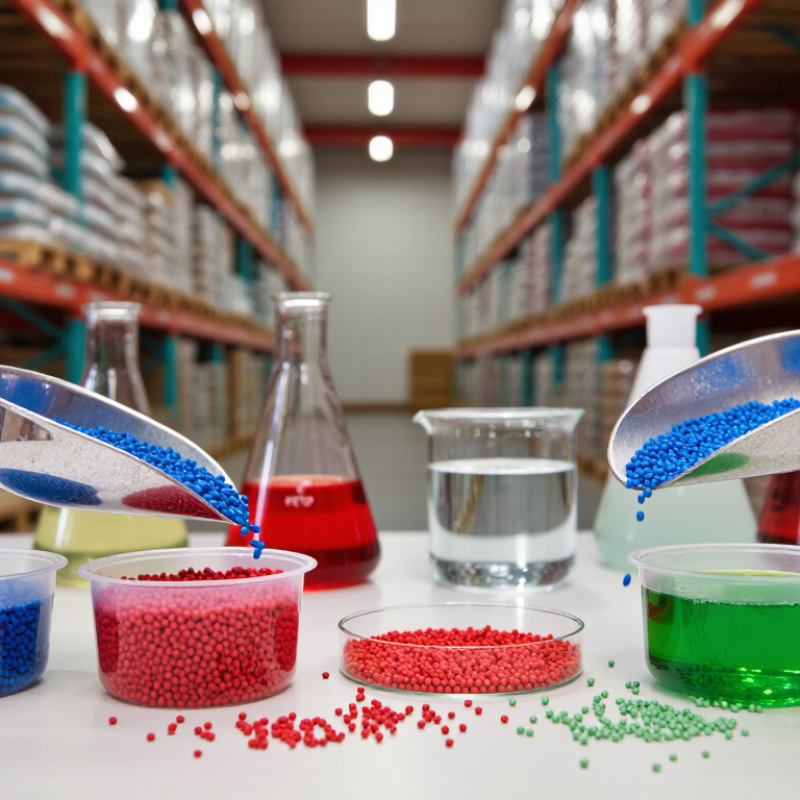
This guide compares practical factors, including shade strength, solubility, compatibility, storage stability, and ease of application. It also considers how color behaves on granules, in liquid mixes, and under ordinary warehouse lighting. No single dye is best for every product. That is easy to overlook. The right choice depends on the fertilizer’s chemistry, equipment, and intended use. Buyers should request a representative sample and test it under real operating conditions, rather than relying on a brochure image. Even then, results can vary between batches. That uncertainty deserves attention. The goal is a dependable colorant that fits the process—not merely the most striking shade.
What Is the Best Fertilizer Dye in 2026?

What Fertilizer Dyes Are and How They Work

Fertilizer dyes are colorants added to some liquid or dry fertilizers. They make treated material easier to see during mixing and application. A blue tint, for example, can help reveal missed strips on pale soil or uneven coverage across a lawn. The dye changes appearance, not nutrient content. Small distinction, but important.

In liquid fertilizer, a suitable dye should disperse evenly and stay stable in the product. Clumping, fading, or settling may make color unreliable. Dye choice also depends on the fertilizer’s formulation, application method, and intended surface. A vivid color can look reassuring, but it does not prove that nutrients were applied at the right rate. Check the product directions, and test a small amount before treating a large area. That extra step can feel fussy.

What is the best fertilizer dye in 2026? There is no single answer for every mixture or use. Look for clear application guidance, consistent color, and compatibility with the fertilizer. Consider whether the tint could stain equipment, nearby surfaces, or clothing, and follow handling instructions. Color should be a practical visual aid, not a substitute for calibration or careful application.

The Main Types of Dyes Used in Fertilizers

What Is the Best Fertilizer Dye in 2026?
The Main Types of Dyes Used in Fertilizers

Water-soluble dyes dissolve into the liquid fertilizer and create an even color when the formulation is compatible. They work well for many liquid products, but water hardness, pH, and other ingredients can affect shade and stability. A bright sample in a cup may still fade or change after storage.

Pigment colorants do not dissolve; they remain suspended as fine particles. They can provide durable color, but poor dispersion may cause settling or uneven application. Some formulations also use fluorescent dyes for tracing, though sunlight can reduce their visibility. There is no universal winner. Color alone can mislead.

Tips: Mix a small test batch before scaling up. Check for sediment, color shifts, and nozzle residue after storage. Follow the colorant supplier’s compatibility and handling guidance, and assess the finished fertilizer on the intended crop. A jar test is useful, but it cannot reveal every field condition. That limitation is easy to overlook.

How Dye Choice Affects Visibility, Safety, and Performance

What Is the Best Fertilizer Dye in 2026?

How Dye Choice Affects Visibility, Safety, and Performance

The best fertilizer dye is the one that makes treated areas easy to see without interfering with the product or application equipment. For many jobs, a water-based dye designed for agricultural use is a practical starting point. Check compatibility with the fertilizer and sprayer before mixing; a small jar test can reveal settling, clumping, or unexpected color changes. A vivid blue patch may look clear in a tank, yet become hard to spot on dark, damp soil.

Visibility depends on more than brightness. Sunlight, crop cover, soil color, and dilution all affect how long a mark remains noticeable. Use only enough dye to track coverage. Excess color can stain gloves, concrete, or nearby surfaces, while weak color may leave missed strips unnoticed. Dye does not improve fertilizer performance, and it cannot correct uneven nozzle output. That distinction is easy to overlook.

Tips: Test a small batch first. Wear gloves and eye protection, follow the product label, and avoid mixing dyes unless compatibility is confirmed. Check a short spray pass in actual field conditions. Less is often better. If color fades quickly, review dilution and application timing before increasing the dose.

Key Criteria for Choosing a Fertilizer Dye in 2026

Choosing a fertilizer dye in 2026 means looking beyond how vivid it appears in the tank. Color should remain even after mixing and provide clear contrast against the fertilizer and application equipment. A dye that fades in sunlight or separates during storage can make coverage harder to inspect. Check compatibility with the specific formulation, including its pH, salts, and temperature range. Then test a small batch. Watch for sediment, altered flow, or changes in nutrient solubility. The color itself does not prove that fertilizer is evenly applied.

Scale matters. FAO’s World Fertilizer Trends and Outlook to 2026 projected global nutrient demand at 208.5 million tonnes by 2026, underscoring the importance of reliable handling across large supply chains. That projection describes nutrients, not dyed fertilizer, so it should not be treated as evidence that any dye performs better. For practical selection, request technical data on concentration, light and heat stability, recommended dosage, and handling precautions. Review the safety data sheet, too. A vivid sample is not enough. Test the dye in the actual blend and equipment, then inspect it after storage and application. One awkward truth: a controlled test may still miss farm conditions, so keep checking performance during use.

Which Fertilizer Dye Best Fits Different Applications?

For liquid fertilizers and fertigation, a water-soluble dye is often the practical choice: it disperses evenly and makes treated liquid easier to identify. Check solubility, pH stability, and compatibility with micronutrients before scaling up. A clear jar test can reveal fading, sediment, or unexpected color shifts. Small detail, big consequences. For suspension fertilizers, a pigment dispersion may hold color better, but poor mixing can leave deposits in tanks or lines. That trade-off is easy to underestimate.

Granular fertilizers need color that stays visible after coating, drying, bagging, and transport. A dye can give bright, uniform color, while a pigment may provide more opacity; either choice needs abrasion and moisture testing. The International Fertilizer Association’s 2024 medium-term outlook estimates global fertilizer use at about 192 million tonnes of nutrients in 2023/24. That scale is useful context, not proof that one colorant performs best. Field conditions vary. Test the intended fertilizer blend, coating rate, storage temperature, and sunlight exposure, then inspect representative granules after handling. A color that looks excellent in a fresh sample may fade or transfer in a warm warehouse. That part deserves a second look.