Choosing the right Batching Plants is crucial for businesses in construction and manufacturing. These plants play a vital role in ensuring consistent quality in materials. Your choice can significantly impact efficiency and cost.
Many factors deserve careful consideration. The size of your operation influences which batching plant is suitable. Smaller businesses may opt for portable models, while larger firms often need fixed installations. Additionally, look at the production capacity. Can the plant meet your project demands without delays?
Researching various options helps identify key features. Some plants offer advanced technology for automated mixing. Others focus on ease of maintenance. When evaluating supplier reputations, seek feedback from existing customers. Their experiences can reveal strengths and weaknesses you might overlook. In a competitive market, reliable batching plants can set your business apart.
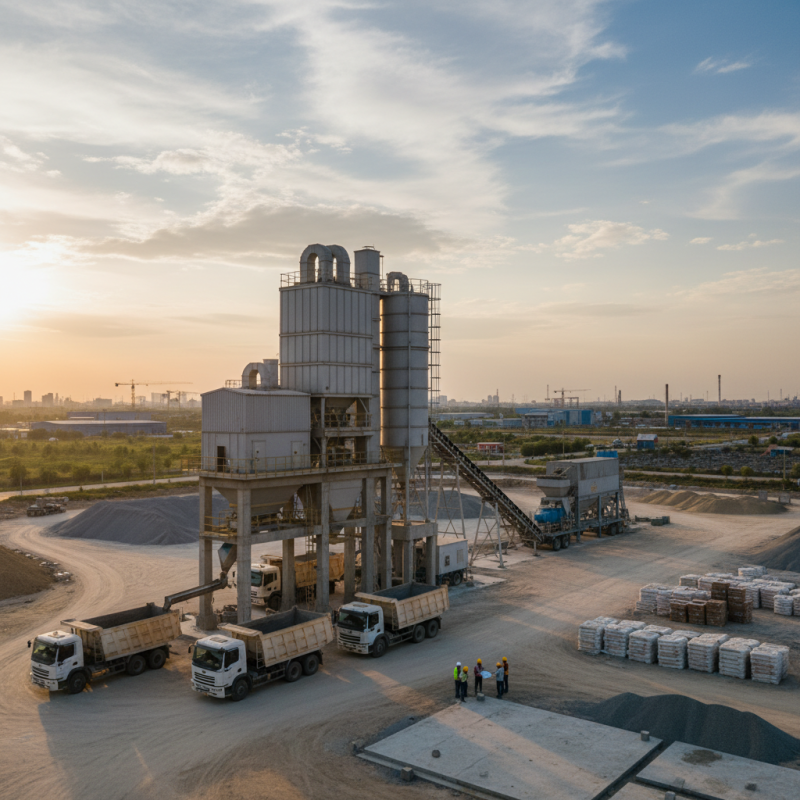
When selecting a batching plant, several factors come into play. First, evaluate your production capacity requirements. A report by the National Ready Mixed Concrete Association indicates that the average output of a batching plant is around 100 to 200 cubic yards per hour. If your business demands higher volumes, consider plants that exceed this range.
Another key factor is the technology used in the plant. Modern batching plants utilize advanced automation systems for precision. According to industry insights, plants with automated controls can reduce material wastage by up to 15%. This can lead to significant cost savings. Look for features like real-time monitoring, which enhances efficiency and quality control.
Tip: Assess your site's space constraints and requirements. Limited space may restrict the choice of batching plants. It's essential to fit the plant within your operational environment without compromising functionality.
Additionally, the after-sales support from the manufacturer is crucial. Access to maintenance services and spare parts can influence your plant's long-term reliability. A study shows that 75% of businesses faced downtime due to inadequate support. Ensure you choose a supplier known for responsive customer service and reliable parts availability. Consider visiting installed sites to gauge performance and customer satisfaction before making a decision.
When selecting the right batching plant, it’s essential to understand the various types available. These plants cater to different production needs and can significantly impact efficiency and output. For smaller projects, mobile batching plants are a flexible choice. They are portable and can be set up quickly on-site. This means reduced transportation costs and increased responsiveness to project changes.
For larger operations, stationary batching plants are often preferred. They offer high capacity and automation features. However, the initial investment is higher, and they require a permanent site. Sometimes, a user might struggle with deciding between these options. It’s vital to assess your production volume and frequency before making a choice.
Another option is the central batching plant. This type serves multiple construction sites. It promotes consistency in concrete quality, making it ideal for larger companies with various projects. Nevertheless, logistical challenges can arise. Transportation of materials must be meticulously planned to ensure timely delivery. Balancing these factors is crucial for optimal plant selection.
When selecting a batching plant, evaluating capacity and efficiency is crucial for your business. Start by assessing your production needs. Understand how much concrete you require daily. This will help determine the plant’s capacity. If your demand fluctuates, consider a plant that can adapt to changes.
Efficiency plays a vital role in operational costs. Modern batching plants often feature advanced technology. This technology helps optimize mix ratios and reduces waste. However, not all advanced options are necessary for every business. It’s essential to weigh the potential benefits against the costs. An overly complex plant might lead to operational difficulties and inefficiencies.
Think about the maintenance aspect as well. A reliable batching plant requires regular maintenance to function optimally. Sometimes, business owners overlook this factor. It can lead to unexpected downtimes and increased expenses. Consider ease of access to parts and servicing when evaluating your options. Balancing capacity, efficiency, and maintenance needs will guide you toward the best choice for your business.
When considering a batching plant purchase, understanding the cost is vital. A detailed budget gives clarity on what you can afford. Prices can vary significantly based on capacity, quality, and features. Assess your production needs to make informed decisions. Remember, the cheapest option may lead to more costly repairs later. Look for value rather than just low prices.
Tips: Factor in installation costs. Equipment might seem affordable, but setup can inflate costs. Maintenance expenses can add up too, especially for lower-quality plants. Consider supplier support services in your analysis. Long-term relationships with reputable suppliers often lead to better deals.
Evaluate financing options. Lease versus buy can impact cash flow and long-term costs. Ensure you include operational costs in your budget. Energy efficiency and labor needs will affect profitability. Past user reviews and expert opinions are helpful. They provide insights into the performance and reliability of specific plants. Not every well-reviewed plant suits your business model. Be critical and reflective in your analysis.
When investing in batching plants, maintenance and support services play a crucial role in ensuring the longevity of your equipment. According to a report by Allied Market Research, the global batching plant market is expected to reach $326.11 billion by 2027. However, purchasing a state-of-the-art plant is only part of the equation. Regular maintenance can reduce unexpected downtime by up to 30%, according to industry experts.
Investing in a solid support service can also provide access to essential parts and timely repairs. A survey by Construction Equipment Magazine noted that businesses could save up to 25% on operational costs with a proactive maintenance plan. Failing to prioritize this aspect can lead to costly repairs, low productivity, and even safety hazards. Building a relationship with an experienced technician may enhance the reliability of your plant.
Evaluating service agreements should not be overlooked. Some companies offer comprehensive packages that include training for your team. Others might provide limited support, leading to confusion and inefficiency. The right balance of cost and value is essential. Proper maintenance is not just an expense; it is an investment in operational longevity and efficiency. A well-maintained plant tends to deliver better output, sustaining your business's competitive edge.