When selecting a Damper Actuator for your system, understanding its significance is crucial. According to industry reports, the global demand for damper actuators is projected to grow by over 5% annually through 2025. This growth indicates an increased reliance on efficient airflow management in various applications.
Damper actuators play a vital role in HVAC systems, ensuring optimal air distribution. A mismatch in the actuator type can lead to performance issues. Many operators face challenges in choosing the right actuator, resulting in inefficiencies and increased energy costs.
Considering the diverse range of available actuators is essential. For instance, electric, pneumatic, and spring-return actuators each have specific applications. While electric actuators may offer better precision, they can be expensive. Hence, users need to reflect on their operational requirements carefully. Balancing performance, cost, and reliability is key when making this decision.
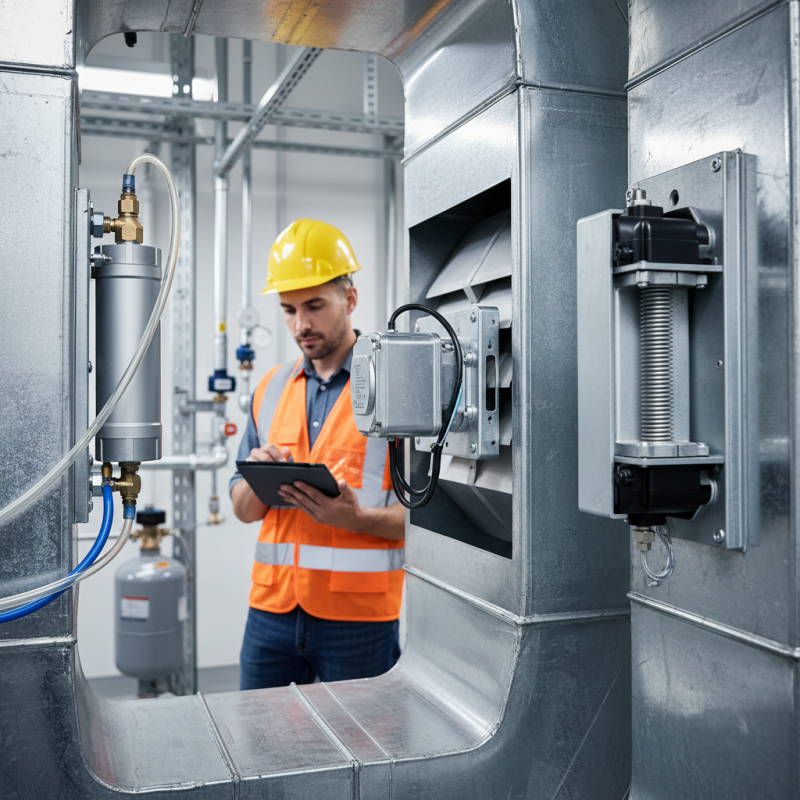
Damper actuators play a crucial role in HVAC systems. They control air flow and temperature in buildings. A well-functioning actuator can enhance comfort and reduce energy consumption. According to the U.S. Department of Energy, optimized HVAC systems can lead to energy savings of up to 30%. This highlights the importance of selecting the right damper actuator.
Most HVAC systems rely on various actuator types, including electric and pneumatic. Electric actuators are popular for their precision and efficiency. However, they can be less reliable in extreme temperatures. Pneumatic actuators, while robust, may require more maintenance. A study by the American Society of Heating, Refrigerating and Air-Conditioning Engineers (ASHRAE) emphasizes the need for careful evaluation of system requirements. It’s vital to consider factors such as actuator speed, torque, and compatibility with existing systems.
Choosing the wrong actuator can lead to various issues. Improper sizing or functionality may result in inadequate air flow. This can compromise system performance and comfort levels. Data from the Building Efficiency Initiative suggests that 40% of HVAC failures are linked to issues with actuators. Taking the time to assess your specific needs can prevent costly mistakes. Understanding the functionality of damper actuators is key to effective HVAC management.
When selecting a damper actuator, understanding the key specifications is essential. The actuator's torque is critical. It determines how much force the actuator exerts to open or close the damper. If the torque is too low, it may struggle to move the damper. If too high, it could damage the system. Look for the correct rating based on your damper's size and type.
Another important specification is the control method. Actuators can be controlled in different ways, such as analog, digital, or on/off systems. Your system's design will influence this choice. Sometimes, a simple on/off actuator suffices. In other cases, more complex control may be necessary. Consider the flexibility and responsiveness you need.
Don't forget about power supply requirements. Check whether the actuator needs AC or DC power. Watch out for compatibility issues with existing systems. It’s easy to overlook this detail, leading to operational failures. Additionally, assess the environmental conditions. Outdoor or harsh environments may require additional protection, impacting your selection. Make sure to reflect on these aspects carefully.
Choosing the right damper actuator is critical for HVAC efficiency. Different types serve various functions. Some actuators are pneumatic, ideal for precise control in clean environments. Others are electric, offering simplicity and ease of installation. The choice often relies on system requirements.
In industrial applications, hydraulic actuators may shine. They handle heavy loads and are robust but can be complex to install. On the other hand, spring-return actuators provide quick responses during power failures. This feature can prevent overheating in ventilation systems.
Cost also plays a role in selection. Budget constraints may limit options, but investing in reliable technology often pays off. It’s essential to weigh performance against upfront costs. An ideal actuator should balance efficiency with practicality. Sometimes, compromise is necessary, leading to a decision that may require future adjustments.
| Type of Damper Actuator | Operating Principle | Common Applications | Advantages | Disadvantages |
|---|---|---|---|---|
| Electric Actuators | Motor-driven | HVAC systems, industrial applications | Precision control, energy-efficiency | Higher initial cost |
| Pneumatic Actuators | Air pressure-driven | Power plants, water treatment | Fast operation, reliable | Dependent on air supply |
| Hydraulic Actuators | Fluid pressure-driven | Heavy machinery, automotive | High force generation | Complex maintenance |
| Spring-Return Actuators | Spring-assisted | Safety systems, emergency shutdowns | Failsafe operation | Limited range |
| Servo Actuators | Closed-loop control | Robotics, precise automation | High accuracy, efficient | Higher complexity |
Evaluating environmental conditions is crucial when selecting a damper actuator. Temperature variations can significantly affect actuator performance. Extreme heat can cause overheating, while extreme cold may result in sluggish movement. According to a report by the American Society of Heating, Refrigerating and Air-Conditioning Engineers (ASHRAE), actuators should operate efficiently across a specified temperature range. Often, this range is between -20°C to 70°C.
Humidity is another factor that impacts choice. High humidity can introduce moisture into components, leading to corrosion. Data from the National Institute of Standards and Technology highlights a 30% increase in actuator failure in humid environments. It suggests using materials resistant to moisture to prolong lifespan. Wind load is also significant. In outdoor installations, engineers must assess expected wind pressures. Failure to account for this can lead to performance issues.
Dust and particles in the air can obstruct moving parts too. Regular maintenance is necessary to avoid breakdowns caused by environmental contaminants. A study conducted by the International Society of Automation indicates that environments with high dust levels show a 40% increase in maintenance needs for actuators. Considering these factors is essential for making an informed decision.
This chart evaluates various environmental conditions that influence the selection of damper actuators, including temperature, humidity, and dust levels.
Installing and maintaining damper actuators is crucial for optimal HVAC system performance. Proper installation ensures efficient airflow management and energy savings. Start by reviewing the manufacturer's guidelines carefully. It's essential to align the actuator correctly with the damper. Misalignment can lead to operational failures and increased wear. Always check that the actuator’s travel range matches the damper's requirements. A mismatch here can lead to inadequate dampening.
Maintenance is equally important. Regular inspection can prevent unexpected breakdowns. Check for dirt and debris around the actuator and connections. Even minor blockages can impact performance. Lubrication is often needed, but over-lubricating can cause more harm than good. Identify any abnormal noises; they can signal wear. Document the maintenance schedule to help track issues over time. This simple step can lead to significant insights into your system's health, allowing for timely repairs and adjustments.