Blog

How to Choose the Best Restroom Stall Walls for Your Needs?

Choosing the right Restroom Stall Walls can greatly impact comfort and privacy. It's essential to understand various materials and designs available on the market. Different settings demand different styles. For high-traffic areas, durability is key. In contrast, a luxury setting might call for more aesthetic choices.

Additionally, factors like maintenance and cost cannot be overlooked. Some materials require frequent cleaning and repairs. Budget constraints can limit options, but that doesn’t mean compromising on quality. Consider the overall user experience when selecting. Make sure your choices meet the needs of all users.

Reflecting on past decisions helps avoid pitfalls. Perhaps you thought a cheaper option was best, only to regret the choice later. Balancing budget and quality is often tricky. Ultimately, the goal is to create a functional and pleasant restroom experience for everyone. Careful consideration of restroom stall walls will lead to improved satisfaction and usability.
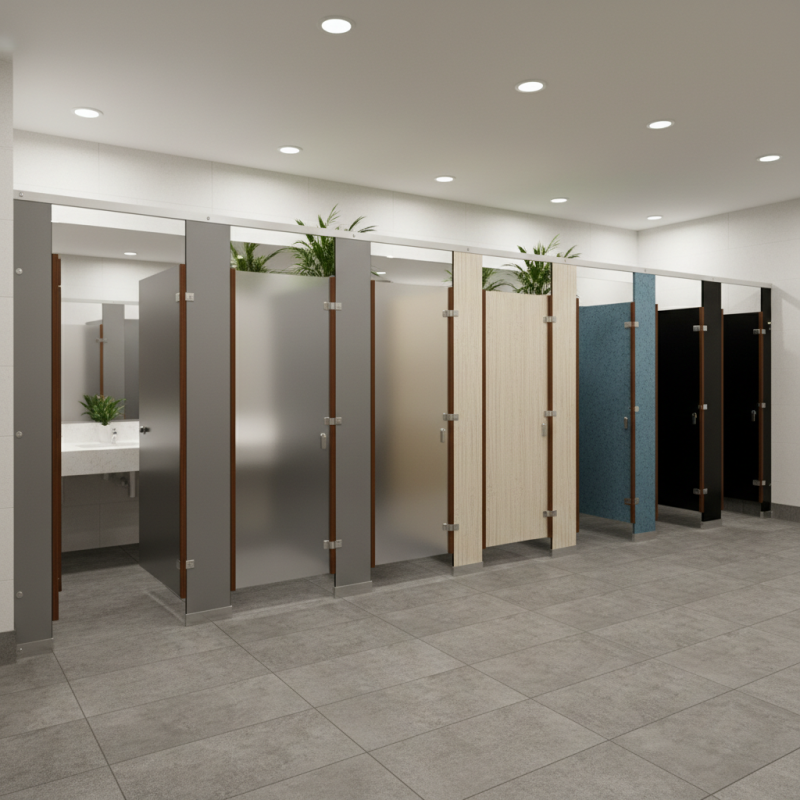
How to Choose the Best Restroom Stall Walls for Your Needs?

Factors to Consider When Selecting Restroom Stall Wall Materials

When selecting restroom stall wall materials, consider durability and maintenance. High-traffic areas need sturdy options. Metal and solid plastic are often chosen for their resilience. However, they might not always be the most aesthetically pleasing. Think about how often painting or refinishing will be necessary. Materials like laminate can require more upkeep yet provide a clean appearance.


Soundproofing is another key factor. Some materials absorb sound better than others. If privacy is important, consider thick, solid walls. Remember the balance between cost and quality. Sometimes, cheaper materials compromise on longevity. Pay attention to how the walls feel and look over time. Visual appeal matters, but functionality is crucial.


Lastly, environmental impact cannot be ignored. Eco-friendly options are becoming more available. Choosing sustainable materials may reflect positively on your establishment. Yet, these options might come with a higher initial cost. Reflect on how often you'll need to replace panels. A temporary fix may lead to frequent replacements, which increases waste. Ensure your choice aligns with both aesthetic desires and practical needs.

Comparing Different Materials for Durability and Maintenance

When choosing restroom stall walls, material is crucial for both durability and maintenance. Different materials offer various strengths and weaknesses. For instance, fiberglass-reinforced plastic (FRP) is often popular due to its resistance to moisture and easy cleaning. A study shows that FRP can last up to 20 years in humid environments, making it a wise choice. However, it may scratch more easily than harder surfaces.

Metal partitions, typically stainless steel, provide a robust option. They resist vandalism and are non-porous, which prevents the growth of mold. Reports indicate that these walls can withstand high traffic areas. Yet, they can show fingerprints and scratches, requiring regular maintenance to keep them looking fresh.

High-pressure laminate (HPL) stalls are known for their aesthetic appeal. They come in numerous designs and colors. However, they may not be as durable under extreme conditions. In high-use settings, they might require replacement every 5-10 years. The balance between aesthetics and resilience is often a challenge. Each option has its trade-offs, leading to decisions that reflect both cost and long-term maintenance. Ultimately, the right choice aligns with specific needs and usage conditions.

Aesthetic Considerations for Restroom Stall Wall Design

When designing restroom stall walls, aesthetics play a crucial role. The visual appeal of these walls significantly affects user perception. According to a study conducted by the American Institute of Architects, 74% of users prefer stalls with appealing designs. Material choice is essential in this regard. Options like laminate, solid plastic, and metal each offer unique visual properties. Laminate provides a wide range of colors and patterns. Solid plastic boasts durability with a sleek aesthetic. Metal can convey a modern, industrial vibe.

Beyond materials, color selection influences mood and comfort. A 2019 survey indicated that lighter colors often make spaces feel larger and more inviting. In contrast, darker tones may suggest intimacy or privacy. Lighting also impacts how these colors are perceived. Installations that utilize natural light create a welcoming atmosphere. However, achieving balance is vital. Too much emphasis on design might overlook functionality and beyond. For instance, a beautifully designed wall may not provide adequate privacy if dimensions aren't considered.

In many facilities, budget constraints limit aesthetic options. Interestingly, a report from the Facility Management Journal highlights that businesses often prioritize cost over aesthetics. This can lead to missed opportunities for creating memorable experiences. Striking a balance between beauty and practicality can be challenging yet rewarding. Decisions made in design reflect not only visual preferences but user experience. Creating restroom environments that are both functional and visually appealing demands thoughtful consideration of both aesthetics and practical needs.

Cost-Effectiveness: Budgeting for Your Restroom Stall Walls

When budgeting for restroom stall walls, cost-effectiveness is crucial. Many facilities often overlook the long-term expenses associated with their choices. According to industry reports, the total cost of ownership can rise significantly when low-cost materials are chosen. These walls might need replacement sooner due to wear and damage. Opting for durable materials might seem pricey at first. However, they can lead to savings by reducing maintenance and replacement frequency.

Material selection plays a big role in budget management. For instance, solid plastic walls can come with a higher upfront cost, but their longevity often outweighs the initial investment. The average lifespan of high-quality walls can be around 20 years, compared to only 7 years for cheaper options. A poor choice can lead to frequent repairs, costing facilities up to 30% more over time.

Many facilities make the mistake of prioritizing immediate cost over long-term value. Cheaper materials can look appealing, but they often fail to meet aesthetic and functional needs. This decision can detract from the overall user experience, leading to dissatisfaction. It's essential to reflect on both quality and cost when making your selection. Balancing these factors can prevent wasted resources in the future.

Cost-Effectiveness of Restroom Stall Walls

Environmental Impact and Sustainability in Material Choices

Choosing restroom stall walls goes beyond aesthetics. Environmental impact plays a key role in material selection. Sustainable materials reduce waste and energy consumption. Options like recycled plastic and bamboo show excellent durability. These choices are not only eco-friendly but also practical for busy facilities.

However, the first instinct may lean towards traditional materials. They often seem more reliable. Yet, those options may leave a larger carbon footprint. Investing in sustainable materials can initially feel daunting or costly. It often requires rethinking standard practices.

Consider sourcing local materials. They can minimize transportation emissions. Remember, every small choice contributes to a bigger environmental picture. Exploring various sustainable options can lead to innovative solutions. Reflect on the long-term benefits over short-term savings.

How to Choose the Best Restroom Stall Walls for Your Needs? - Environmental Impact and Sustainability in Material Choices

Material Type Environmental Impact Durability Maintenance Cost
Plastic Laminate Recyclable; Low emissions Moderate Easy to clean $$$
Metal Recyclable; Eco-friendly coatings available High Low maintenance $$$
Phenolic Resin Sustainable; Low waste production Very High Minimal $$$$
Plastic (HDPE) 100% recycled options available High Easy to wipe down $$
Wood (e.g., Bamboo) Sustainable; Carbon-neutral growth Moderate Requires regular upkeep $$$