Blog

How to Choose the Best Pyrolysis Plant for Your Needs?

Choosing the right pyrolysis plant is crucial for your business. The decision can significantly impact efficiency and profitability. A pyrolysis plant converts waste into valuable resources. With so many options available, it’s essential to understand your specific needs.

When evaluating a pyrolysis plant, consider its technology and capacity. Not all plants are created equal. Some may excel in processing certain materials while others may not. Researching the suppliers' reputation helps ensure reliability. Look for industry experts with a proven track record.

Cost is another factor to weigh. Initial investment is vital, but ongoing operational costs matter too. Balance affordability with quality. It's easy to be drawn to the lowest price. However, this could lead to more significant issues later. Mistakes made now can affect future operations. Take your time. Reflect on what truly aligns with your organization's goals.
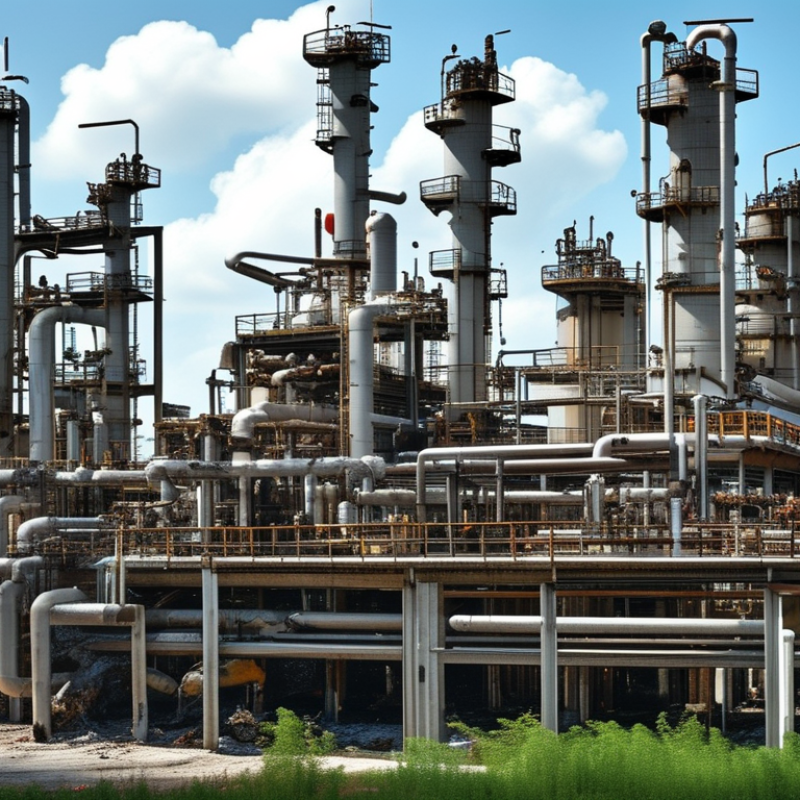
How to Choose the Best Pyrolysis Plant for Your Needs?

Understanding Pyrolysis Technology and Its Applications

Pyrolysis technology is a transformative process. It converts organic materials into useful products through thermal decomposition. This method can efficiently process waste plastics, tires, and biomass. The applications are extensive, ranging from fuel production to raw materials for other industries. Understanding these applications helps in selecting the right pyrolysis plant for your needs.

When considering a pyrolysis plant, think about the feedstock. The type of material you intend to process is critical. Different materials require specific conditions for optimal conversion. This may affect the design and capacity of the pyrolysis unit. It is vital to have a firm grasp of the properties of your feedstock.

Tips: Research different processing methods. Take note of energy efficiency and emissions. Not all plants are equally eco-friendly. Evaluate the output quality as well. Sometimes, trade-offs between efficiency and sustainability occur.

Also, consider the local regulations. Compliance is crucial to avoid future legal troubles. Understanding the regulations in your area will guide your choices. Engaging with professionals can enhance your understanding. They may provide insights into the pyrolysis technology landscape. Always seek expert advice to make informed decisions.

Assessing Your Waste Management Needs and Goals

Assessing your waste management needs is crucial when selecting a pyrolysis plant. Research shows that the global waste management market is projected to grow significantly, reaching $530 billion by 2025. Understanding your waste stream composition can guide your decision. Analyze the types and quantities of waste you produce regularly. This insight enables you to choose a plant that maximizes efficiency.

Tip: Consider the plant's processing capacity compared to your waste generation rate. A plant with higher capacity may be more efficient for future growth.

You should also evaluate your environmental goals. If reducing carbon footprint is a priority, select a pyrolysis plant designed with energy recovery capabilities. According to industry reports, plants that incorporate energy generation can significantly offset operational costs. However, balancing effectiveness and sustainability is often challenging.

Tip: Verify the plant's emissions and energy output against regulatory standards. It ensures compliance while achieving your environmental targets. Remember, investing in a pyrolysis plant is a long-term commitment.

Key Features to Consider When Selecting a Pyrolysis Plant

Choosing the right pyrolysis plant is crucial for your project. There are several key features to consider. Start with capacity. What volume of waste will you process? Larger capacities might seem better, but they require significant investment. Ensure the capacity aligns with your expected input.

Another important feature is technology. Look for advanced pyrolysis technologies that improve efficiency and yield. Older models might be cheaper, yet they can lead to higher operating costs. Efficiency impacts your bottom line, so examine the energy consumption details carefully.

Don't overlook safety features. Pyrolysis involves high temperatures. Reliable safety systems can prevent accidents. Additionally, consider the equipment's emissions management. Effective filtration systems can reduce harmful outputs. Reflect on all these aspects carefully. Each feature plays a role in the plant's overall performance and reliability. Making the right choice can significantly influence your success in waste management.

Evaluating Manufacturers: Reputation, Experience, and Support

When selecting a pyrolysis plant, evaluating manufacturers is crucial. A manufacturer with a solid reputation is a good indicator of reliability. Look for companies that have been in the industry for several years. Longevity often reflects stability and dependability.

Experience plays a significant role in the quality of the plant. Manufacturers with extensive experience tend to understand the intricacies of pyrolysis technology better. They can offer insights that newer companies might miss. Assess their expertise in the field by reviewing case studies and testimonials. This will help gauge their problem-solving capabilities.

Support is another vital factor. A manufacturer that provides comprehensive after-sales service can enhance your operational efficiency. Consider their availability for maintenance and troubleshooting. Effective support can minimize downtime and improve overall performance. Sometimes, even the best technology can fail without proper assistance. Choose a manufacturer who places emphasis on customer service and long-term relationships.

Cost Analysis: Budgeting for Purchase and Operational Expenses

When budgeting for a pyrolysis plant, understanding both purchase and operational costs is crucial. The initial investment often ranges between $200,000 and $600,000, depending on the plant's capacity and technology. A detailed market report from IBISWorld indicates that the pyrolysis industry is expected to grow by 8.5% annually. This presents an opportunity but also a challenge regarding upfront costs.

Operational expenses should not be underestimated. They typically include maintenance, labor, and utilities. A recent study highlighted that energy costs can account for up to 30% of total operational expenses. Ensuring efficient energy use can mitigate these costs. Regular maintenance is also essential; neglecting it can lead to increased downtime. The industry average indicates that a well-maintained plant can operate at 90% efficiency, while a neglected plant might drop below 70%.

Investing in a reactor that has lower operational costs paired with high throughput can be beneficial. However, careful research is necessary to ensure that these claims are accurate. An overly optimistic projection can result in financial strain and operational failures. Perform thorough analysis and seek expert opinions before committing.