Blog

How to Choose the Best Forklift Collision Detection System?

When selecting a Forklift Collision Detection System, understanding the nuances is crucial. Mark Johnson, an industry expert, states, “Investing in the right detection system can prevent serious accidents.” His perspective highlights the importance of safety in warehouse operations.

The vast options available can make decision-making overwhelming. Different systems offer various features, from sensor technology to alert types. Some systems might excel in one area but lack in others. Organizations must evaluate their specific needs carefully.

Moreover, not all systems guarantee foolproof protection. Some users may face challenges integrating new technology with existing setups. Acknowledging these imperfections can lead to more informed choices. We must weigh all factors to find an effective Forklift Collision Detection System that enhances safety while fitting seamlessly into operations.
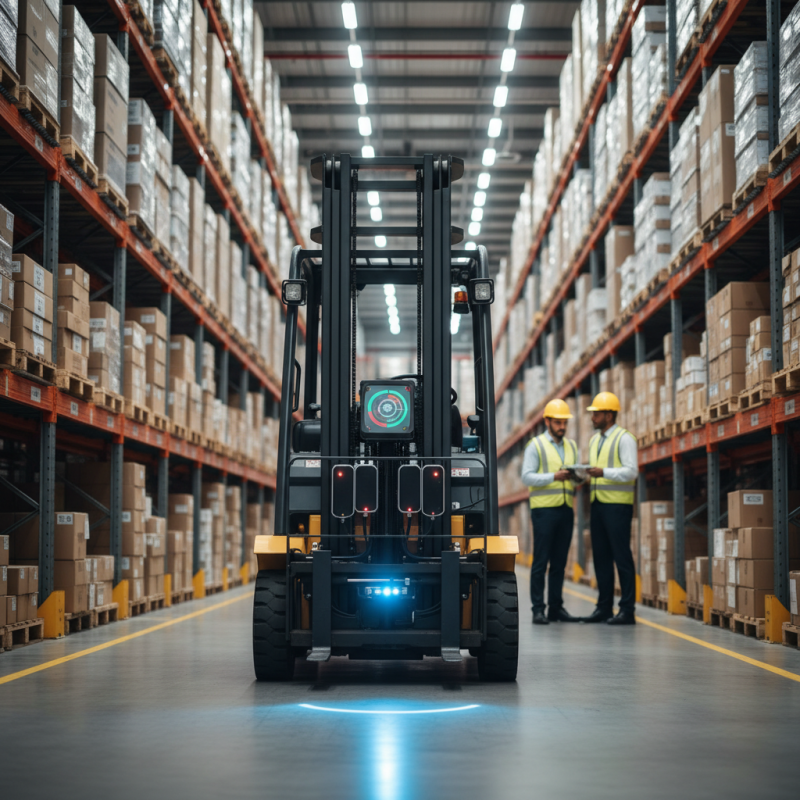
How to Choose the Best Forklift Collision Detection System?

Understanding the Importance of Forklift Collision Detection Systems

Forklift collision detection systems are crucial in enhancing safety within warehouses and industrial environments. These systems help prevent accidents between forklifts and pedestrians or obstacles. They utilize sensors and cameras to detect obstacles, enabling forklifts to adjust their paths. This technology not only protects workers but also reduces damage to inventory and equipment.

Understanding the importance of these systems goes beyond just compliance with safety standards. Regular accidents can lead to lost time and increased liability costs. A collision detection system can significantly decrease these risks. However, choosing the right system can be challenging. Many features and technologies are available, which can be overwhelming. Evaluation of specific workplace needs is essential.

Furthermore, maintenance of these systems is often overlooked. Regular checks ensure they function correctly. Sometimes, complacency sets in, leading to underuse of the technology. Employees must be trained properly. Without training, the effectiveness of these systems can diminish. Creating a culture of safety is paramount.

Key Features to Look for in Collision Detection Technology

When choosing a forklift collision detection system, key features are essential. The technology should provide real-time alerts. These alerts help operators respond quickly to potential hazards. An effective system uses sensors to detect nearby objects. This includes other vehicles, pedestrians, and obstacles. Such detection minimizes accidents and improves workplace safety.

Consider the system's integration capabilities with existing forklifts. Some systems can be retrofitted easily, while others require complete replacements. Compatibility can be a significant factor. Additionally, the system's user interface matters. An intuitive interface helps operators understand alerts swiftly. Complexity can lead to mistakes in high-pressure situations.

Battery life is another critical feature. Frequent charging can interrupt operations. Long-lasting batteries reduce downtime, ensuring the system remains effective. Ultimately, consider the training needed for staff. A sophisticated system might require more training, which can be a challenge. Striking the right balance is key. You want technology that enhances safety without being overly complicated for operators.

Comparing Different Types of Forklift Collision Detection Systems

When choosing a forklift collision detection system, it’s essential to understand the different types available. Most systems fall into two main categories: camera-based and sensor-based. This is important for safety and operational efficiency.

Camera systems offer real-time video feedback. They help operators detect obstacles visually. However, issues can arise in low-light conditions. They might miss smaller objects on the ground.

Sensor-based systems utilize ultrasonic or LiDAR technology. These sensors detect nearby obstacles even in challenging environments. They can alert the operator immediately. Yet, they may struggle with certain surfaces, such as reflective materials. This limitation is crucial to consider in warehouse settings.

Tips: For improved safety, choose a system that fits your specific operational environment. Evaluate each type's performance during actual working conditions. After implementation, continuously assess the system’s effectiveness and address any shortcomings. A well-chosen system can greatly reduce accidents and enhance warehouse efficiency.

Evaluating Manufacturer Reputation and Support Services

When selecting a forklift collision detection system, evaluating the manufacturer’s reputation is crucial. A strong reputation often indicates reliability and customer satisfaction. According to industry data, companies with positive customer feedback see up to 30% fewer accidents. Engaging with users who have experience with these systems can provide valuable insights. Most users appreciate responsiveness, particularly during installation and support.

Tips: Research online reviews and case studies. Look for common themes in feedback. You might find that some systems have better training resources than others.

Support services play a vital role in the long-term effectiveness of the system. Data shows that 40% of businesses experience issues due to inadequate training on new technology. A manufacturer that offers comprehensive support can prevent many of these problems. Ask potential vendors about their support policies and training programs.

Tips: Ensure training is included with your purchase. Regular follow-ups can help in team adaptation. Check if the manufacturers provide easy access to technical teams.

How to Choose the Best Forklift Collision Detection System?

Criteria Details
Manufacturer Reputation Look for brands with a strong history in safety technology and positive customer reviews.
Product Features Evaluate the technology used such as sensors and cameras for detection accuracy and reliability.
Support Services Assess the available customer support, technical assistance, and warranty options provided by the manufacturer.
Installations and Training Check whether the manufacturer offers installation services and training for user operation.
Cost vs. Value Consider the price in relation to features and long-term benefits of the system in terms of safety and efficiency.
Compatibility Ensure the system is compatible with existing forklifts and warehouse infrastructure.

Assessing Compliance with Safety Standards and Regulations

When selecting a forklift collision detection system, safety standards play a crucial role. Compliance with established guidelines ensures that your facility operates within safe limits. Different jurisdictions may have unique safety regulations. Familiarity with these rules is essential for any decision-maker. Insufficient knowledge of local safety laws can lead to costly mistakes.

The right system should undergo rigorous testing to meet safety criteria. It's vital to ensure that any collision detection features are reliable. A system that frequently fails can lead to accidents. This also creates significant liability risks. Understanding the compliance process is often overlooked but can save time and resources. Non-compliance may result in legal repercussions that affect business operations.

There's a need for regular reviews of safety systems as regulations evolve. What was sufficient last year may not be adequate now. Engage with experts on safety compliance to ensure your equipment meets current standards. The process may be challenging, but it's essential to prioritize the safety of your workforce. A proactive approach in evaluating these systems fosters a safer work environment.

Forklift Collision Detection System Compliance Assessment