Choosing the right 700CK Track Drive is crucial for enhancing operational efficiency in various industries. The 700CK Track Drive stands out for its reliability and performance, especially in challenging terrains. According to the International Heavy Equipment Survey, nearly 65% of operators prioritize machine adaptability when selecting track drives. This drives the need for informed decision-making.
The 700CK Track Drive offers advanced technology that contributes to its durability. However, many buyers overlook the importance of assessing their specific requirements. Studies show that 40% of equipment failures come from mismatched specifications. Therefore, understanding your project needs is essential for maximizing investment potential.
Investing in a track drive is significant. It's vital to consider not only upfront costs but also long-term maintenance and operational efficiency. The right choice can lead to reduced downtime and higher productivity levels. Many users experience dissatisfaction due to inadequate prior research. Take time to reflect on your choices, ensuring that the 700CK Track Drive aligns with your operational goals.
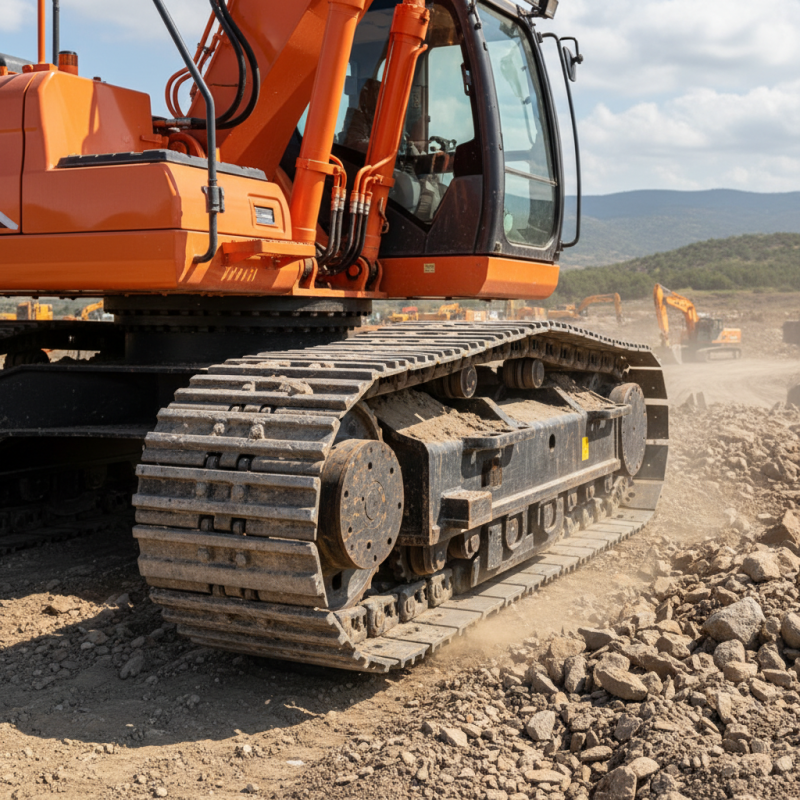
When selecting the right 700CK track drive, understanding your terrain type is crucial. Different terrains present unique challenges. Rocky, uneven ground may require a more robust track design. Soft, muddy areas could benefit from wider tracks for better stability. Knowing your environment helps you make an informed choice.
Assessing soil types is essential. Hard soil can withstand heavy machinery; soft soil often needs lighter options. Consider elevation changes too. Steep inclines necessitate a track drive with strong grip. Navigation through forests and brush requires maneuverability. Be mindful of potential obstacles. Sometimes, a more agile model may outperform heavier counterparts.
Furthermore, weather conditions play a role in your decision. Wet climates may increase the risk of slippage. A track drive designed for wet terrain becomes necessary. Think about your operational needs over different seasons. Flexibility in your choice can impact efficiency. Reflect on past experiences or unforeseen challenges. Each choice shapes your performance and productivity.
This chart illustrates the suitability of the 700CK Track Drive across various terrain types. The scores represent how well the track drive performs in each type of terrain, aiding users in making informed decisions.
When selecting a 700CK track drive, understanding its power specifications is crucial for performance. This machine offers a robust power output of up to 80 horsepower. Such power is essential for heavy-duty tasks. Users should consider these metrics when weighing their operational needs. A higher horsepower may not always be necessary for lighter applications, but it can significantly boost efficiency in more demanding environments.
Torque is another critical factor. The 700CK can boast a peak torque of approximately 250 Nm. This enables effective towing capabilities and enhanced productivity. Many professionals have noted that choosing the right torque specifications can lead to improved handling and reduced wear. It's essential to match these specifications with the terrain and load types commonly encountered.
Power variations can affect fuel efficiency. Research indicates that machines optimized for their specific usage scenarios can save up to 20% more fuel. Some operators mistakenly assume they need maximum power at all times. Often, adjusting the engine performance settings can lead to better fuel economy without sacrificing productivity. Thoughtful adjustments based on real-time workload assessments can yield significant benefits.
When evaluating load capacity requirements for the 700CK track drive, two aspects come into play: weight and application. Understanding these factors ensures efficiency and safety in operation. Data from industry reports highlight the importance of selecting equipment that can handle expected loads. The optimal load capacity of a track drive varies based on terrain and machine performance. Although typical guidelines suggest a buffer of at least 20% above the maximum load, actual conditions can demand even higher thresholds.
Knowing the specific requirements of your project is crucial. For instance, heavy-duty operations may necessitate drives that can manage loads exceeding 5 tons. When assessing site conditions, consider factors such as incline angles and soil types. These elements can stress the equipment beyond standard expectations. Occasionally, operators might underestimate these factors, leading to premature wear and operational failures.
It's vital to gather data on your previous projects and experiences. If a project consistently pushes the limits of load capacity, it’s time for a reassessment. Relying solely on manufacturer specifications can be misleading. Integrating real-world performance data strengthens decision-making. Pay attention to feedback from operators on the field. They often provide insights that reports may overlook.
| Load Capacity (lbs) | Recommended Application | Motor Power (HP) | Max Speed (mph) | Weight (lbs) |
|---|---|---|---|---|
| 3,500 | Small Excavation | 25 | 4 | 600 |
| 5,500 | Medium Construction | 40 | 5 | 800 |
| 8,000 | Heavy Lifting | 60 | 6 | 950 |
| 10,000 | Industrial Level Tasks | 80 | 7 | 1200 |
When considering the 700CK track drive, maintenance and durability features are crucial. Understanding the components that affect longevity is essential. For instance, check the materials used in the drive. High-quality, tough materials often mean better resistance to wear and tear over time.
Regular maintenance schedules are vital for optimal performance. Routine inspections can catch minor issues before they escalate. Look for signs of wear, such as unusual noises or vibrations. Neglecting these can lead to significant downtime and costly repairs.
Choosing a track drive isn't just about immediate performance. It's about how it will hold up under various conditions. Reflect on your typical working environments. Harsh terrains can be unforgiving, and having durable components can make a huge difference. Think about these factors carefully before making your decision.
Selecting the right accessories and attachments for your 700CK Track Drive can significantly enhance its performance and versatility. Understand your specific requirements before making a selection. For instance, if your work involves heavy lifting, opt for a sturdy bucket attachment. According to industry data, selecting the right attachments can increase efficiency by up to 30%.
Pay attention to compatibility when choosing accessories. Some attachments might not fit the 700CK Track Drive seamlessly. Verify the model specifications to avoid costly mistakes. A study showed that improper attachment choices lead to a 25% increase in maintenance costs.
Tips for selection include assessing your workload. Those engaging in varied tasks might benefit from universal quick couplers. These allow for easy swapping of attachments. Therefore, flexibility is key to maximizing your machine’s utility. Another consideration is weight distribution. Ensure that the added accessories do not compromise machine stability. A balanced setup can improve safety and effectiveness.