Blog

Why Choose Aluminum Bars at the 139th Canton Fair?

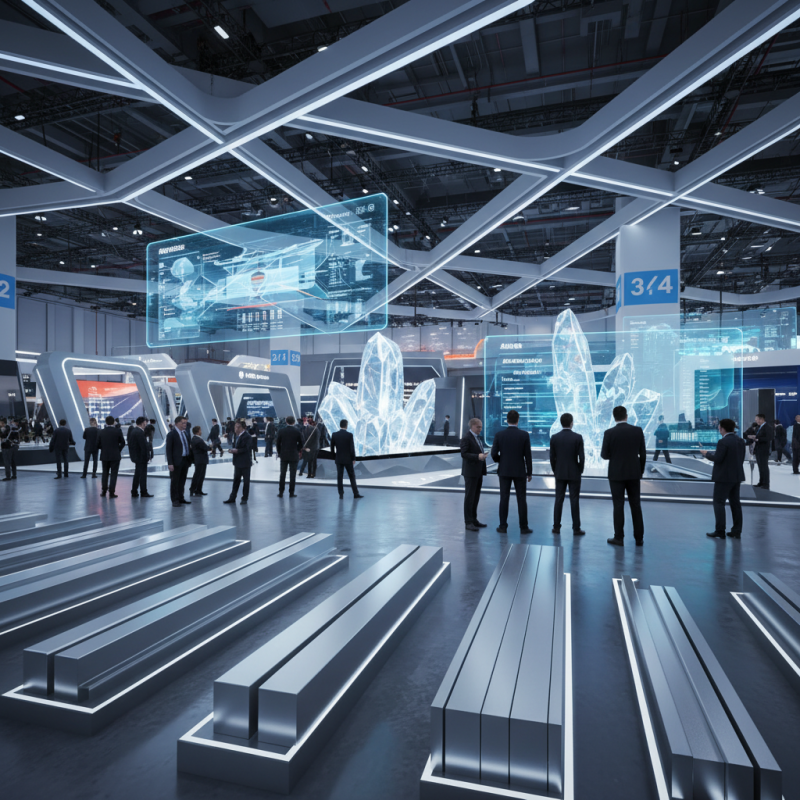
The 139th Canton Fair offers a unique platform for showcasing products like Aluminum Bars. This fair, scheduled for April 2026, emphasizes advanced manufacturing and new materials. Aluminum Bars, known for their lightweight and durability, play a crucial role in various applications.

The integration of AI tools will enhance the purchasing experience. Buyers can easily locate suppliers with specific qualifications, like ISO or CE certifications. This means attendees can navigate the expansive 1.55 million square meters with remarkable efficiency, making it easier to discover quality Aluminum Bars.

While the fair boasts impressive features, it is not without its challenges. Some buyers may struggle to adapt to new technology. Others might overlook the importance of supplier verification, potentially impacting their purchases. Reflecting on these nuances is essential. Embracing the full potential of the Canton Fair requires careful consideration.
Why Choose Aluminum Bars at the 139th Canton Fair?

Benefits of Aluminum Bars for Industry Applications

Aluminum bars are becoming increasingly essential in various industries. They are favored for their lightweight nature and high strength. This makes them an ideal choice for applications in construction and manufacturing. The 139th Canton Fair will showcase a diverse range of aluminum bars, attracting industry professionals from around the globe.

One notable advantage is corrosion resistance. Aluminum bars resist rust, which prolongs their life in harsh environments. In automotive industries, they contribute to fuel efficiency due to their reduced weight. Moreover, aluminum is recyclable. This sustainability aspect aligns with modern industrial needs. However, sourcing quality aluminum can sometimes be challenging. Not all aluminum bars meet industry standards.

In terms of versatility, aluminum bars are used in various forms, such as structural components, brackets, and frames. Industries can customize designs to meet specific requirements. This adaptability encourages innovation but also requires careful evaluation. The right technique for fabrication is crucial. Flaws in production can lead to substantial costs. It's vital to balance creativity and quality control during use.

Cost-Effectiveness of Choosing Aluminum Bars

Aluminum bars are gaining popularity at the 139th Canton Fair, particularly for their cost-effectiveness. According to industry reports, aluminum offers a favorable strength-to-weight ratio. This means manufacturers can achieve the same structural integrity with less material. Reports suggest using aluminum reduces costs by around 30% compared to steel in similar applications.

In addition, aluminum is often easy to process. Industries can shape it with various techniques. This flexibility provides manufacturers with more options in design and production. A recent survey indicated that 70% of manufacturers favor aluminum for its adaptability and minimal waste generation.

However, there are considerations. While aluminum bars are cost-effective, they may require protective coatings for durability. This extra step can add to initial costs. Despite this, the long-term savings in maintenance can offset the initial investment. It's essential to weigh these factors carefully to ensure optimal decision-making.

Cost-Effectiveness of Choosing Aluminum Bars

Durability and Strength of Aluminum Bars

Aluminum bars are increasingly favored in various sectors due to their remarkable durability and strength. According to a report by the Aluminum Association, aluminum alloys have a tensile strength ranging from 70 to 700 MPa. This wide range makes them suitable for both light and heavy applications.

In construction and manufacturing, aluminum bars are used for their light weight and corrosion resistance. More than 60% of industries depend on aluminum for structural applications. The low density allows for easier handling. However, some may underestimate the alloyed versions, which can offer higher strength at a similar weight.

While aluminum bars are resilient, they are still prone to scratching and denting. This might affect their appearance over time, a concern for aesthetic applications. Continuous innovation in aluminum technology is addressing these challenges, but the journey is far from perfect. The trade-off between weight and durability is something manufacturers grapple with daily.

Environmental Impact of Aluminum Production

Aluminum production is often viewed through an environmental lens. Many studies reveal its significant ecological footprint. The process of extracting aluminum from bauxite involves energy-intensive methods. Reports indicate that aluminum production contributes to around 1% of global greenhouse gas emissions. The extraction and processing phases consume vast amounts of energy, primarily sourced from fossil fuels.

At the same time, aluminum recycling offers a bright spot. Recycled aluminum requires 95% less energy than new production. In fact, the recycling process generates only 5% of the emissions compared to primary production. This makes aluminum one of the most recycled materials worldwide. Countries like Germany report recycling rates above 90% for aluminum products.

However, the recycling infrastructure is not uniform globally. Some regions still rely heavily on primary production. This disparity highlights a crucial need for greater awareness and investment in recycling technologies. The shift towards recycling and sustainable practices is vital. It calls for an industry-wide re-evaluation of methods. Striking a balance between production and environmental stewardship remains a pressing challenge.

Why Choose Aluminum Bars at the 139th Canton Fair? - Environmental Impact of Aluminum Production

Parameter Aluminum Bars Conventional Materials
Recyclability 100% Limited
Energy Consumption (per ton) 9-12 GJ 25-35 GJ
CO2 Emissions (per ton) 1.5-2.5 tons 4-6 tons
Water Usage (per ton) 20-25 m³ 50-70 m³
Environmental Impact Rating Low High

Innovation and Trends in Aluminum Bar Manufacturing

The aluminum bar industry is evolving rapidly. At the 139th Canton Fair, attendees can see these changes up close. New manufacturing techniques are emerging. These methods enhance efficiency and reduce waste. This shift reflects a growing trend toward sustainability.

Innovations include advanced alloys and processing techniques. Manufacturers are experimenting with lighter materials. The result? Improved strength-to-weight ratios. These advancements are critical for various applications. Construction, automotive, and aerospace industries are particularly interested.

However, the industry faces challenges. Not all manufacturers are adopting these innovations. There are still traditional practices that linger. Some companies struggle to transition due to costs or lack of knowledge. This creates an uneven playing field. The shift toward modern approaches must be inclusive and thoughtful. Learning from successes and failures is essential.

Article Source: